
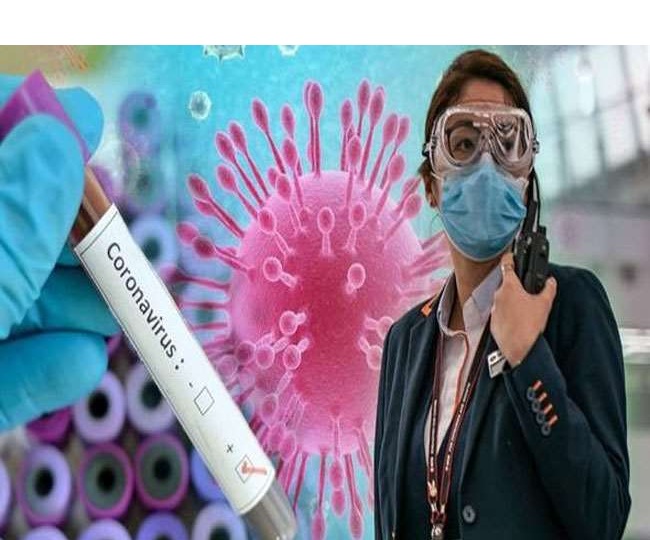
New Delhi | Jagran News Desk: What comes as a piece of positive news for people across the world, researchers have found that an anti-parasitic drug that is already available globally can kill COVID-19 grown cell cultures within 48 hours. Published in journal Antiviral Research, the study suggests that the drug 'Ivermectin' stopped the virus SARS-Cov-2 from growing in cell culture within 48 hours. The latest advancement may lead to the development and trial of a new clinical therapy for the pandemic.
“We found that even a single dose could essentially remove all viral RNA by 48 hours and that even at 24 hours there was a really significant reduction in it,” PTI quoted study co-author Kylie Wagstaff, Monash University in Australia as saying.
The scientists added that Ivermectin is an approved anti-parasitic drug that has proved to be effective in vitro against a broad range of viruses including Dengue, HIV, Influenza and Zika Virus.
But, Wagstaff has cautioned that tests conducted in the study were in vitro and that trials are needed to be carried out on patients.
“Ivermectin is very widely used and seen as a safe drug. We need to figure out now whether the dosage you can use it at in humans will be effective - that’s the next step,” Wagstaff told PTI.
“In times when we’re having a global pandemic and there isn’t an approved treatment, if we had a compound that was already available around the world then that might help people sooner,” she added.
Though the mechanism of Ivermectin on the virus is yet to be known, scientists say that it works to stop the virus ‘dampening down’ the host cells’ ability to clear it.
“As the virologist who was part of the team who were first to isolate and share SARS-COV2 outside of China in January 2020, I am excited about the prospect of Ivermectin being used as a potential drug against COVID-19,” PTI quoted Leon Caly, study co-author from the Royal Melbourne Hospital in Australia as saying.
Recommended For You
The scientists further warned that use of Ivermectin to fight COVID-19 would depend on results of future pre-clinical testing and ultimately clinical trials.
(with PTI inputs)