
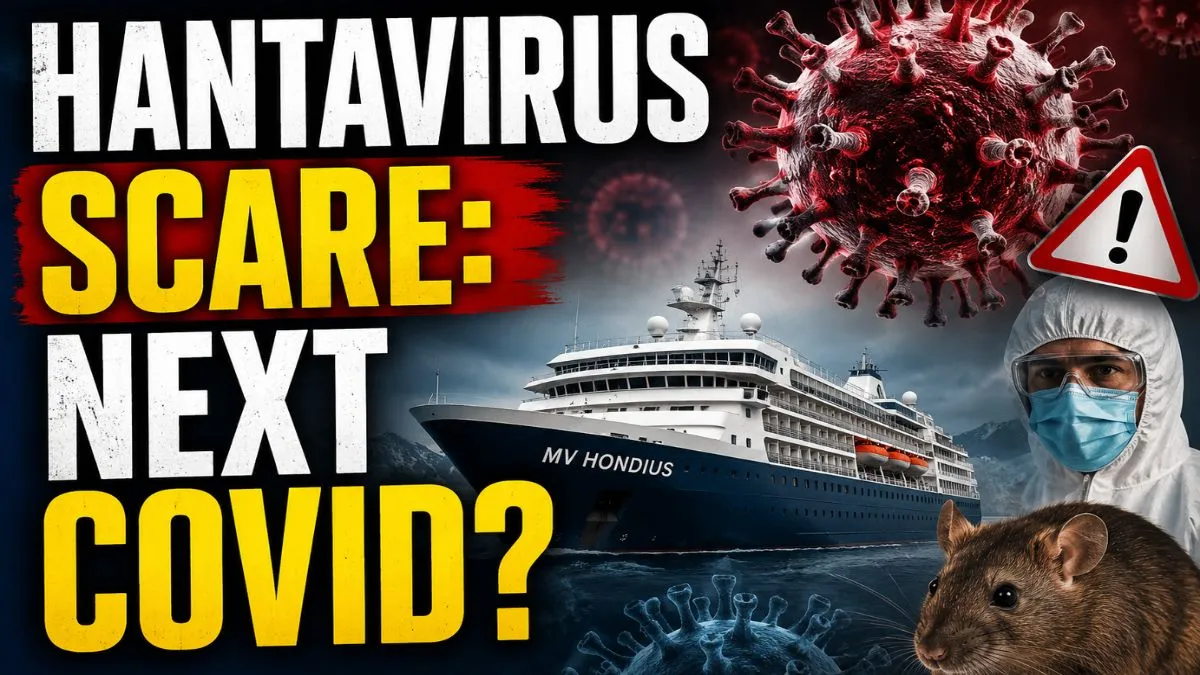
- WHO states hantavirus outbreak not next Covid-19 pandemic.
- Andes strain can spread person-to-person, unlike typical hantavirus.
- Global risk from hantavirus outbreak currently considered low.
The head of the World Health Organisation (WHO) has said that a deadly hantavirus outbreak on a cruise ship is not similar to the early days of the Covid-19 pandemic, despite growing global concern. The cruise ship MV Hondius has been under international attention since Saturday. The WHO was informed that three passengers had died, with initial reports suggesting a hantavirus outbreak on board.
What is Hantavirus?
Hantavirus is a rare disease that usually spreads through contact with infected rodents. People can get it from rodent urine, droppings, or saliva. However, officials confirmed that the cases on the ship involve the Andes strain, which can spread from person to person.
The virus usually spreads when people inhale contaminated residue of rodent droppings. Hantaviruses have been around for centuries and are thought to exist around the world.
How hantavirus spreads
Hantavirus is mainly spread by contact with rodents or their urine, saliva or droppings, particularly when the material is disturbed and becomes airborne, posing a risk of inhalation.
People are typically exposed to hantavirus around their homes, cabins or sheds, especially when cleaning enclosed spaces with little ventilation or exploring areas with mouse droppings.
Symptoms of hantavirus
An infection can rapidly progress and become life-threatening. Experts say it can start with symptoms including fever, chills, muscle aches and maybe a headache, much like the flu.
Symptoms of hantavirus pulmonary syndrome usually show between one and eight weeks after contact with an infected rodent. As the infection progresses, patients might experience tightness in the chest, as the lungs fill with fluid.
ALSO READ: Is Hantavirus Deadly? Understanding Rare Disease Behind Recent Vessel Outbreak
The other syndrome caused by hantavirus, known as hemorrhagic fever with renal syndrome, which can cause bleeding, high fever, and kidney failure, usually develops within a week or two after exposure.
Death rate of hantavirus
Death rates vary by which hantavirus causes the illness. Hantavirus pulmonary syndrome is fatal in about 35 per cent of people infected, while the death rate for hemorrhagic fever with renal syndrome varies from 1 per cent to 15 of patients, according to the CDC.
Recommended For You
Hantavirus infections are relatively uncommon globally. The WHO reported that in 2025, eight countries within the Americas had documented 229 cases and 59 deaths. Argentina’s health ministry said hantavirus led to 28 deaths nationwide last year. The ministry on Tuesday reported 101 hantavirus infections since June 2025, roughly double the caseload recorded over the same period the previous year.
Could hantavirus turn into next Covid-19 pandemic?
Speaking at WHO headquarters in Geneva, Director-General Tedros Adhanom Ghebreyesus said the situation is being closely monitored but is not a major global threat at this stage. He stressed that “the risk to the rest of the world is low.” When asked if the situation could turn into something like the Covid-19 crisis, Tedros clearly said, “No, I don’t think so.”
“This is not the next COVID, but it is a serious infectious disease,” said Maria Van Kerkhove, director of epidemic and pandemic preparedness at the WHO. “Most people will never be exposed to this.”
(With inputs from agencies)