
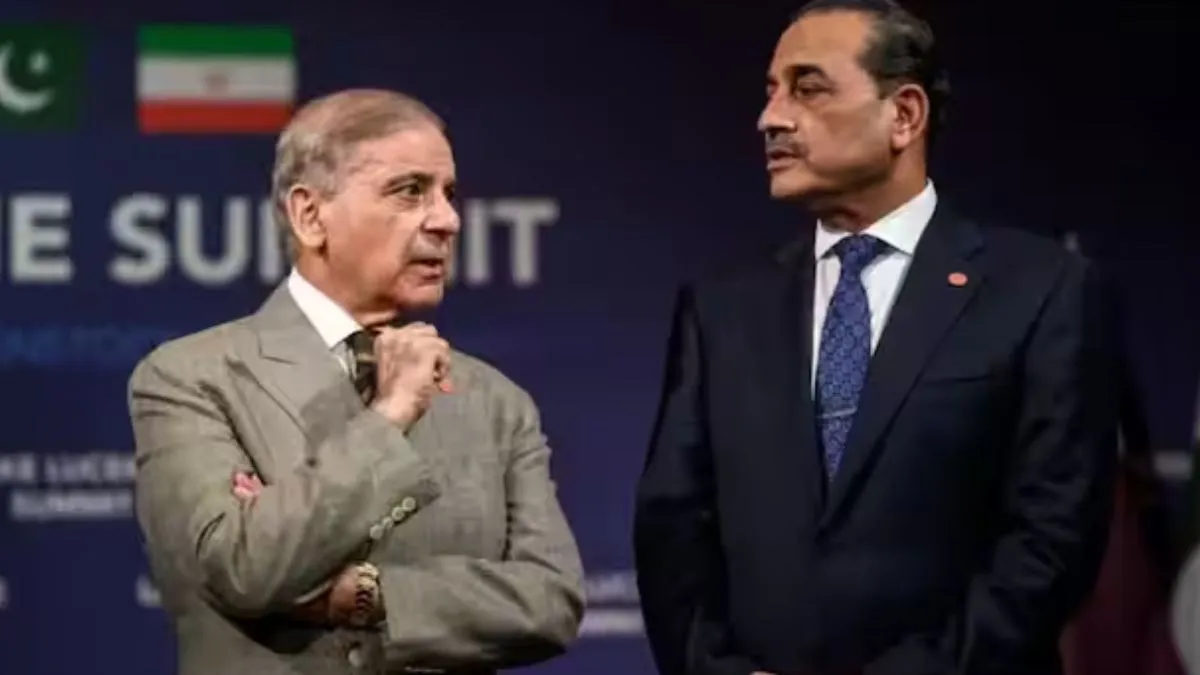
- Pakistan signs Badr Agreement with Turkiye, Qatar and Indonesia.
- Mecca Defence agreement was signed in August.
- Shehbaz Sharif-led government faces criticism from opposition leaders.
Badr Agreement: Pakistan on Thursday signed another major defence agreement with three nations, including Turkiye, Qatar and Indonesia. The agreement comes as Pakistan is seeking to expand its defence partnerships with countries across the Middle East and Southeast Asia. While Islamabad touts these deals as a way to strengthen military cooperation and access new technology, concerns remain over their practical benefits amid the ongoing economic pressure that the country continues to face.
Back To Back Defence Deals
Badr defence industry agreement, signed in Doha, is the latest defence partnership signed by Pakistan. The agreement signed by the four nations focuses on joint defence manufacturing, research and development, technology sharing, military training and stronger supply chains. It is named after the Arabic word, which means “full moon”. The Badr agreement is majorly aimed at building industrial and technical capabilities.
توقيع مذكرة التفاهم المشتركة لمشروع "بدر" لتعزيز التعاون في الصناعات الدفاعية https://t.co/EA91X9YgUJ
— وزارة الدفاع - دولة قطر (@MOD_Qatar) October 21, 2026
The agreement follows the trilateral defence pact, known as the Mecca Joint Defence Agreement., signed by Pakistan, Turkiye and Saudi Arabia in August. The deal commits members to treat an armed attack against one as an attack against all. The signing of these deals in the span of a few months reflects Pakistan's effort to deepen military and strategic ties across regions.
Recommended For You
While naturally these agreements offer Islamabad an opportunity to boost its international standing, expand defence production and access to foreign technologies, its domestic story has a different side to tell. Firstly, the signing of agreements does not automatically translate Pakistan into greater military strength. Secondly, questions about accountability at home are growing even louder.
Questions Over Accountability
According to local media reports, Islamabad’s growing defence expansion has also drawn criticism over transparency and civilian oversight concerns. It is reported that operational details of major defence arrangements have not been fully shared with Parliament, with the Information Ministry citing “confidentiality”.
Earlier, when Pakistan Foreign Minister Ishaq Dar was questioned by reporters about whether parliamentary approval was required for actions under the Mecca Defence pact, the minister did not respond at all. Moreover, the Tehreek-e-Tahaffuz-e-Ain Pakistan (TTAP), an opposition alliance that includes senior parliamentary opposition leaders had demanded consultation with Parliament and opposition parties on defence agreements.
Critics have also questioned whether the pact has been signed to strengthen the image of Army Chief Field Marshal Asim Munir. Leaders like JUI-F chief Maulana Fazlur Rehman and PTI party leaders have often launched sharp attacks on Munir over his defence policy decisions.
You May Also Like To Watch: