
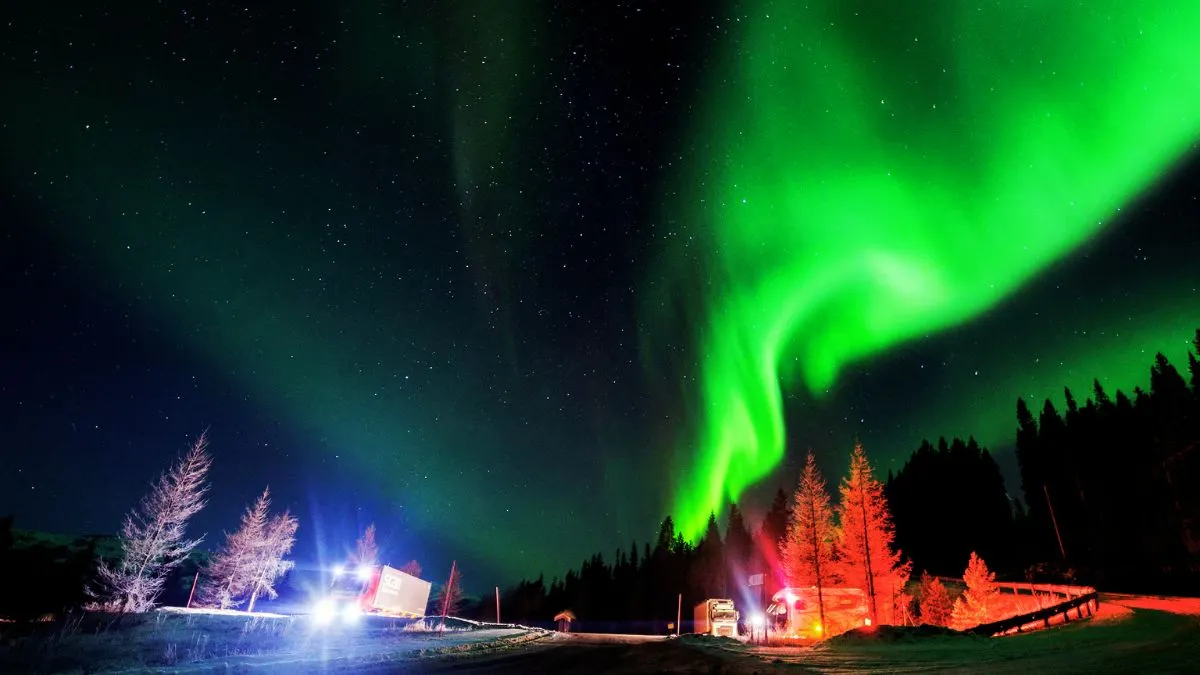
- A solar storm is a sudden explosion of particles, energy, magnetic fields.
- Solar storms typically begin when these twisted magnetic fields on the Sun get contorted.
- No direct physical harm comes to humans on the ground.
Solar Storm Today: A massive explosion on the Sun has sent a fast-moving wave of energy and solar particles rushing straight toward Earth, and it is expected to hit on Monday, June 8. As the breathtaking phenomena is scheduled to happen today, space agencies have issued a "G3 Strong Storm Watch."
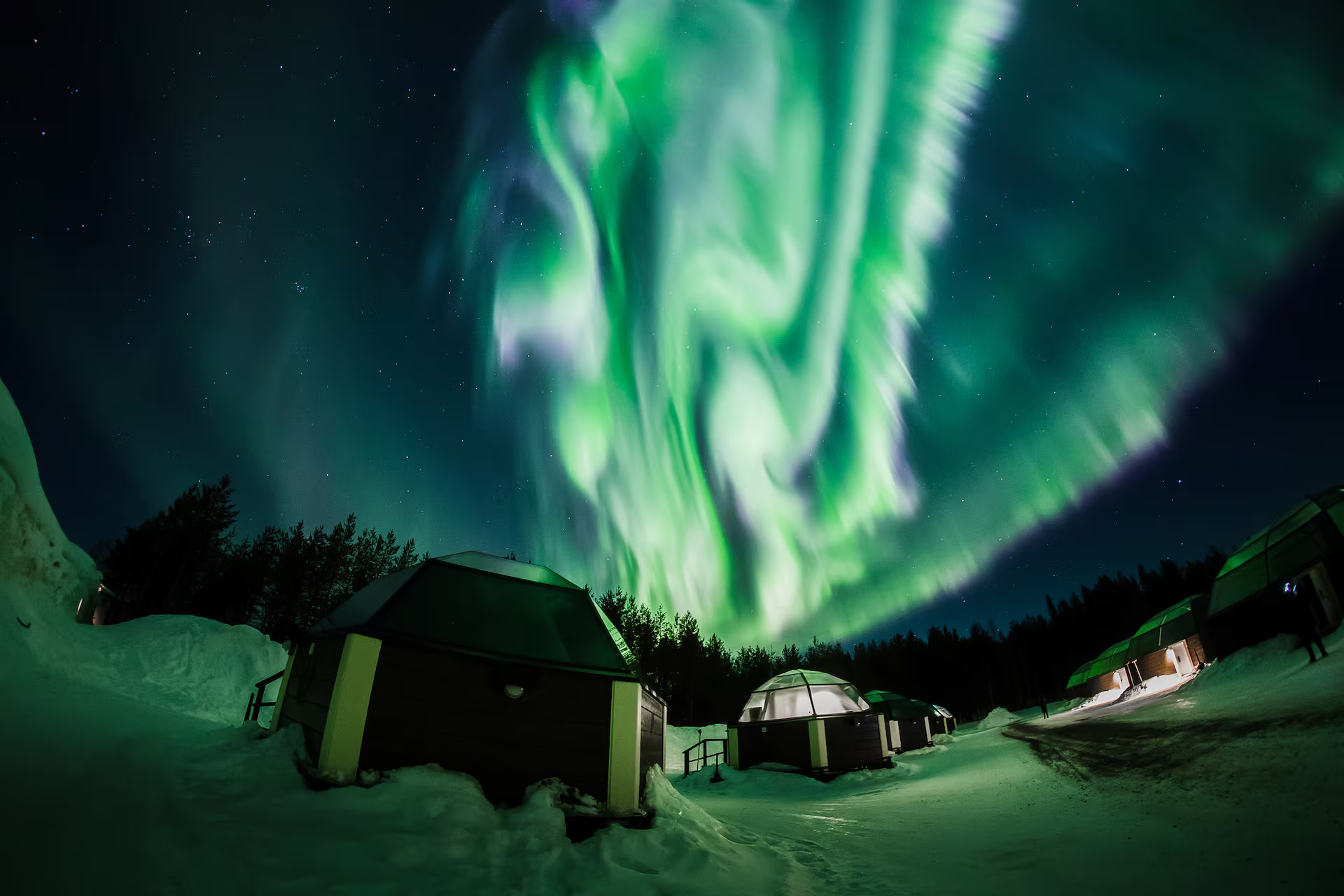
(The Aurora Borealis (Northern Lights) is seen in the sky over Arctic Snowhotel in Rovaniemi, Finland February 28, 2019. | CREDIT: REUTERS)
What is solar storm?
According to space agency, National Aeronautics and Space Administration (NASA), a solar storm is a sudden explosion of particles, energy, magnetic fields, and material blasted into the solar system by the Sun.
How solar storms impact Earth?
When a solar storm is aimed directly at our planet, it collides with Earth's magnetic field, triggering a major disruption known as a geomagnetic storm. While these events sound intimidating, their impact is mostly technological rather than physical.
They can cause widespread radio blackouts, disrupt satellite navigation (GPS), and induce electrical currents that knock out power grids.
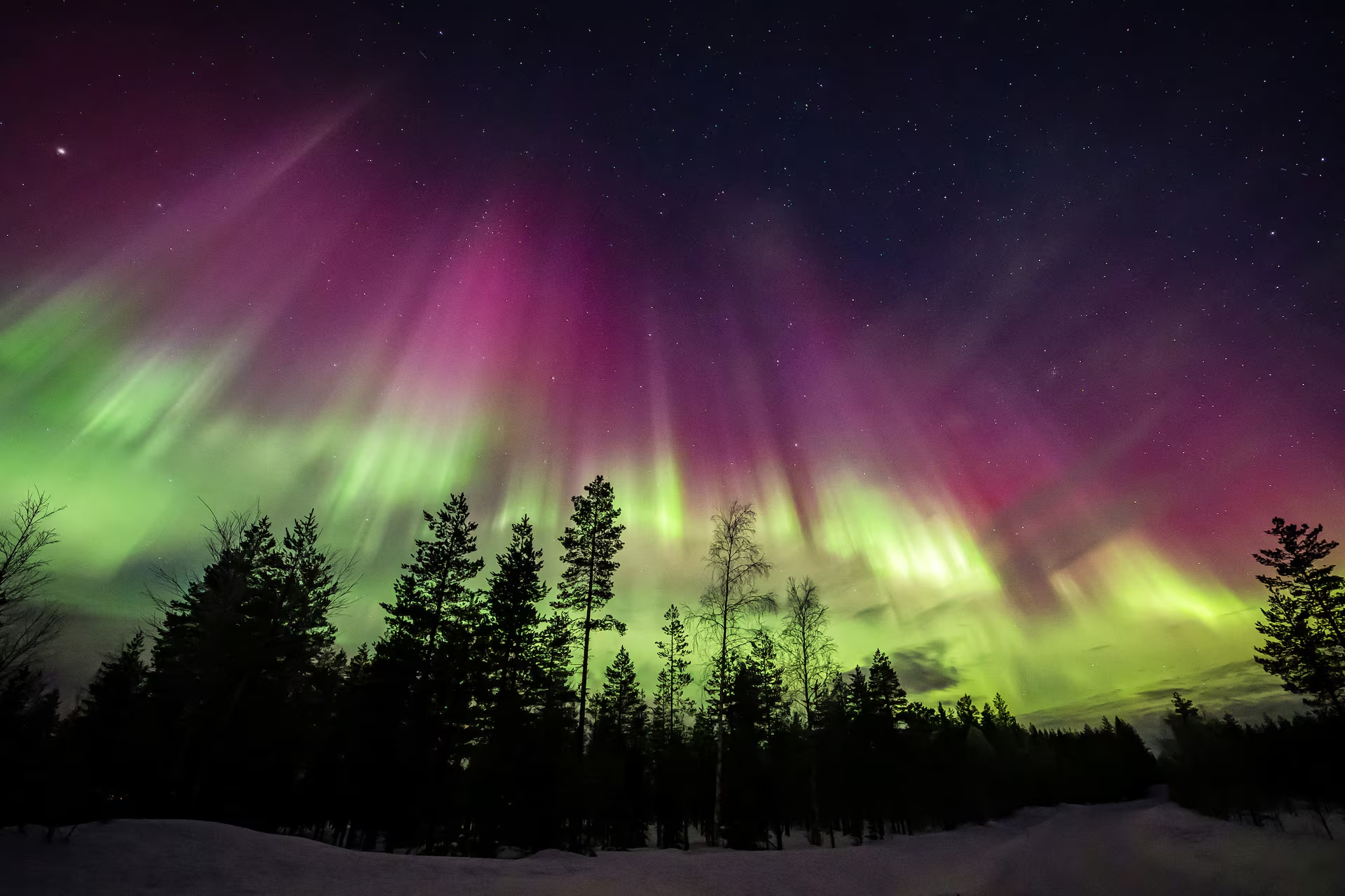
(Auroras, caused by a coronal mass ejection on the Sun, illuminate the skies over Lapland in Rovaniemi, Finland March 15, 2023. | CREDIT: REUTERS)
What causes a solar storm?
According to NASA, the sun creates a tangled mess of magnetic fields — kind of like a disheveled head of hair after a fitful night of sleep. These magnetic fields get twisted up as the Sun rotates, with its equator rotating faster than its poles. Solar storms typically begin when these twisted magnetic fields on the Sun get contorted and stretched so much that they snap and reconnect (in a process called magnetic reconnection), releasing large amounts of energy.
Recommended For You
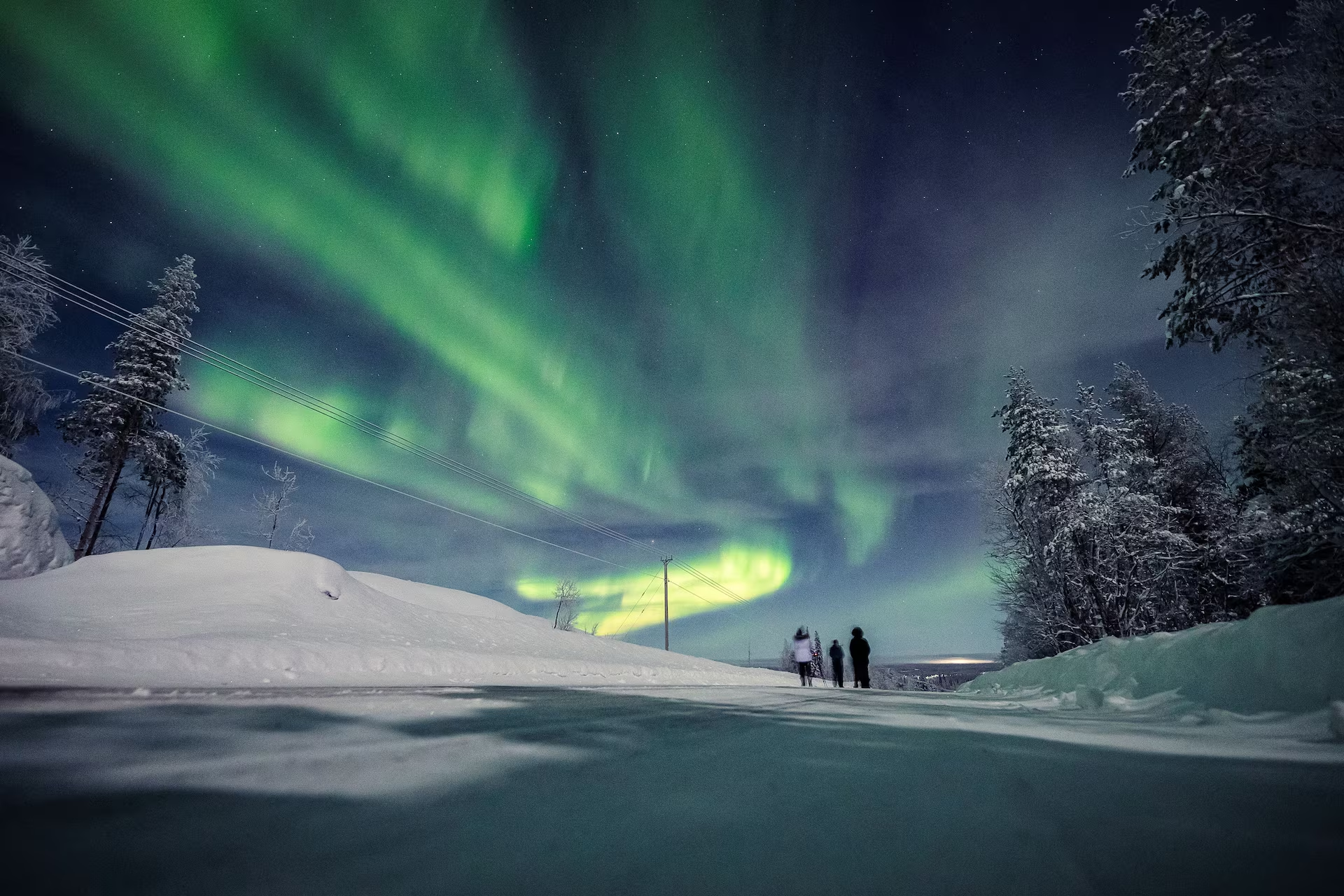
(An aurora is seen in the sky in Pajala, Sweden, February 10, 2022. REUTERS)
ALSO READ: Norway Launches Northern Lights Train: World's First Panoramic Night Train | FAQs
What does this mean for you?
The biggest highlight is that this storm could create stunning, colorful lights in the night sky. These are usually called Northern or Southern Lights. While these are normally only seen near the North and South Poles, this storm is strong enough that people in Northern India, Europe, and Australia might actually get a rare chance to see them.
Are we in danger?
No direct physical harm comes to humans on the ground. Earth’s robust magnetic field and thick atmosphere act as a natural shield, completely blocking the most dangerous radiation and keeping us safe.
How to watch it in India?
If you live in Northern India, keep an eye on the sky after sunset. Your best chance to see any unusual glowing colors is to look up from a dark area, far away from bright city streetlights. According to scientists tracking the storm, the absolute best window to watch the sky in India is between 11:30 PM tonight and 2:30 AM (Tuesday, June 9).
If you are in high-altitude northern regions like Ladakh, especially around Hanle or Leh, Jammu and Kashmir, Himachal Pradesh, or Uttarakhand, your chances are much higher. No special equipment is needed to watch this phenomena.