
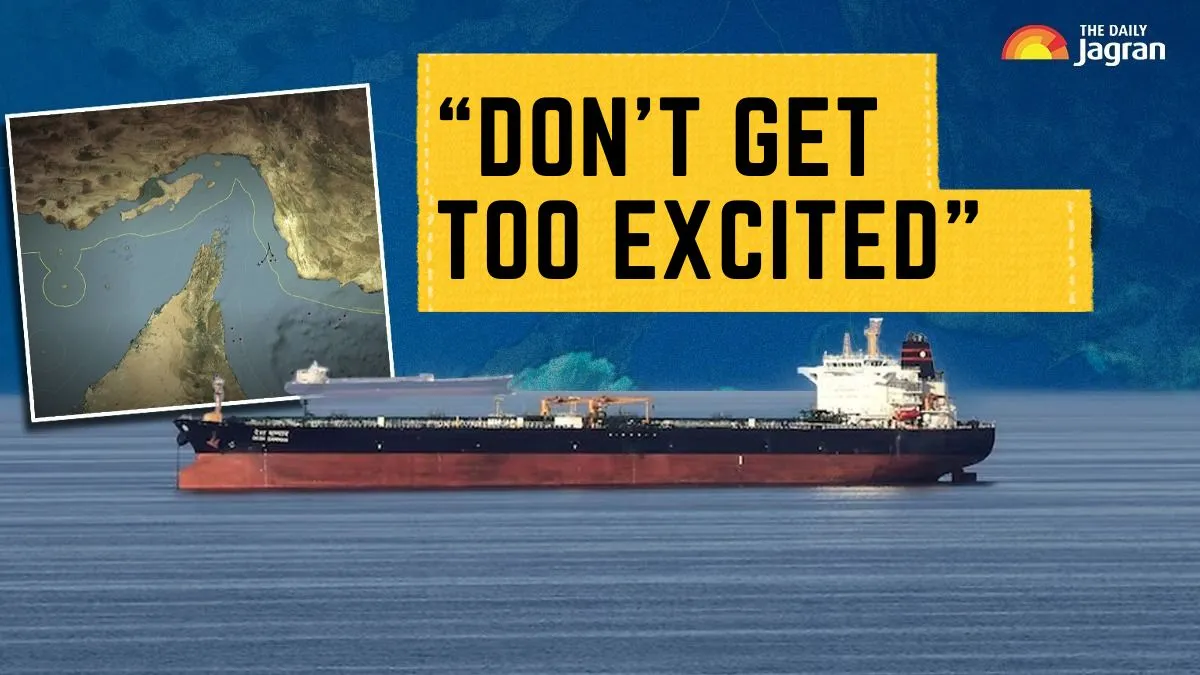
- US-Iran ceasefire announced, Strait of Hormuz reopened.
- Oil market recovery and stability expected to take months.
- Jet fuel supplies and prices will normalize slowly.
US President Donald Trump was swift to announce on a social media platform that he and Iran have agreed to pause strikes for at least two weeks. Both the US President and Iran confirmed the opening of the Strait of Hormuz, a critical chokepoint significant for nearly 20 per cent of oil flow in the world.
In a statement, Iranian Foreign Minister Abbas Araghchi indicated that safe passage for the next two weeks “will be possible via coordination with Iran’s Armed Forces and with due consideration of technical limitations.”
This triggered a question whether the largest disruption in oil market history, triggered by the recent US-Iran conflict, will be resolved quickly or easily or would take months to get normalised.
Will take months to restore pre-war era supply
According to a report by Axios, despite the two-week ceasefire agreement, it would take months to recover the route to the pre-war era. Some geopolitical analysts stressed that, given the unpredictable nature of Trump and Iran’s ability to oppose any aggression, it would take months to build confidence among tanker operators to resume large-scale shipments of crude oil, petroleum products, and other commodities through the Hormuz.
ALSO READ: Hormuz Set To Open After Iran-US Ceasefire Deal: Is Tehran Planning Transit Fee?
“Don't get excited. Confidence-building measures in the coming days are going to be key to restoring shipments,” Axios quoted Joe Brusuelas, chief economist at RSM US.
What are the core issues for vessels seeking Hormuz passage
Insurance coverage for tankers must be reestablished, which hinges on the specific conditions Iran may set. Those details remain unclear. Even if initial tanker movements resume, analysts warn that full recovery will be gradual. Restarting damaged facilities and shut-in oil fields could take weeks to months, according to ClearView Energy Partners.
Recommended For You
Persian Gulf producers cut output by millions of barrels per day during the conflict due to the lack of alternative export routes. While restarting production is a relatively tough engineering task, damage to multiple oil fields and refining sites means it could take three to six months to return to pre-war production and refining levels, Brusuelas predicted.
Repairs to liquefied natural gas infrastructure in Qatar may require years.
Will oil prices go down immediately after Iran-US ceasefire?
Although oil prices plunged roughly 13-15 per cent immediately after the ceasefire announcement and Trump’s decision to pause threats of major strikes, they remain well above pre-war levels.
ALSO READ: Crude Oil Futures Crashes 6% To Hit Lower Circuit As US-Iran Ceasefire Cools Tensions; Details
Analysts at Jefferies noted that while re-escalation risks persist, “uncertainty has likely peaked,” with oil prices expected to stay elevated for months but with limited further upside.
Even with resumed shipping, new deliveries could take days to weeks to reach them. GasBuddy analyst Patrick De Haan suggested the average cost of oil per gallon will decrease within one or two weeks if the ceasefire holds.
Moreover, Willie Walsh, director-general of the International Air Transport Association (IATA), also presented a grim picture of the aviation industry on Wednesday despite a two-week ceasefire announcement. He said it will take months for jet fuel supplies and prices to normalise even if the Strait of Hormuz remains open.