

- Sonam Wangchuk's 20-day fast highlights India's protest history.
- Mahatma Gandhi used fasts for unity and anti-untouchability.
- Irom Sharmila held world's longest 16-year hunger strike.
After being on a 20-day hunger strike, social activist Sonam Wangchuk was removed from Delhi’s Jantar Mantar on Friday morning and shifted to Safdarjung Hospital following a High Court order, as his health condition deteriorated.
Wangchuk’s protest once again brought the spotlight on the use of hunger strikes as a form of protest in India. Over the decades, activists and social leaders have used fasting to draw attention towards political, social and public issues, putting pressure on governments to address their demands.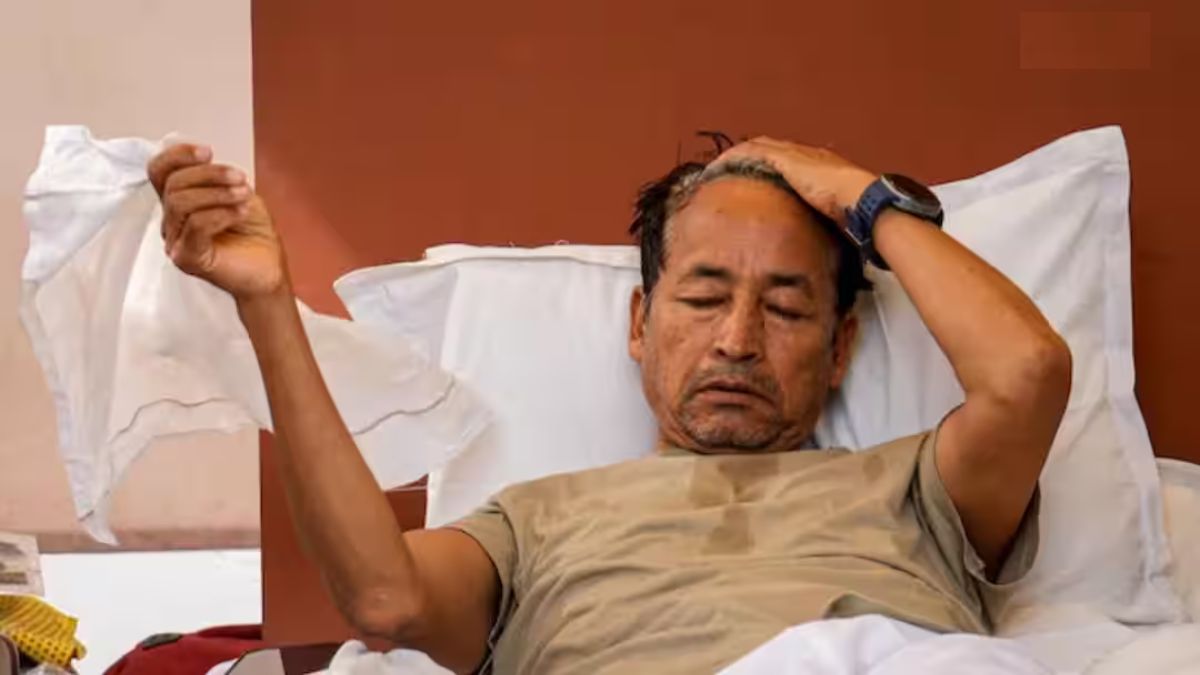
Sonam Wangchuk At Jantar Mantar
From Mahatma Gandhi’s struggle for freedom to Irom Sharmila’s protest fasting for 16 years, India has been witness to some unforgettable historic hunger strikes.
Mahatma Gandhi’s Fasts During The Freedom Movement
Mahatma Gandhi effectively used his hunger strike as a means during India’s independence movement, and several other fasts were taken on political and social grounds.
In September 1924, Gandhi observed a 21-day fast to promote Hindu-Muslim unity and restore communal harmony during a period of widespread tension.
ALSO READ: Cops In Plainclothes, White Sheets: How Delhi Police Removed Sonam Wangchuk From Jantar Mantar
Later, in 1933, he undertook another 21-day fast from May 8 to May 29 as an act of self-purification and to fight against the social discrimination faced by Dalits and the practice of untouchability.
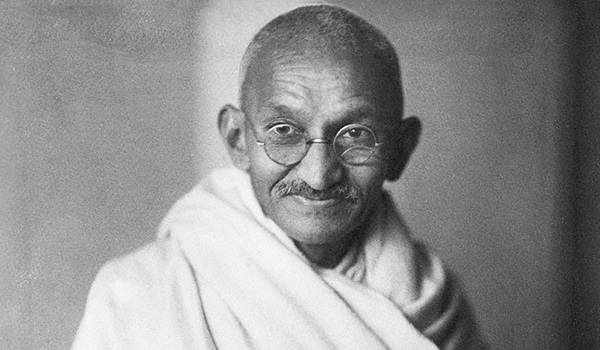
Mahatma Gandhi
Jatindra Nath Das’ 63-day Hunger Strike
Freedom fighter Jatindra Nath Das, also known as Jatin Das, launched a hunger strike on July 13, 1929, at Lahore’s Borstal Jail demanding better treatment and rights for Indian political prisoners.
After continuing the fast for 63 days, Das died on September 13, 1929, at the age of 24. His sacrifice became one of the most remembered hunger strikes during the freedom struggle.
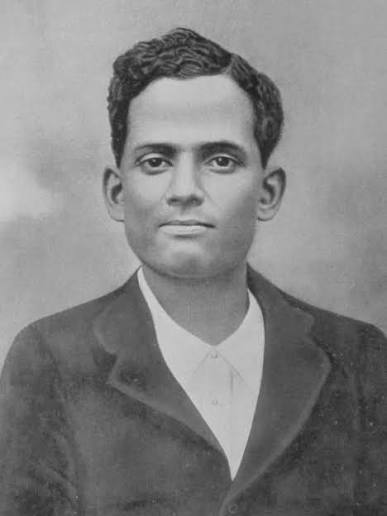
Jatindra Nath Das
Potti Sriramulu’s 56-day fast For Andhra Pradesh
Freedom fighter Potti Sriramulu played a key role in the demand for a separate state for Telugu-speaking people.
He began a fast unto death on October 19, 1952, demanding the formation of Andhra Pradesh. After fasting for 56 days, his health deteriorated, and he died on December 15, 1952.
Following widespread protests after his death, the government moved forward with the creation of Andhra Pradesh, with then Prime Minister Jawaharlal Nehru announcing the formation of the state.
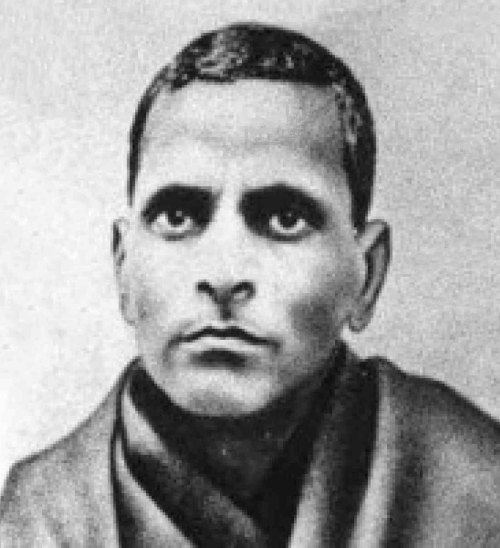
Potti Sriramulu
Anna Hazare’s Lokpal Movement
In 2011, social activist Anna Hazare launched a hunger strike demanding a stronger Lokpal law to tackle corruption.
His first fast began on April 5, 2011, at Jantar Mantar in Delhi, triggering the nationwide India Against Corruption (IAC) movement. The protest saw participation from citizens, activists and political leaders across the country.
Later, in August 2011, Hazare announced another indefinite fast. His brief arrest before the protest led to widespread protests, after which the demonstration was shifted to Ramlila Maidan, where thousands gathered in support.
The movement eventually contributed to the passage of the Lokpal and Lokayuktas Act, 2013 and also played a role in the emergence of the Aam Aadmi Party led by Arvind Kejriwal.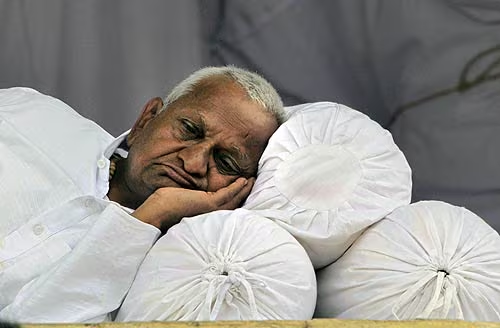
Anna Hazare
Professor GD Agarwal’s 111-day Fast For Ganga
Environmental activist Professor GD Agarwal, who later became known as Swami Gyan Swaroop Sanand after taking sanyas, dedicated his life to the conservation of the Ganga.
He undertook multiple hunger strikes demanding measures to protect and clean the river. In 2018, he died during an 111-day fast unto death while continuing his campaign for the preservation of the Ganga.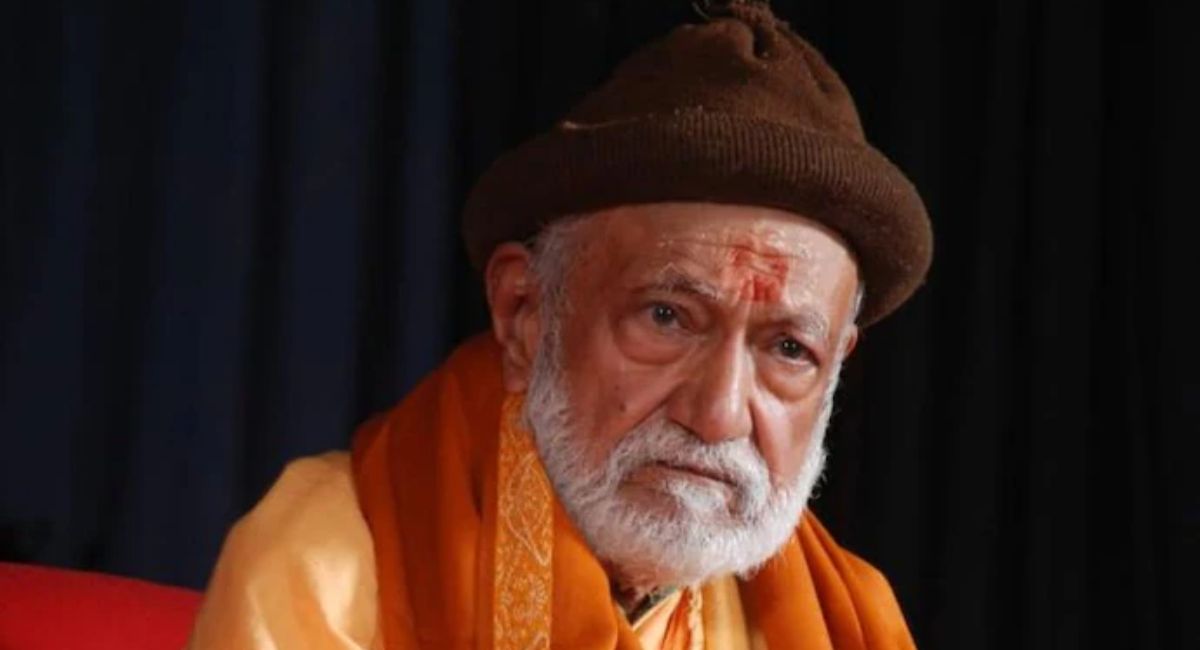
Professor GD Agarwal
Irom Sharmila’s 16-year Hunger Strike
Manipur activist Irom Chanu Sharmila, popularly known as the “Iron Lady of Manipur”, began one of the world’s longest hunger strikes in 2000.
She launched the protest demanding the repeal of the Armed Forces Special Powers Act (AFSPA) from Manipur after the killing of around 10 civilians allegedly by Assam Rifles personnel.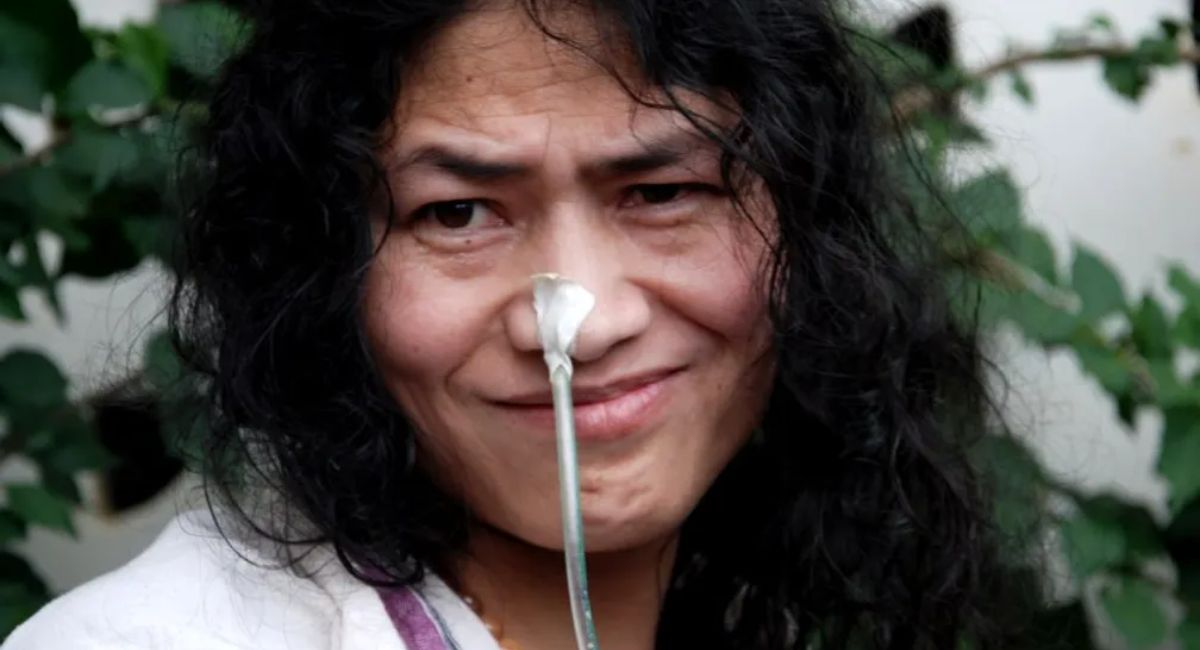
Irom Sharmila
Sharmila continued her fast for nearly 16 years, although authorities kept her alive through force-feeding. She ended her hunger strike on August 9, 2016, but her demand for repealing AFSPA remained unresolved.