
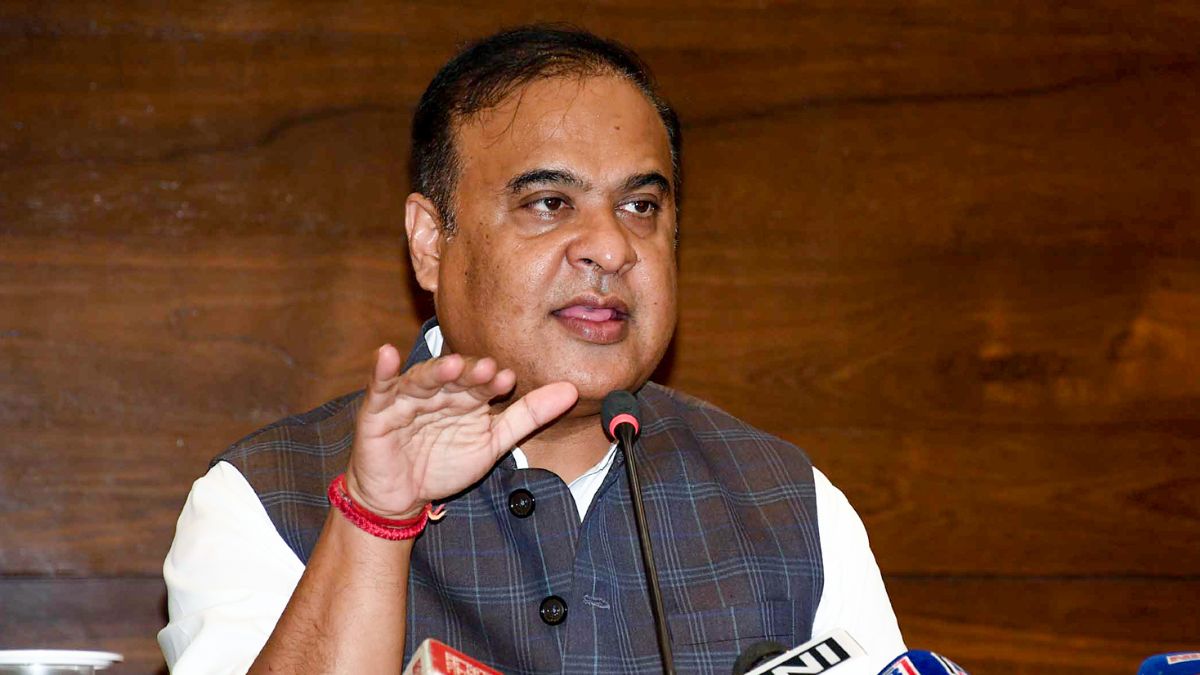
Amid protests in Assam over the implementation of the Citizenship (Amendment) Act, 2019 (CAA), Assam Chief Minister Himanta Biswa Sarma declared that he would step down if any individual, not enlisted in the National Register of Citizens (NRC), obtains citizenship.
Sarma's statement came in response to widespread opposition criticism directed at the BJP government for implementing the CAA, which facilitates citizenship for undocumented non-Muslim migrants from Pakistan, Bangladesh, and Afghanistan.
Speaking at a program in Sivasagar, the Chief Minister said, "I am a son of Assam and if a single person who has not applied for NRC gets citizenship, I will be the first to resign."
The protests in Assam have voiced concerns about a potential influx of migrants into the state following the CAA's enactment. Addressing these apprehensions, Sarma asserted his readiness to protest against any such development, reiterating his allegiance to Assam's interests.
Sarma addressed the ongoing debate surrounding the CAA, noting that the law was enacted earlier and that the time has now come for applications to be submitted through the designated portal. He expressed confidence that data collected through the portal would shed light on the accuracy of claims made by those opposing the Act.
Meanwhile, the All Assam Students Union (AASU) along with various other organizations are protesting across the state including Guwahati, Tezpur, and other districts. Guwahati police on Tuesday issued legal notice and warned if anyone damages property or indulges in any kind of violence will have to pay for it.
Recommended For You
ALSO READ: Who Is Nayab Singh Saini, Kurukshetra MP Likely To Replace ML Khattar As Haryana CM
'The data on the portal will speak now, and it will become clear whether the claims of those opposing the Act stand factually correct or not," Sarma said.
The issuance of CAA rules now enables the central government to grant Indian nationality to persecuted non-Muslim migrants from Bangladesh, Pakistan, and Afghanistan who arrived in India by December 31, 2014. This includes Hindus, Sikhs, Jains, Buddhists, Parsis, and Christians. The implementation of the law was pending until the rules were notified.