
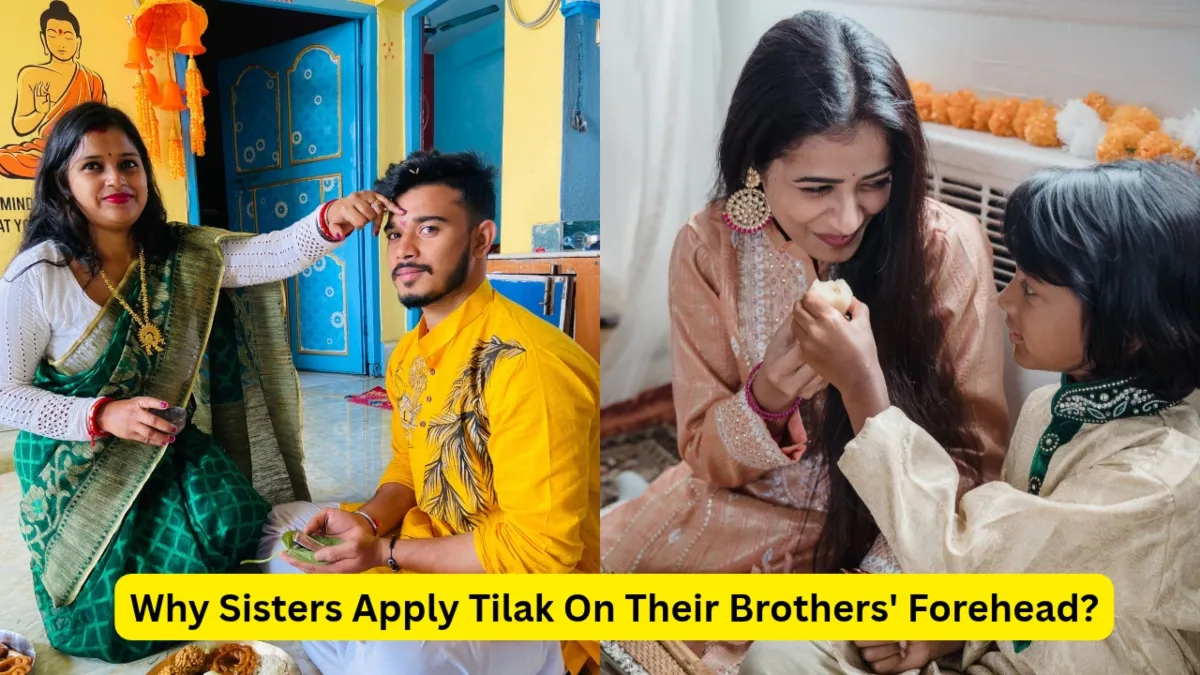
Bhai Dooj is the festival that celebrates the bond between a brother and a sister. On this day, sisters apply tilak on their brother's forehead as a symbol of love, long life, prosperity, and protection.
According to mythology, this ritual originated when Lord Yama (the god of death) visited his sister Yamuna, who applied the tilak on his forehead and prayed for his well-being.
Touched by her affection, Yamraj declared that any sister who applies the tilak and performs this ritual for her brother, and any brother who honours it, will be freed from the fear of death and will get his protection.
Bhai Dooj 2026: Date And Shubh Muhurat
According to Hindu Panchang, Bhai Dooj is celebrated on the Shukla Paksha Dwitiya Tithi of the Kartika month, which is just two days after Diwali. According to Drik Panchang, the auspicious timings and date of the festival are:
Event / Timing | Date | Time |
Bhai Dooj Observance | Wednesday, Nov 11, 2026 | Full Day |
Bhai Dooj Tilak Muhurat | Wednesday, Nov 11, 2026 | 01:10 PM – 03:20 PM |
Dwitiya Tithi Begins | Tuesday, Nov 10, 2026 | 02:00 PM |
Dwitiya Tithi Ends | Wednesday, Nov 11, 2026 | 03:53 PM |
The Mythological Stories Behind The Tilak Tradition On Bhai Dooj
There are two most popular legends behind the tilak tradition:
1. Legend Of Yamraj And Yamuna
According to Hindu scriptures, Yamuna had been trying to invite her brother Lord Yama to her home for a long time. However, busy with his duties as the god of death, he was not able to visit her.
When he got the time, Lord Yama visited Yamuna on the second day after Diwali. Surprised to see her brother at her doorstep, Yamuna felt overjoyed. She warmly welcomed him, applied tilak on his forehead and prepared a grand feast for him.
Recommended For You
Pleased by her love, Yamraj offered her a boon. To which Yamuna asked two things:
- That Yamraj visit her every year on this day.
- That any brother who visits his sister, receives a tilak, and eats meals prepared by her on this day shall never face an untimely death.
Yamraj granted the wish, making this day famous as Yama Dwitiya or Bhai Dooj.
2. Legend Of Lord Krishna And Subhadra
Another popular legend associated with Bhai Dooj has its connection with Lord Krishna. After slaying the demon Narakasura, a day before Diwali, Lord Krishna visited his sister Subhadra.
Seeing her brother, Subhadra welcomed him with lamps, flowers, and sweets, and put a tilak on his forehead to celebrate his victory.
Some traditions believe this is where the ritual of applying tilak began.
The Significance Of Applying Tilak On The Forehead
Applying tilak on the forehead holds immense spiritual significance:
1. The tilak applied at the centre of the forehead activates the Ajna Chakra, or third eye chakra. This chakra governs intuition, clarity, and intelligence.
2. Tilak is most often applied using vermilion with unbroken rice. It is believed that these absorb negative energy and spread positivity.
3. Rice placed over the kumkum symbolises prosperity and abundance.
ALSO READ: 5 Vastu Tips To Invite Wealth And Prosperity At Home This Diwali
Step-by-Step Bhai Dooj Tilak Ritual
Here are a few steps that you should perform while applying tilak on the forehead on Bhai Dooj:
1. Arrange a thali in which place kumkum or roli, unbroken rice, sweets, a diya, and dry coconut (optional).
2. Then make your brother sit facing North or East.
3. Then, with your ring finger, take the roli and akhst and, while reciting a prayer, apply the tilak.
4. Give the coconut to your brother as a symbol of blessing and protection and feed him sweets.
5. Perform aarti to ward off negative energies.
6. Exchange gifts and seek blessings.
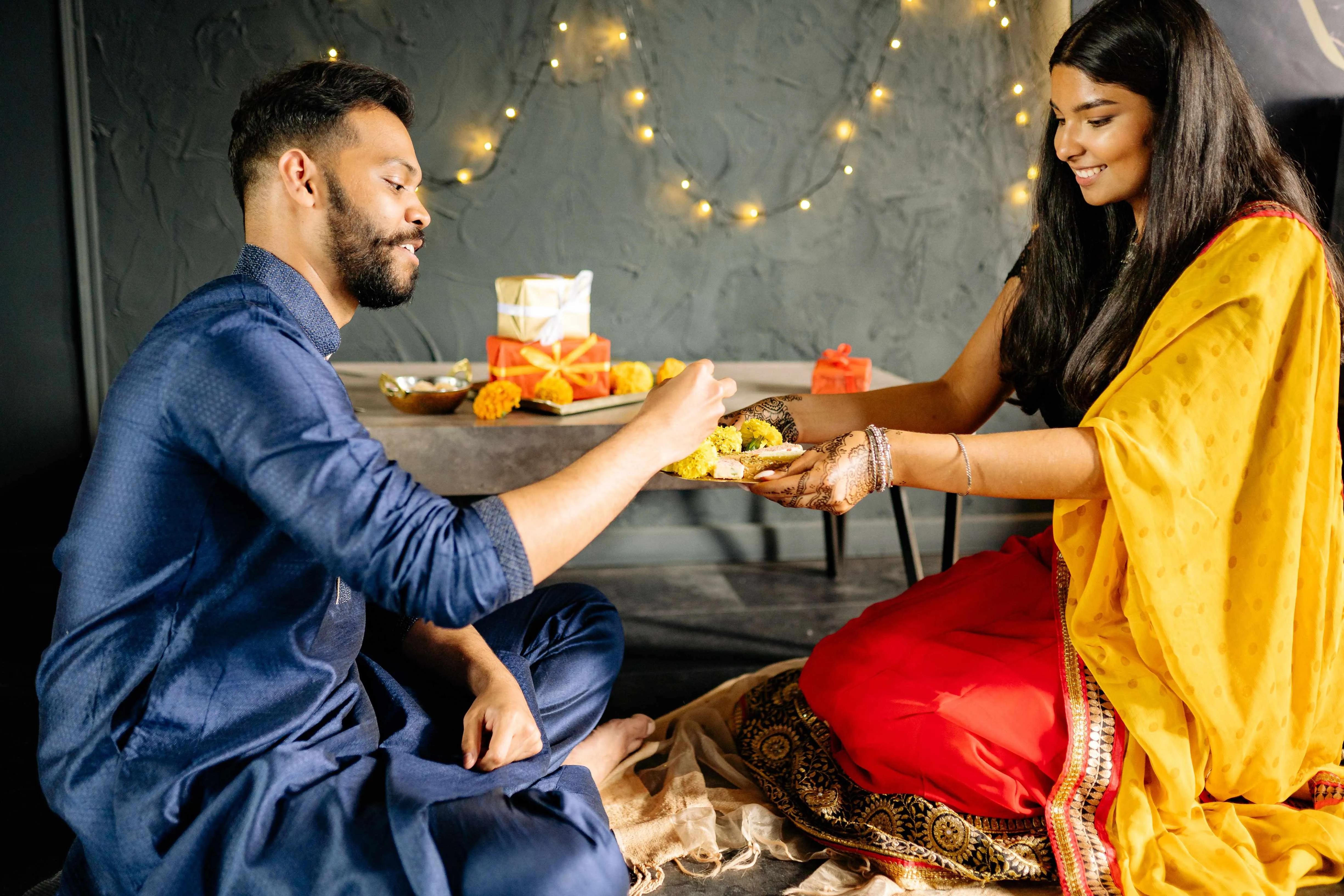
Bhai Dooj is the festival that celebrates the bond between a brother and a sister (Image: Pexels)
ALSO READ: Why Is Goddess Kali Worshipped On Diwali Night In Bengal?
Thus, a sister applying tilak on her brother's forehead on Bhai Dooj symbolises blessings, victory, protection, and love.
FAQs
1. Why is dry coconut given on Bhai Dooj?
The dry coconut represents purity, abundance and divine blessings. It is handed to the brother after the tilak as a token of protection and goodwill.
2. What is the difference between Raksha Bandhan and Bhai Dooj?
While both festivals celebrate the sibling bond, Raksha Bandhan involves tying a sacred thread on the wrist. Bhai Dooj focuses on the tilak ceremony on the forehead.