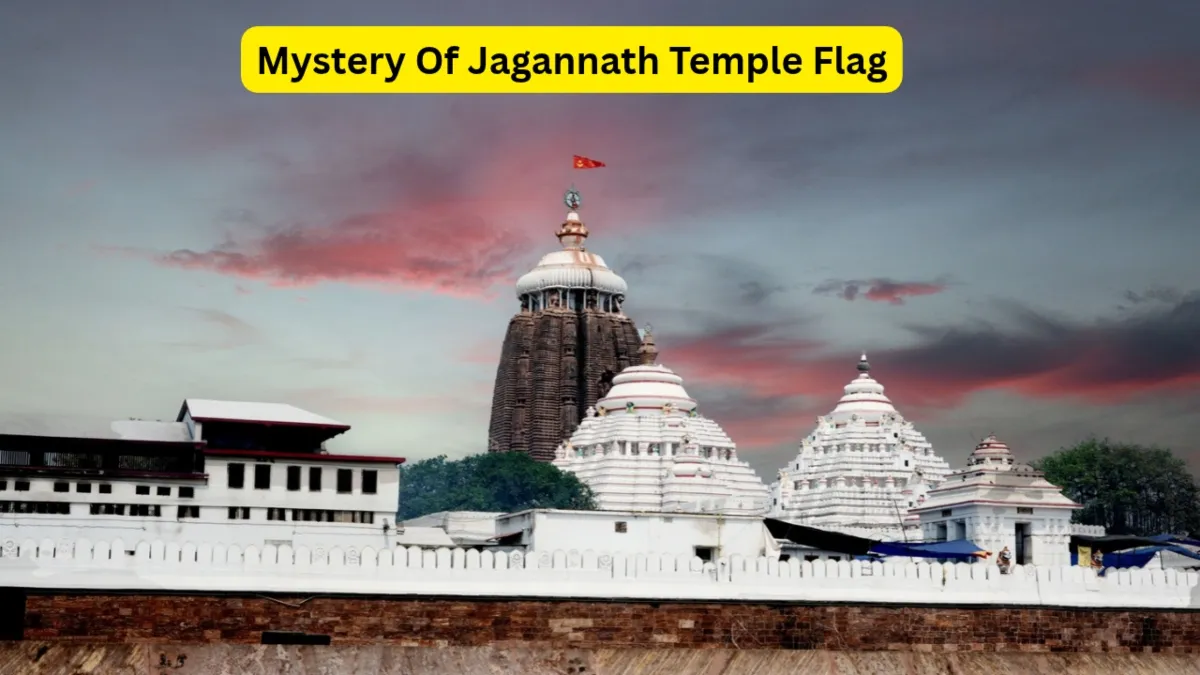
The Mystery Of The Patitapavana Bana
At the top of the Jagannath temple sits the Nila Chakra (Blue Wheel) is place from which the flag known as the Patitapavana Bana is tied.
Visitors to the temple have witnessed that while flags and trees at ground level move in one direction, the giant flag atop the temple dome flows in the exact opposite direction. This is because of the atmospheric conditions of the place, interpreted through centuries of spiritual tradition.
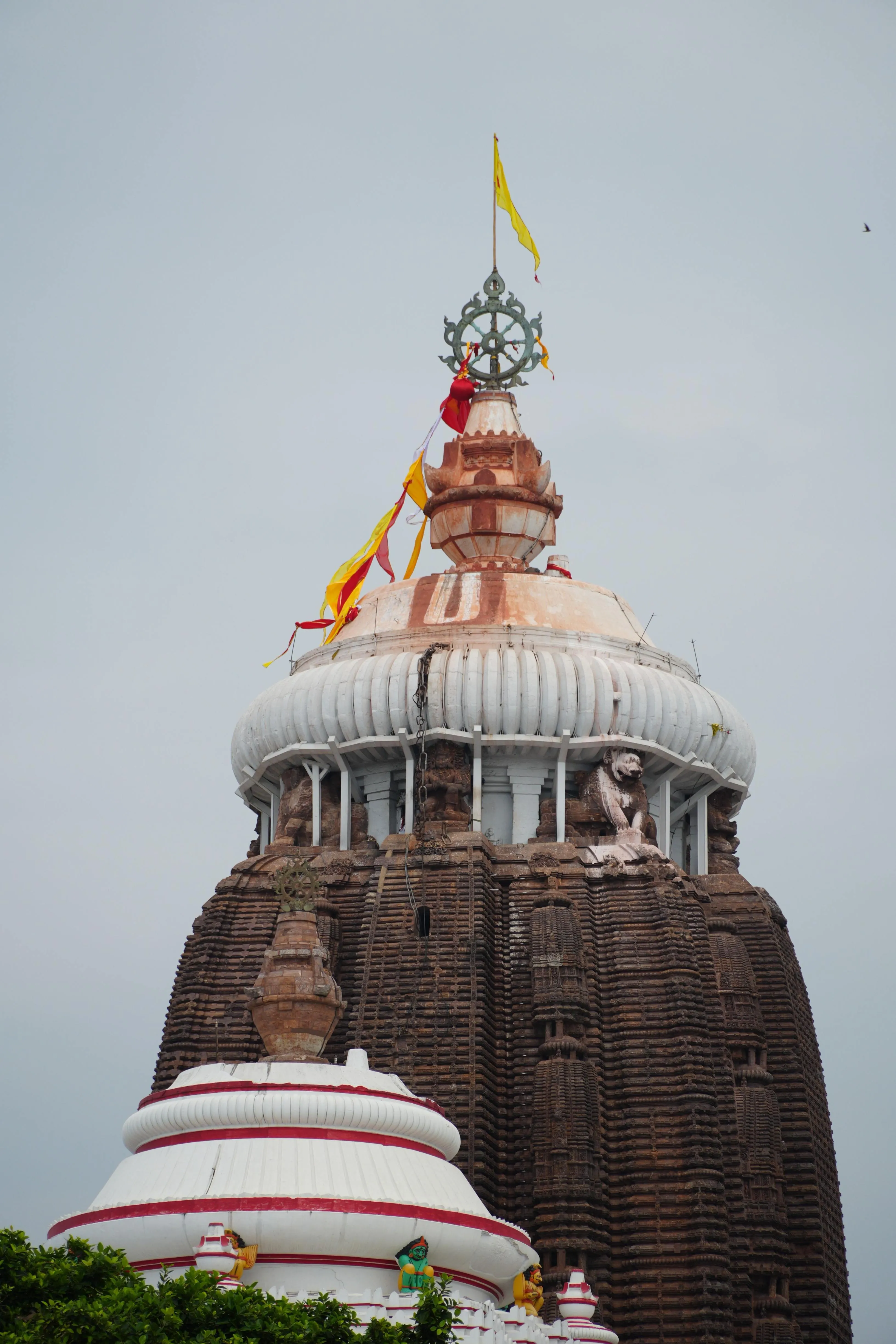
The flag of Jagannath temple called as Patitapavana Bana (Image: Pexels)
Does The Movement Really Show Divine Intervention?
Science has offered its own explanation. However, locals believe the temple is blessed by supernatural forces that ensure the flag’s movement is always in the opposite direction of the wind. It is said that Lord Jagannath himself ensures that the flag moves in this direction, symbolising that he is present everywhere.
Recommended For You
The flag’s movement is thus seen as a manifestation of divine power, showing that even the forces of nature must bow in front of the Lord.
The Scientific Explanation Of The Flag Flying Against The Wind
While popular tradition relates this movement to divine intervention, atmospheric scientists and aerodynamic engineers have stated four reasons why the flag moves like this:
1. Coastal Land Breeze And Sea Breeze Dynamics
Jagannath Puri is a coastal city. During the day, the land heats up much faster than the ocean. The warm air over the land rises, creating a low-pressure area, and cool air from the sea moves in to replace it.
This creates a sea breeze moving from sea to land. At night, the process reverses. The land cools faster than the sea, creating a land breeze moving from land to sea.
At high altitudes, like the temple height, these air movements collide and move in different directions before reaching the ground level. So, the wind blowing on the ground in the east can actually be part of a return airflow moving West at the top.
2. Aerodynamic Thermal Drafts
The main dome of the Jagannath Temple is shaped in the classical Kalinga architectural style, curved, conical, and smooth. When ocean winds hit the massive stone, the air cannot pass directly through it. Instead, wind is forced to move upward and around the structure.
This creates a powerful updraft that spirals toward the peak, forming vortices near the Nila Chakra, which causes the flag to move against the direction of the wind.
3. Flag Material
The Patitapavana flag is not made of lightweight nylon or standard cotton. Instead, it is constructed from heavy, tightly woven silk or specialised cloth that is shaped into a triangle.
This heavy material requires high-velocity air to change position.
ALSO READ: 5 Sacred Hindu Temples Where Non-Hindus Are Not Allowed And Why
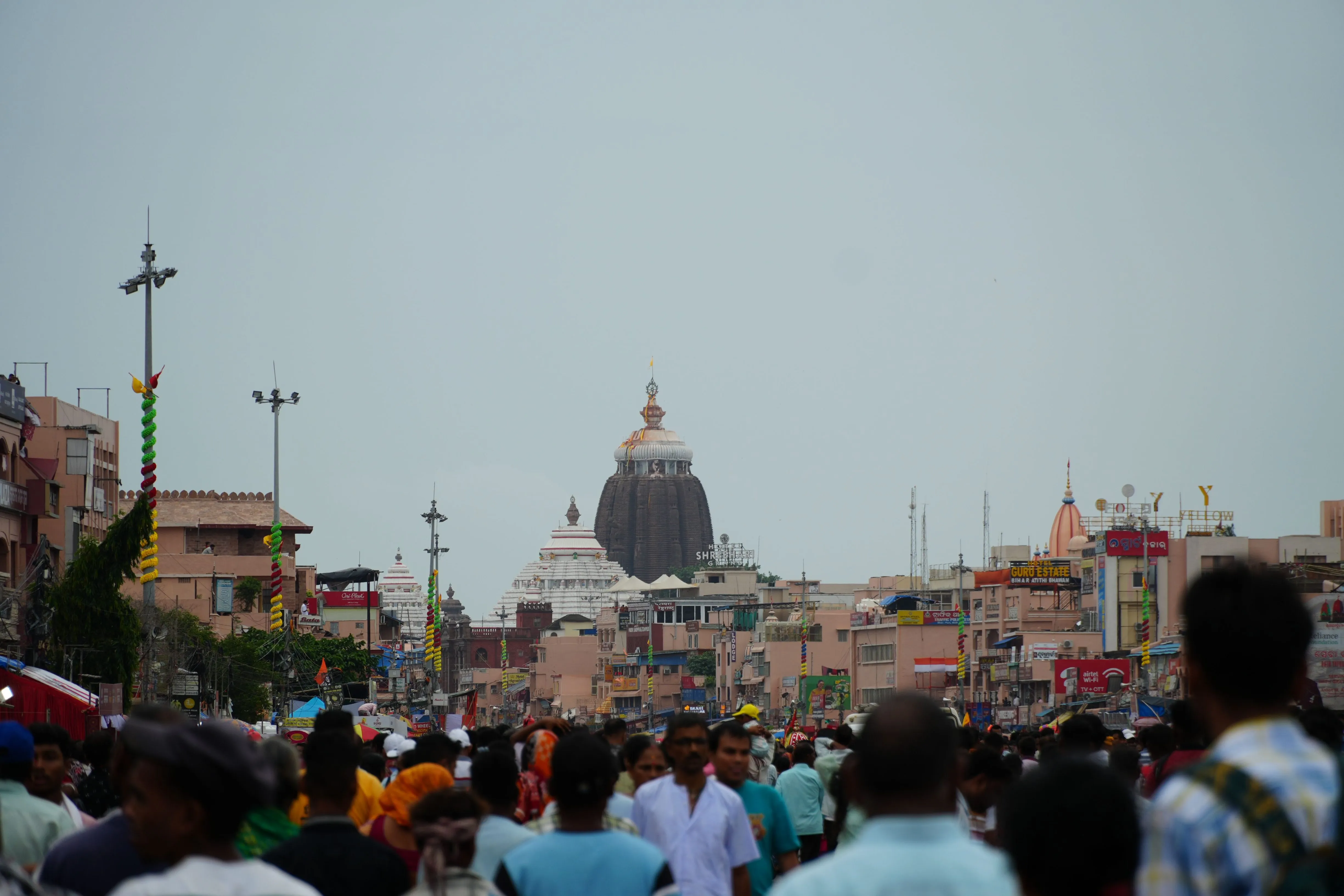
The Patitapavana flag is not made of lightweight nylon (Image: Pexels)
The Sacred Tradition: The Daily Flag-Changing Ritual
At Jagannath Temple, the tradition of changing the flag every day has been followed for centuries. Every single afternoon between 4:00 PM and 6:00 PM, the flag is replaced.
According to local custom, if the ritual is missed even for a single day, the temple then must remain closed for 18 years.
That is why the servitors from the Chunara community climb the smooth stone. It is believed that those who are unable to enter the inner sanctum, even if look at the flag considered spiritually equal to viewing the deity inside.
ALSO READ: Jagannath Rath Yatra 2026: Why Does Lord Jagannath Stay At Gundicha Temple For Seven Days?
This is why the flag at Jagannath temple flies against the wind. Not because it symbolises divine intervention but because of the movement of the wind at high level.
FAQs
1. Does the flag on Jagannath Temple really fly against the wind?
Visually, yes. While it appears to defy ground-level wind directions, it is actually responding to high-altitude thermal drafts, micro-vortices, and coastal breeze reversals occurring 214 feet above the ground.
2. Who changes the flag on top of Jagannath Temple?
Servitors from the traditional Chunara family line perform this daily high-altitude climb barefoot without safety ropes.
3. What happens if the Jagannath Temple flag is not changed for a day?
According to long-standing temple tradition and rituals, if the daily flag-changing routine is interrupted, the temple must remain locked and closed to the public for a period of 18 years.