
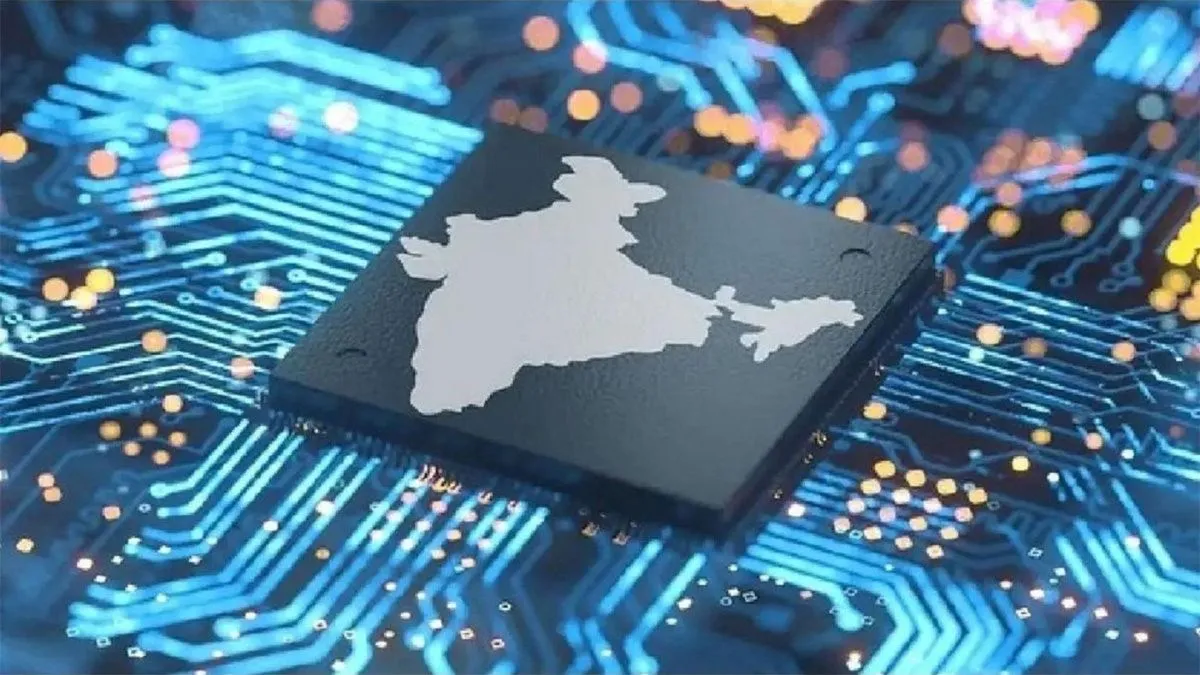
India's Semiconductor Mission 2.0: The Indian government has made a significant announcement in the 2026 budget by launching the India Semiconductor Mission 2.0. This ambitious initiative comes with a substantial allocation of 40,000 crore rupees, demonstrating the government's serious commitment to transforming India into a major player in the global semiconductor industry. The mission aims to position India as a competitive alternative to established chip manufacturing countries like China and Vietnam. This is not just about producing chips but about building a complete ecosystem that can design, manufacture, and export semiconductors to the world.
Building a Complete Manufacturing Ecosystem: India's Semiconductor Mission 2.0
The massive budget allocation will be strategically used to strengthen India's semiconductor manufacturing capabilities from the ground up. India's Semiconductor Mission 2.0 The funds will help establish advanced manufacturing facilities, procure cutting-edge machinery, secure raw materials, and develop robust supply chains. This comprehensive approach means that India won't just be assembling chips but will have control over the entire production process. The mission's success could lead to a transformation in the electronics market, making smartphones, laptops, and other electronic devices manufactured in India much more affordable for consumers. Additionally, these products could be exported to other countries, boosting India's economy and creating thousands of jobs in the technology sector.
ALSO READ: Apple Macbook Buying Experience Updated: Now You Can Step-By-Step Configuration On Apple Store
Focus on Education and Skill Development
One of the most exciting aspects of Semiconductor Mission 2.0 is its emphasis on education and skill development. India's Semiconductor Mission 2.0 The government recognises that having manufacturing facilities alone is not enough; the country needs talented engineers and designers who can innovate and create new chip designs. Currently, students at 315 universities across India are already learning chip design. The plan now is to expand this to 500 universities and introduce specialised courses in artificial intelligence and semiconductor technology. This approach will create a large pool of skilled professionals who can drive innovation in this field. The government's goal is to develop a common computing infrastructure that prevents technology from being controlled by just a handful of companies, making it accessible to everyone.
Recommended For You
ALSO READ: Oppo A6i+ 5G And Oppo A6v 5G Launched In China: Price, Specifications And Features
Benefits for Common People
The impact of this mission will be felt directly by ordinary citizens in their daily lives. As India strengthens its semiconductor manufacturing capabilities, the prices of electronic devices are expected to decrease significantly. India's Semiconductor Mission 2.0 Mobile phone batteries and electric vehicle batteries will become cheaper, which should lead to lower smartphone prices in the coming years. This is particularly good news considering that phone prices have been rising due to expensive components like RAM. Other household items like microwave ovens are also expected to become more affordable. Beyond just lower prices, this mission represents India's journey towards technological self-reliance and its ambition to compete with global leaders in the high-tech manufacturing sector.