
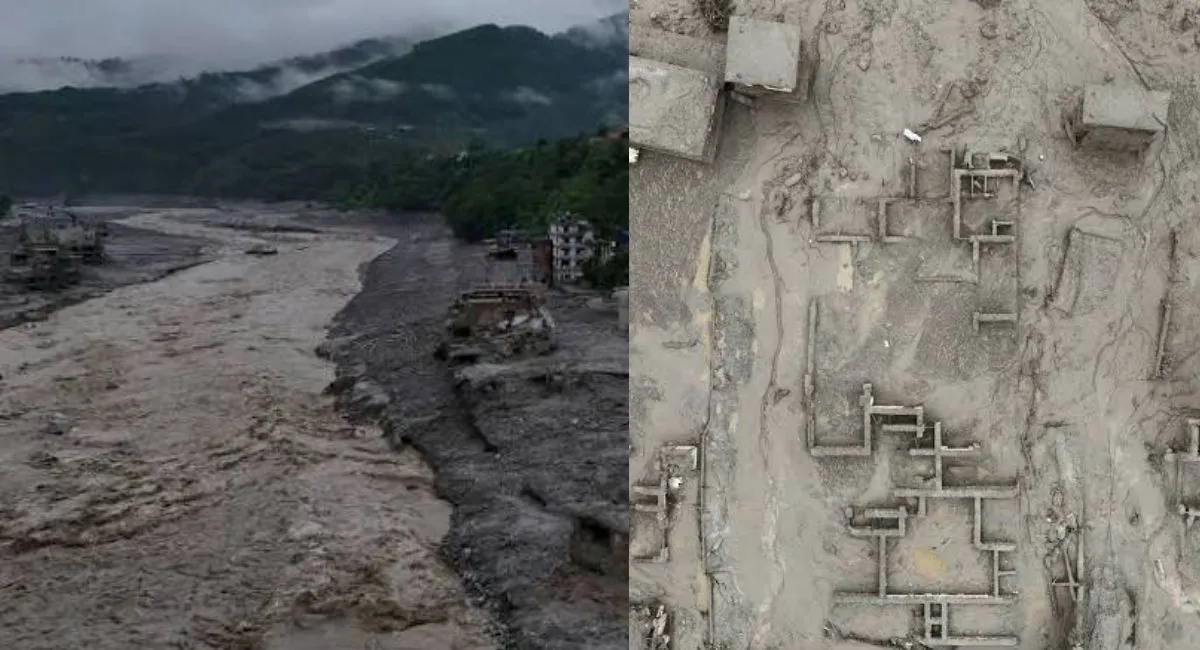
The devastating floods in Nepal have triggered a second crisis online, with social media platforms being flooded with misleading posts, old disaster footage and AI-generated images falsely presented as visuals from the ongoing situation.
Amid growing concerns over the spread of misinformation, the Nepal Press Council has launched a dedicated portal to receive complaints about misleading and objectionable content linked to the disaster.
Nepal Press Council Launches Complaint Portal
The portal called 'Special Complaints on Bhotekoshi Incident' was launched, allowing any individual to present a complaint about fake, misleading or objectionable materials related to the flood and related happenings, reported The Kathmandu Post.
Chairman of Nepal Press Council, Umesh Shrestha, said that the council had received 101 complaints by Saturday evening and, after scrutiny, 72 online media were directed to withdraw objectionable materials.
Of the complaints received, 67 were related to posts made from personal social media accounts, while some online news portals and their social media pages were also flagged.
Old Videos, AI Images Add To Confusion
Fact-checkers are facing another major challenge as several visuals circulating online appear authentic but are actually unrelated to the current disaster.
The researchers have found that videos and images of past disasters that happened in other countries are being falsely presented as scenes from the Nepal flood. On the other hand, AI-generated images and videos are making it more complicated for users to identify what is fake and what is not.
Concern about this content has increased with families searching through social media for details of missing family members. Describing older footage of natural disasters as current crises can create chaos, panic and spread false information.
Fact-Checkers Step In
Nepal Fact Check is also investigating misleading posts and AI-generated content linked to the disaster. Fact-checkers have warned that artificial intelligence has intensified the long-standing problem of misinformation during emergencies.
The issue is not limited to fabricated content. Old photographs and videos from unrelated disasters are also being recycled and presented as current visuals from Nepal.
Disaster Content Used For Views, Money
Authorities and fact-checkers have also raised concerns over people using distressing images and videos of the disaster to attract likes, views and shares.
The practice has triggered questions over whether some users are attempting to turn a humanitarian crisis into viral or monetised social media content.
The government's Social Media Regulation and Management Committee has begun discussions with internet media platforms to address the spread of such material.
The committee is also tasked with dealing with issues including graphic content, AI-generated misinformation, fake QR codes and online fraud.
You May Also Like To Watch: