Gujarat Legislative Assembly on Tuesday passed the Uniform Civil Code (UCC) Bill, 2026. The bill proposes a common legal framework to govern marriage, divorce, succession and live-in relationships irrespective of religion.
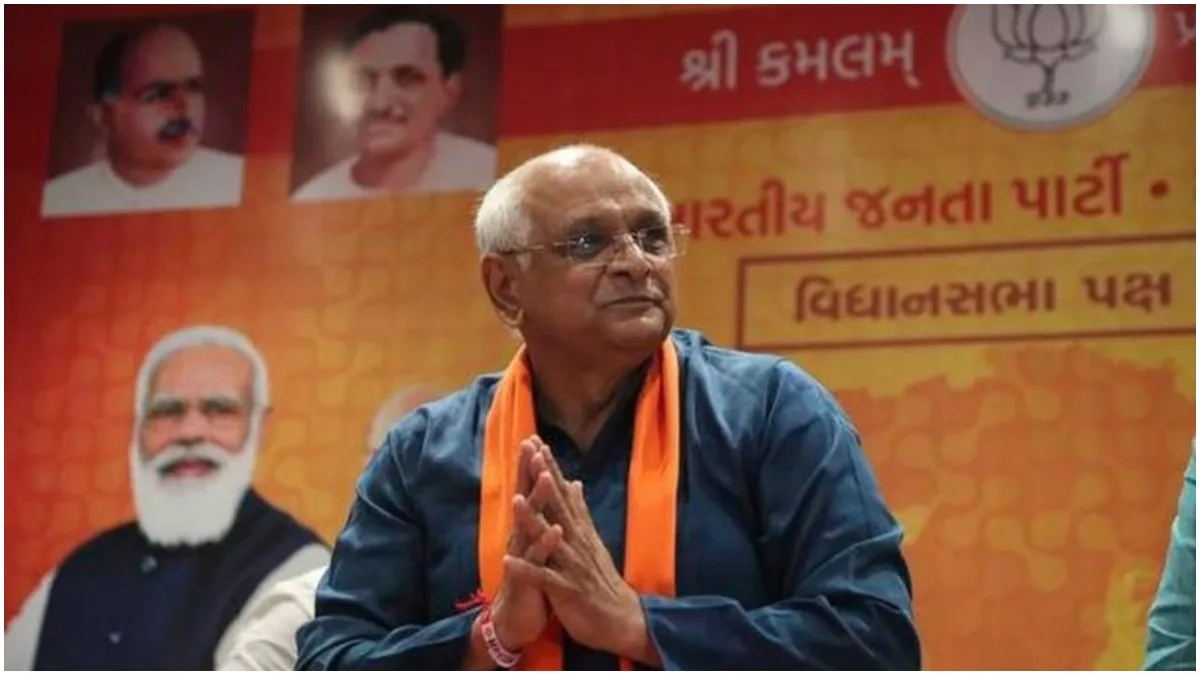
The Bill was tabled in the assembly by state Chief Minister Bhupendra Patel a week after a state-appointed panel submitted its final report on implementation of the UCC.
The bill was passed after nearly 7.5 hours of discussion in the House. The voting on the bill took place late in the evening. Congress walked out of the House in protest during voting, demanding that the Bill be referred to a Select Committee.
The bill will now go to the Governor for assent, Once cleared, Gujarat will become the second state after Uttarakhand to implement the UCC.
The bill is titled 'Gujarat Uniform Civil Code, 2026'. IT proposes that the law will not only extend to the entire state but also apply to residents of Gujarat living outside its territorial limits.
ALSO READ: Gujarat Titans By The Numbers: Top Run-Getters, Wicket-Takers & Key Records
The proposed legislation has kept members of Scheduled Tribes and certain groups out of its ambit due to their customary rights protected under the Constitution.
As per the "Objects and Reasons" statement, the Bill aims to create a uniform legal framework. The Gujarat UCC Bill 2026 has provisioned registration of live-in relationships, as well as their termination through a formal declaration.
The bill also prohibits bigamy and a marriage under the code will be considered valid only if neither party has a living spouse at the time of marriage, it said.
Key provisions
- Uniform law for marriage, divorce and ancestral property
- Compulsory registration of marriage, divorce and live-in relationships
- Forced marriage and polygamy punishable with up to 7 years' imprisonment
- Divorce outside court is invalid, violation punishable with 3 years' imprisonment
- 3 months imprisonment for not registering live-in relationship
- Action under POCSO for live-in with a minor
- Daughters have equal rights in ancestral property