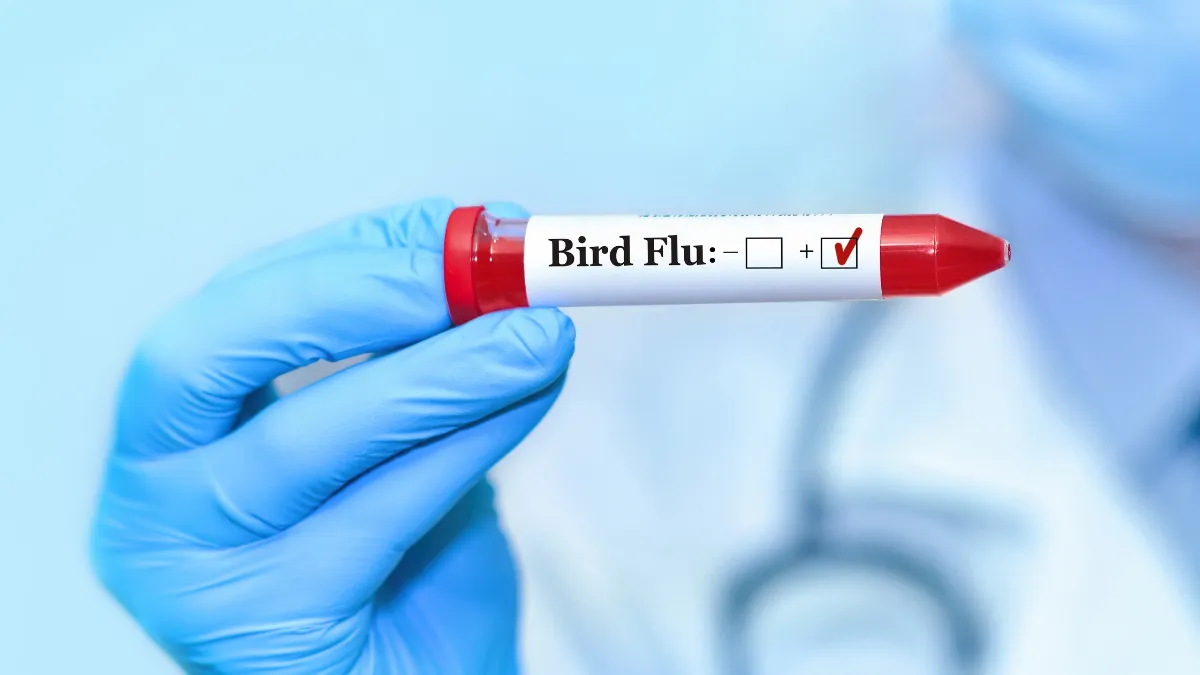
- India's first indigenous H5N1 vaccine targets Clade 2.3.2.1a.
- Each dose is expected to cost just Rs 1-2.
- Recent bird flu outbreaks have been reported in Kerala, Tamil Nadu, and Andhra Pradesh.
India has developed its first indigenous vaccine against H5N1 avian influenza, better known as bird flu. Scientists at a research institute in Bhopal have created it, and the move is being seen as an important boost to the country’s ability to handle recurring outbreaks. The vaccine targets the strain behind most bird flu cases in Indian poultry and is expected to give farmers a cheaper way to protect their birds.
Union Agriculture Minister Shivraj Singh Chouhan launched the vaccine on Friday. It has been developed by the National Institute of High Security Animal Diseases (NIHSAD), which works under the Indian Council of Agricultural Research (ICAR).
The vaccine is based on inactivated virus technology and has been made entirely through local research. It specifically targets H5N1 Clade 2.3.2.1a- the strain linked to most outbreaks in India’s poultry farms.
This is a significant move for India as over the last two decades the country has seen hundreds of bird flu outbreaks that forced the death and culling of large numbers of birds.
ALSO READ: Bengaluru Bird Flu: H5N1 Outbreak Contained After 10-Day Surveillance Drive; No Human Cases Detected
Significance, Price Of India's First Indigenous H5N1 Vaccine
The biggest advantage is the price. According to Chouhan, each dose should cost only Rs 1 to Rs 2, which puts it within reach of even small poultry farmers.
It is an inactivated vaccine against H5N1 Clade 2.3.2.1a. That means scientists used an inactivated form of the virus so it can trigger immunity without making the birds sick. By focusing on the strain that causes most of India’s outbreaks, the vaccine is meant to give stronger protection to the poultry sector.
The team at NIHSAD that developed it includes Dr S Nagarajan, Dr Manoj Kumar, Dr C Tosh, Dr HV Murugkar, Dr Aniket Sanyal, Dr Senthil Kumar D, Dr Naveen Kumar and Dr Yogisharadhya R.
Chouhan called it the "world’s first vaccine" against this particular H5N1 variant. The achievement is expected to help India respond to future outbreaks with its own technology rather than relying on imported options. But details of the full roll-out, vaccination schedule and which birds will be covered are yet to be announced.
Recommended For You
Why Does India Need An H5N1 Vaccine?
H5N1 is a highly pathogenic form of avian influenza that mainly hits birds and spreads quickly through poultry flocks. When an outbreak hits, large numbers of birds die or have to be culled. That leads to heavy losses for farmers and disrupts the supply of chicken and eggs.
India has recorded more than 500 bird flu outbreaks since the first case showed up in Navapur, Maharashtra, in 2006. In the first outbreak, nearly 10 lakh chickens died and many more were culled to prevent further spread of the virus.
Outbreaks have continued in different states over the years. In 2021, about nine lakh chickens died during one wave. This year, around two lakh birds have already been lost, according to figures shared by the Agriculture Minister.
ALSO READ: After Bihar, Hundreds Of Crows Die In Chennai; Advisory Issued As Bird Flu Confirmed
Recent Bird Flu Outbreaks In India
Bird flu was recently confirmed in Kerala’s Alappuzha district. Authorities carried out a large-scale culling drive and destroyed more than 18,600 birds along with 28,040 eggs on November 18. The operation covered affected farms and a one-kilometre radius around Ambalappuzha North, Ambalappuzha South and Chennithala-Thrippuruthura panchayats.
In Tamil Nadu, H5N1 was found in chicken samples from a poultry farm in Kattiyankuppam village under Kurinjipadi taluk in Cuddalore district. After NIHSAD confirmed the infection on November 5, officials started containment work. They culled 7,116 chickens, 11,057 ducks and 447 quails, and also destroyed about 100 kg of poultry feed.
Earlier in October, bird flu was confirmed at a farm in Siddarampuram village under Bukkarayasamudram mandal in Andhra Pradesh’s Anantapur district. Around 2,500 country chickens died, prompting local authorities to issue an alert.