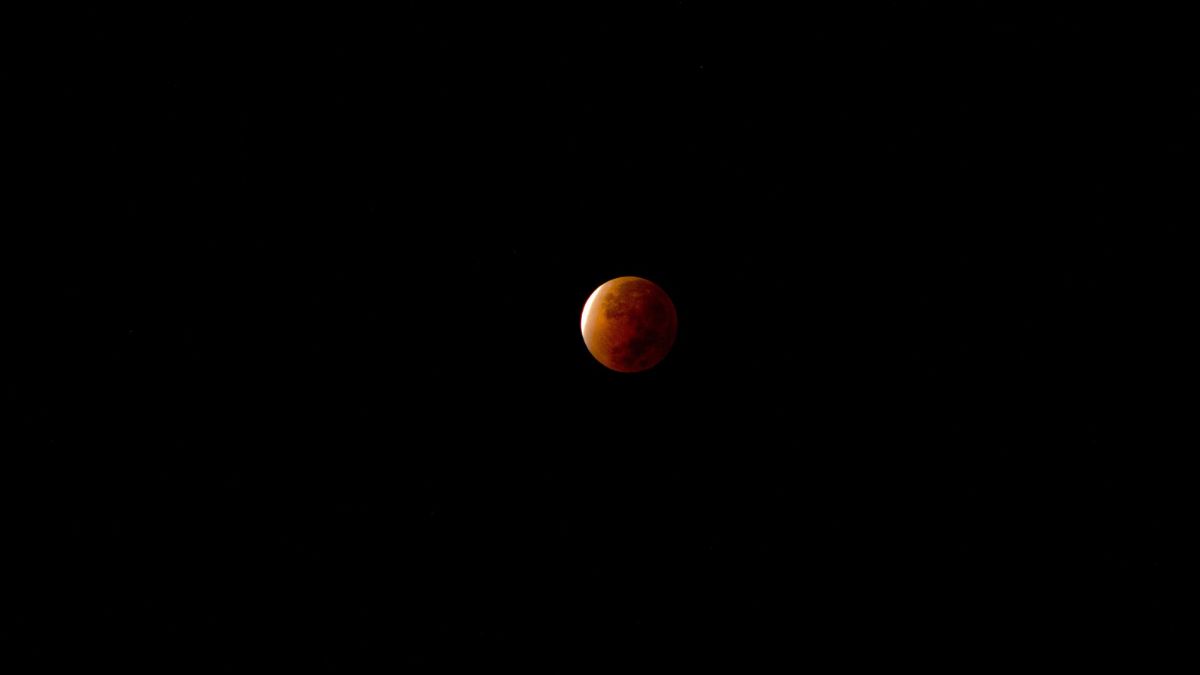
LUNAR ECLIPSE, also known as Chandra Grahan is going to take place in November 2022 being the second eclipse of the year 2022. A lunar eclipse occurs when the Moon moves around the Earth's shadow while the Sun, Moon and Earth are aligned or very closely with the Earth between the other two. This event usually takes place on a full moon night when the moon is close to the lunar node.
This total lunar eclipse will be visible from Asia, Australia, North America, parts of Northern and eastern Europe and South Africa. Read below the various types of lunar eclipses and the rarest ones. NASA Moon shared the details of the upcoming lunar eclipse on November 08, 2022.
On November 8, 2022, the Moon will pass into Earth’s shadow and turn red. This will be the last total lunar eclipse for about 3 years, so be sure to check it out if it’s visible in your area.
— NASA Moon (@NASAMoon) October 27, 2022
Learn more: https://t.co/zetjapudzV pic.twitter.com/PJ0AuQrfEC
Types of Lunar Eclipses
Lunar eclipses generally take place at the full moon phase. Three kinds of solar eclipses take place: Total, Partial and Penumbral.
1. Total Lunar Eclipse
Recommended For You
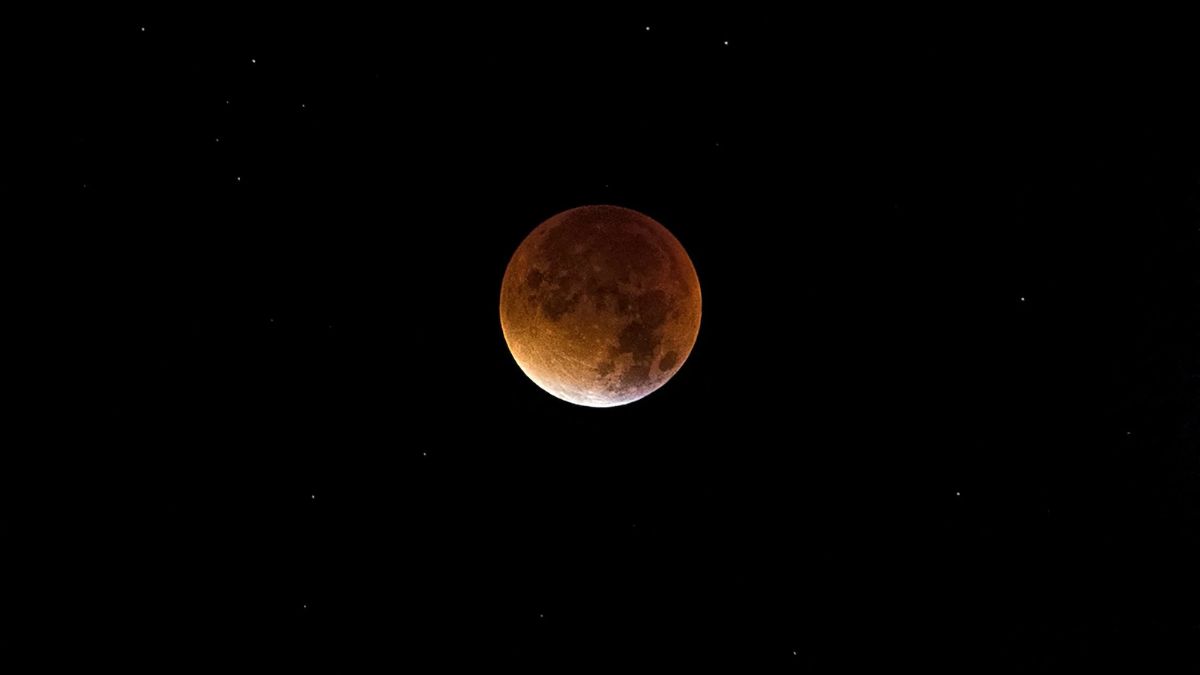
A total lunar eclipse occurs when Earth's umbra, the central, dark parts of its shadow, covers all of the Moon's surface. This results in Moon getting a red-orange glow caused by the umbral shadow of the Earth. The reason for the reddish colour of the Moon is that the Sun's light passes around the circumference of the Earth. The last lunar eclipse of the year will be observed on November 8. Before that, the last lunar eclipse was witnessed on May 16, 2022.
2. Partial Lunar Eclipse
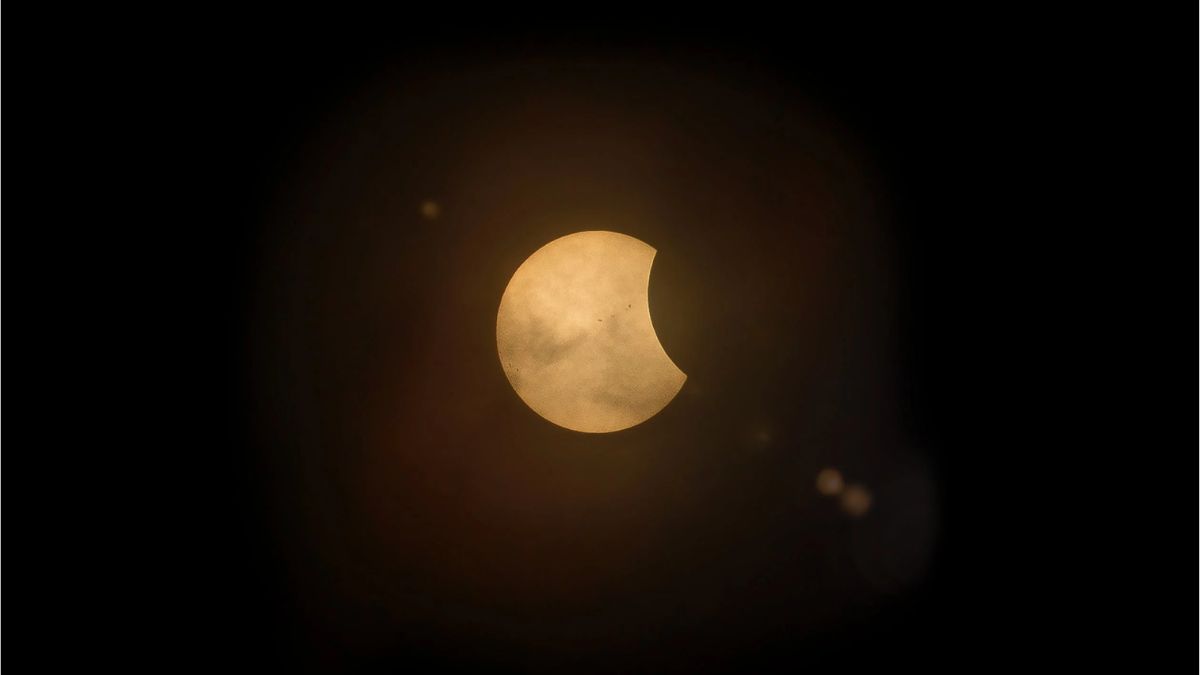
During the partial lunar eclipse, only a part of the Moon enters Earth's shadow. Earth's shadow appears dark on the side of the Moon facing Earth. The partial solar eclipse was noticed in 2021, from North and South America, parts of Europe and Asia and Australia.
3. Penumbral Lunar Eclipse
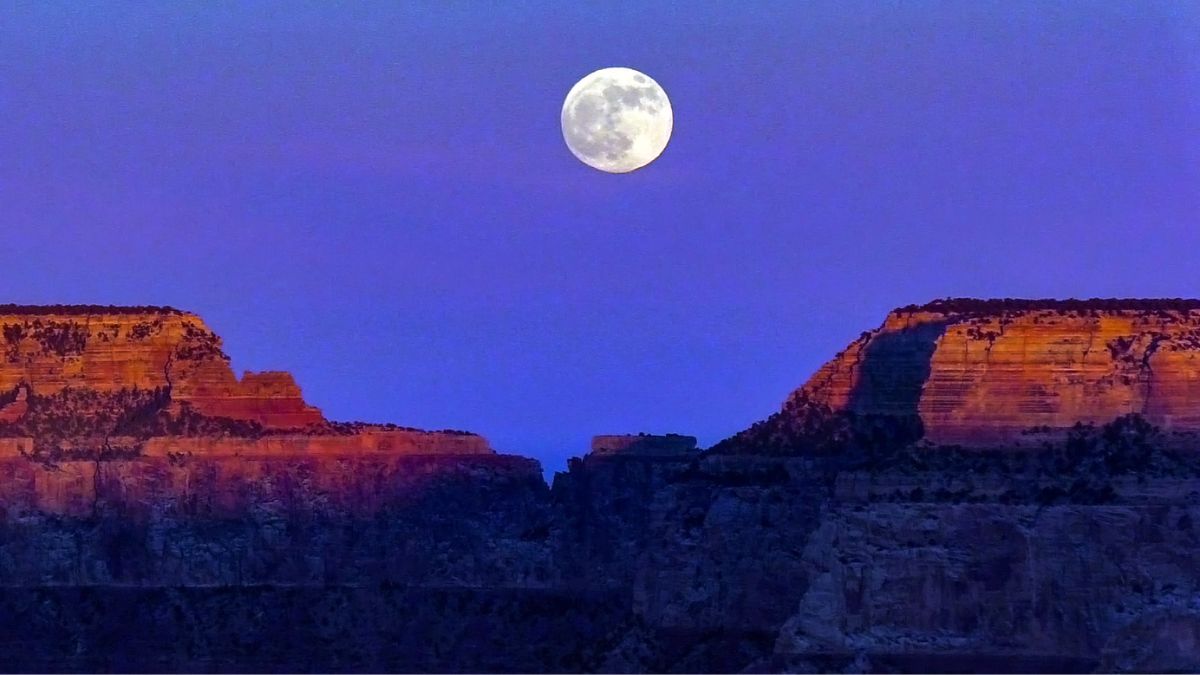
According to NASA, during a penumbral lunar eclipse, the Moon travels through Earth’s penumbra or the faint outer part of its shadow. The Moon dims so slightly that it can be difficult to notice. The faint outer part of Earth`s shadow is cast across the lunar surface. This type of eclipse is not as dramatic as the other two and can be difficult to see. A Penumbra lunar eclipse will be witnessed in May 2023 in some parts of South/East Europe, Asia, Africa, Australia and Antarctica.
Which one is rare?
A special type of Penumbral lunar eclipse when the Moon lies within the penumbra of the Earth is a rare lunar eclipse. When these total penumbral eclipses happen, the portion of the Moon which is closest to the umbra of the Earth may appear darker than the rest of the lunar disk.
Central Lunar Eclipse
This is one of the total lunar eclipses that occurs when the Moon passes the centre of the Earth's shadow, approaching the anti-solar point. This lunar eclipse is relatively rare.