
Escaping Delhi’s severe smog requires verifying that your chosen destination is truly free of high levels of pollution. Choose smart planning strategies like confirming air purifier availability in rooms, and checking highway visibility conditions on roads before you leave for a smog and pollution free trip away from Delhi.
5 Things To Check Before Booking Your Next Trip To Escape Smog
Factors to evaluate before booking your tickets and accommodations for a pollution-free vacation. Checking these tips will ensure your holiday is a true breath of fresh air away from Delhi’s hazardous smog.
1. Verify Real-Time AQI
Many popular plains and hills, including towns in Punjab, Haryana, and low-lying parts of Uttarakhand suffer from agricultural smoke throughout high AQI time.
Do not rely on generic state-level weather forecasts. Check real-time AQI tracking apps specifically for the exact town or valley you plan to visit, ensuring readings consistently remain in the ‘Good’ to ‘Moderate’ green zone (under 50–70 AQI).
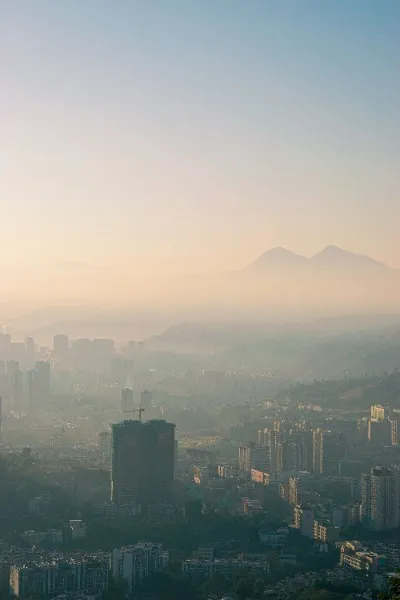
Verify real time AQI (Image Credits: Pexels)
2. Aim For Sufficient Altitude
Heavy winter smog is cold and dense, typically settling below 4,000 to 5,000 feet. Destinations situated too low in the hills can remain covered in smog for weeks.
Choose high-altitude hill stations or retreats where thermal inversions break. It grants you unobstructed sunshine and clean, crisp air for your trip away from pollution.
3. Assess Highway Conditions
Driving or taking early-morning trains through the NCR into neighbouring states often involves going through zero-visibility toxic smog and heavy highway congestion, which adds hours of exposure.
Review highway visibility advisories, consider direct flight to clean-air destinations, or schedule road travel for afternoon when the sun has temporarily cleared ground-level fog and smog.
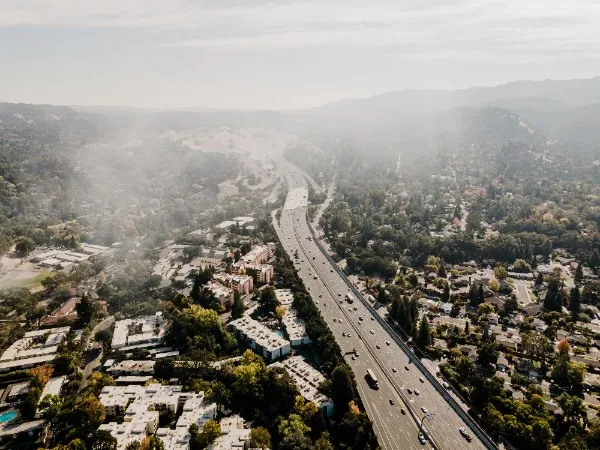
Check Highway conditions (Image Credits: Pexels)
4. Confirm Property Ventilation
Older heritage properties, homestays, and budget stays often rely on open ventilation, fireplace smoke, or unsealed window frames that let evening valley chill and outdoor smoke straight into living spaces.
Call the property manager in advance to inquire if common areas and rooms feature modern climate control, well-sealed windows, or indoor air filtration systems, especially if you are travelling with children or older adults.
ALSO READ: 5 Places In South India For A Surprise Trip With Your Girlfriend This Winter
5. Check Local Burning Practices
A remote destination may seem clean on paper, but localised waste burning, evening bonfire emissions, or seasonal crop clearing in surrounding fields can spike AQI levels during evenings and early mornings on your trip.
Check recent visitor reviews or connect directly with local hosts to confirm whether the area has clean-air standards and whether outdoor activities like hikes, open-air dining, and balcony views are currently free of smoke.

Check local customs before travelling (Image Credits: Pexels)
Checklist Item | What to Check | Why It Matters |
1. Local AQI | Town-specific real-time AQI apps (aim for <70). | Broad weather reports miss agricultural smoke. |
2. Elevation | Stays situated above 5,000–6,000 feet. | Escapes dense smog trapped below thermal inversion lines. |
3. Transit Route | Afternoon highway travel or direct flights. | Avoids zero-visibility morning smog and toxic road delays. |
4. Room Sealing | Tightly fitted windows, climate control, or HEPA filters. | Prevents outdoor chill and open fireplace soot indoors. |
5. Local Burning | Recent reviews for trash, crop, or bonfire smoke. | Prevents sudden evening AQI spikes in quiet valley towns. |
ALSO READ: Escaping The Smog: 5 Getaway Destinations Where You Can Actually Breathe This Winter 2026
FAQs
At what minimum elevation should I book a stay to completely escape winter smog?
Recommended For You
Stay above 5,000 to 6,000 feet for your trip to escape smog. Dense, cold winter pollution typically settles below 4,000 feet due to thermal inversions, leaving lower hill towns just as smog filled as the plains.
How can a remote village experience high pollution spikes despite having no traffic?
Rural areas often rely on nighttime waste burning, localised crop-residue fires, and wood or charcoal stoves for heating. In cold valley regions, this smoke has no wind to disperse it, causing sharp evening and early-morning AQI spikes.
What questions should I ask a hotel or homestay about indoor air before booking?
Ask whether guest rooms have tightly sealed windows, reverse-cycle heating, and active HEPA air purifiers. You can also confirm whether the property uses indoor wood-burning fireplaces, which can raise indoor carbon monoxide and soot levels.