

Foods To Avoid In Monsoon: The digestive system is sensitive during monsoons, as humidity and changing weather affect digestion, and there is also a risk of foodborne infections from bacterial and fungal spread. This is why certain foods should be consumed with extra caution. Therefore, here are 5 foods to avoid this rainy season.
5 Foods To Avoid In Monsoon:
1. Curd
Curd is a healthy food, but in rainy conditions, it is not recommended for everyone as it may lead to frequent colds, sinus problems or digestive problems. It's also more prone to bacterial contamination when stored at room temperature during the monsoon's damp conditions.

Curd (Image Credit: Canva)
2. Cucumber
Cucumbers are over 95% water, and while they're refreshing in summer, they don't fare well in the monsoon. Their high water content combined with the season's humidity can disrupt digestion and increase the risk of bloating. Additionally, raw cucumber can also be contaminated with microbes if it is not handled and stored properly.
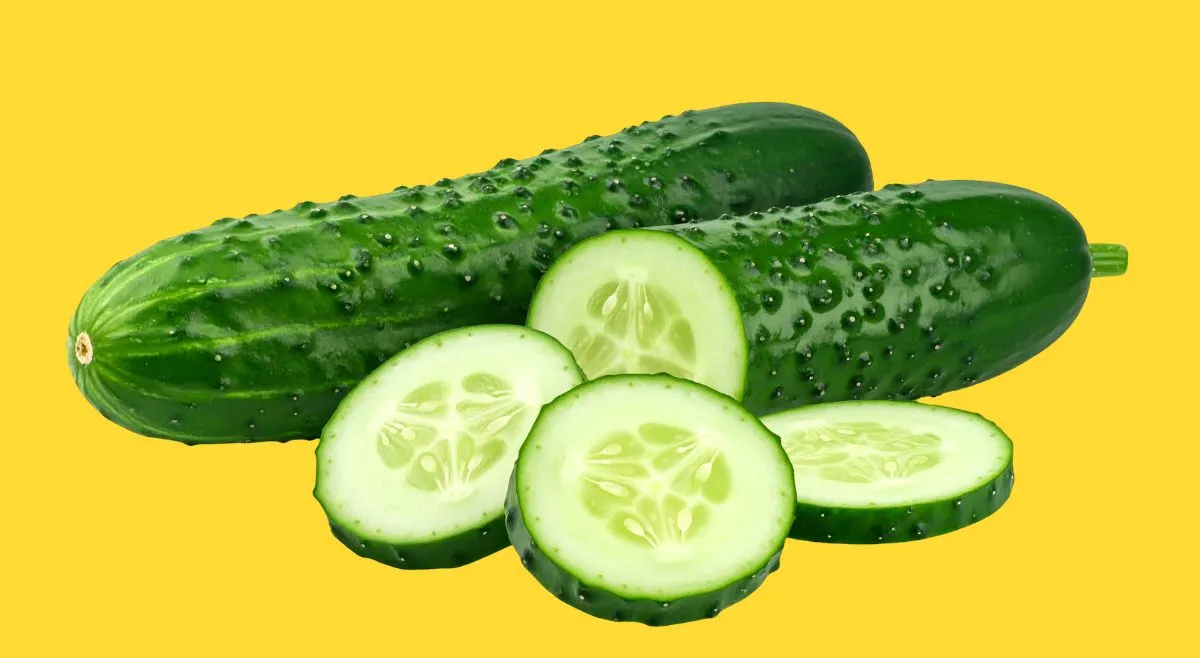
Cucumber (Image Credit: Canva)
3. Leafy Greens
Spinach, cabbage, and other leafy vegetables are breeding grounds for bacteria, insects, and parasites during the monsoon. Mud, moisture, or very small insects can get stuck in the leaves, meaning it is crucial to wash all vegetables thoroughly in salted or vinegar water and cook them well and fully avoid eating them raw.
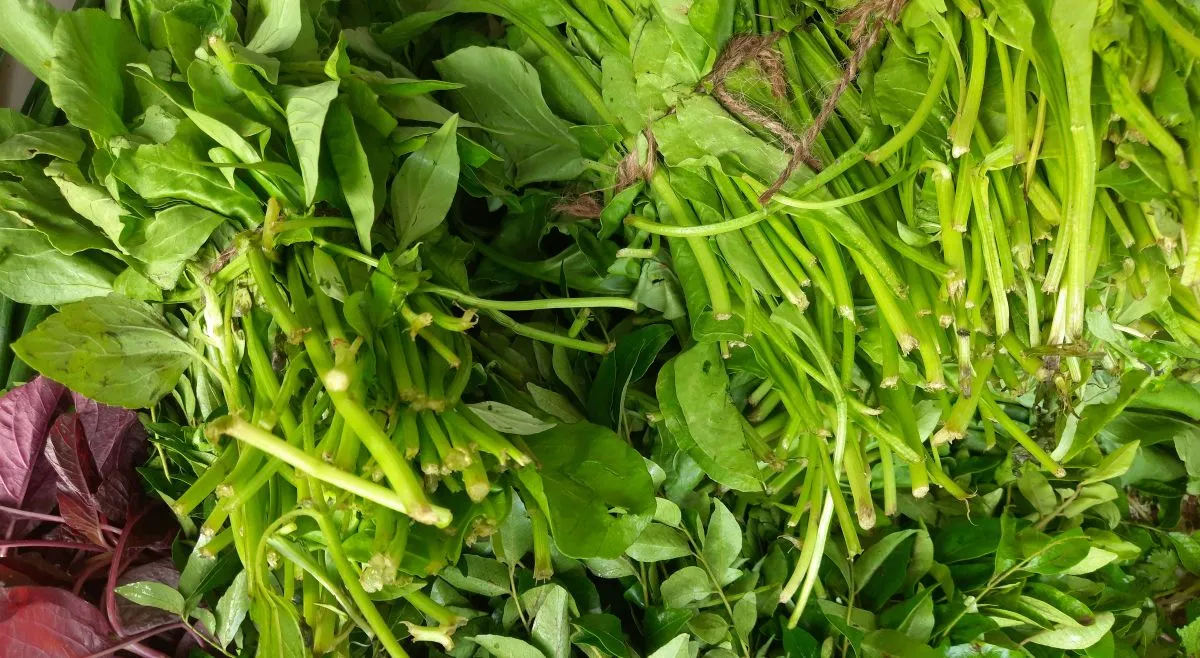
Leafy Greens (Image Credit: Canva)
4. Pre-cut Fruits And Vegetables
Also, avoid fruits that are cut outside your home, because such fruits might be exposed to dust, moisture, and flies. They perish within a few hours or may get contaminated if hygiene is neglected. Therefore, wash all raw fruits and vegetables thoroughly right after bringing them home.
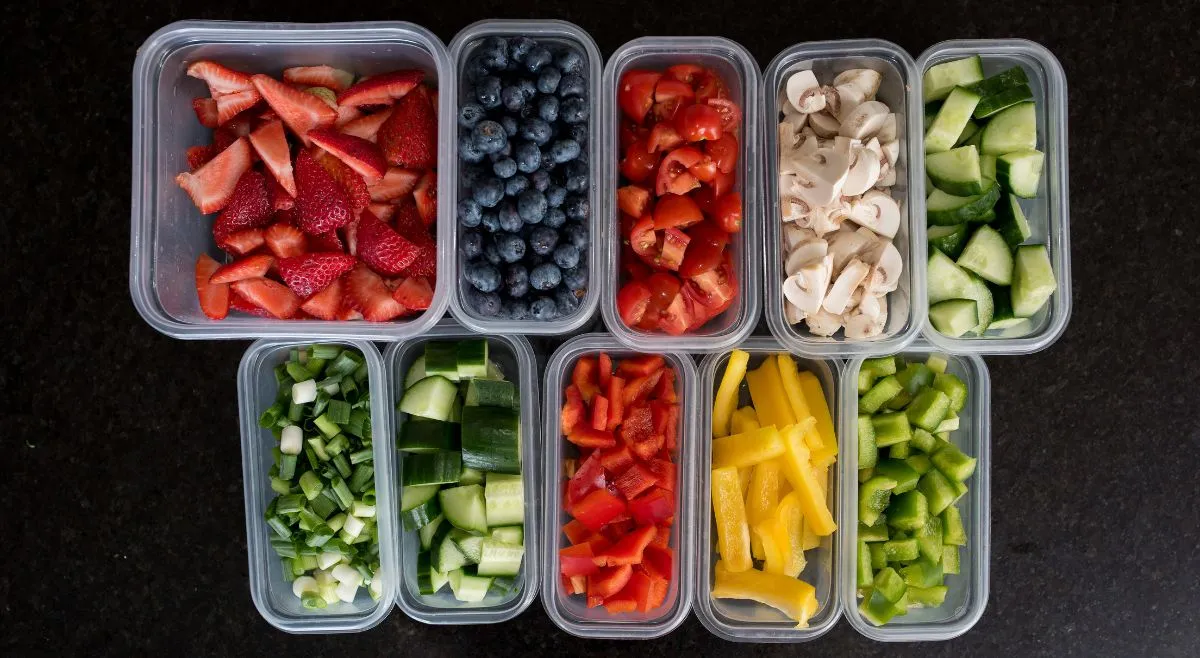
Pre-cut Fruits And Vegetables (Image Credit: Canva)
5. Deep Fried Food
Avoide deep fried snacks and street food in monsoon season. We crave junk food in wet weather more than ever before, but it is possible that such food is prepared in unhygienic surroundings, or the oil is used repeatedly in cooking, increasing the risk of stomach infection. Oily food and spicy food are more difficult to digest and can contribute to acidity, bloating or other digestion issues, particularly for those with sensitive stomachs.

Deep Fried Food (Image Credit: Canva)
Additionally, foods that are left out at room temperature should not stay there for too long, because they can become the active breeding ground for pathogens and toxic microbes. And honestly, it’s not really possible to fully disinfect every bacterial toxin just by reheating the food.
Quick Tips for a Healthy Monsoon Diet
According to Dr Pratyaksha Bhardwaj, World Record Holder Dietitian and Weight Management Expert, “The aim is not to eliminate fruits and vegetables but to make informed choices and eat them in a better way. Ensuring a healthy gut in the monsoon season is actually pretty doable; all you need to do is to be mindful of choosing what you eat.
She also added, “Think fresh foods, seasonal fruit with thicker skins, warm soups, steamed greens, and drinking enough water throughout the day. Keep your meals balanced with moderation, don’t forget good food hygiene, and use proper storage too. Those who suffer from diabetes as well as elderly people, children and people with poor immune systems should refrain from eating and drinking outside during the monsoon period.”
My Takeaway
Lastly, Monsoon doesn’t mean eating less food but choosing healthier options like freshly prepared food, whole-grain options, cooked vegetables and pulses, along with adequate protein. In the battle against seasonal infections, it's also essential to ensure standard hygiene practices in the kitchen with safe drinking water. The most important aspect to understand is that ideally, people should not fear certain foods but must focus on the role of cleanliness and mindfulness.