
World Mental Health Day 2023: Every year, the global campaign of World Mental Health Day is observed on October 10 to raise awareness and educate people about mental health illnesses. The overall objective of this day is to educate, aware, promote and advocate mental health awareness and eliminate stigmas attached to it. World Mental Health Day was first observed in 1992 at the initiative of the World Federation for Mental Health, an organisation with members from more than 150 countries.
Mental health is the foundation of the overall health and well-being of an individual. When a person goes through a mental illness or disorder, it impacts his/her daily functioning abilities. In conversation with Jagran English, Sandeepa Kaur, a Licensed Clinical Psychologist highlighted the impact of bad mental health on a person’s daily functioning. Bad mental health impacts our overall functioning in three ways which include personal functioning, social and occupational functioning. Here are 10 ways in which deteriorating mental health impacts your functioning abilities.
Watch the video below about how to tell your parents about your mental health disorders:
Ways Bad Mental Health Affects Daily Functioning
1. Emotional Turmoil
According to Dr Kaur, poor mental health often leads to a rollercoaster of emotions. From persistent sadness to overwhelming anxiety, these emotions can make even the simplest tasks seem overwhelming. People with poor mental health often struggle to express their emotions, connect with their feelings, and empathise with others' emotions.
2. Physical Health
Recommended For You
The undeniable mind-body connection becomes evident when poor mental health takes a toll on our physical well-being. It can materialise as persistent fatigue, disruptive sleep patterns, and even chronic pain. The ability to uphold personal health routines often wanes, further complicating the situation. Additionally, it can exacerbate preexisting health conditions such as diabetes, hypertension, and heart diseases.
ALSO READ: 5 Must-Watch Bollywood Films Dealing With Mental Health Issues
3. Low Self-Esteem

The mental health of an individual is a deterimntal aspect of overall health (Image Credits: Canva)
Self-esteem takes a hit when mental health deteriorates. People may start questioning their self-worth, leading to self-doubt and negative self-talk. This can hinder their ability to make decisions, set goals, and pursue personal growth.
4. Isolation
Social withdrawal is a common response to mental health challenges. Individuals might isolate themselves from friends and family, leading to loneliness, which further deepens their emotional distress. Isolation can hinder personal development and hinder the formation of meaningful relationships.
5. Relationship Strain
Poor mental health can strain relationships with friends, family, and significant others. Mood swings, irritability, and a lack of emotional availability can lead to conflicts and strained bonds.
6. Social Withdrawal
Avoiding social situations becomes a coping mechanism. This withdrawal can lead to missed opportunities for social support, networking, and personal growth. It might also create a sense of alienation from one's social circle.
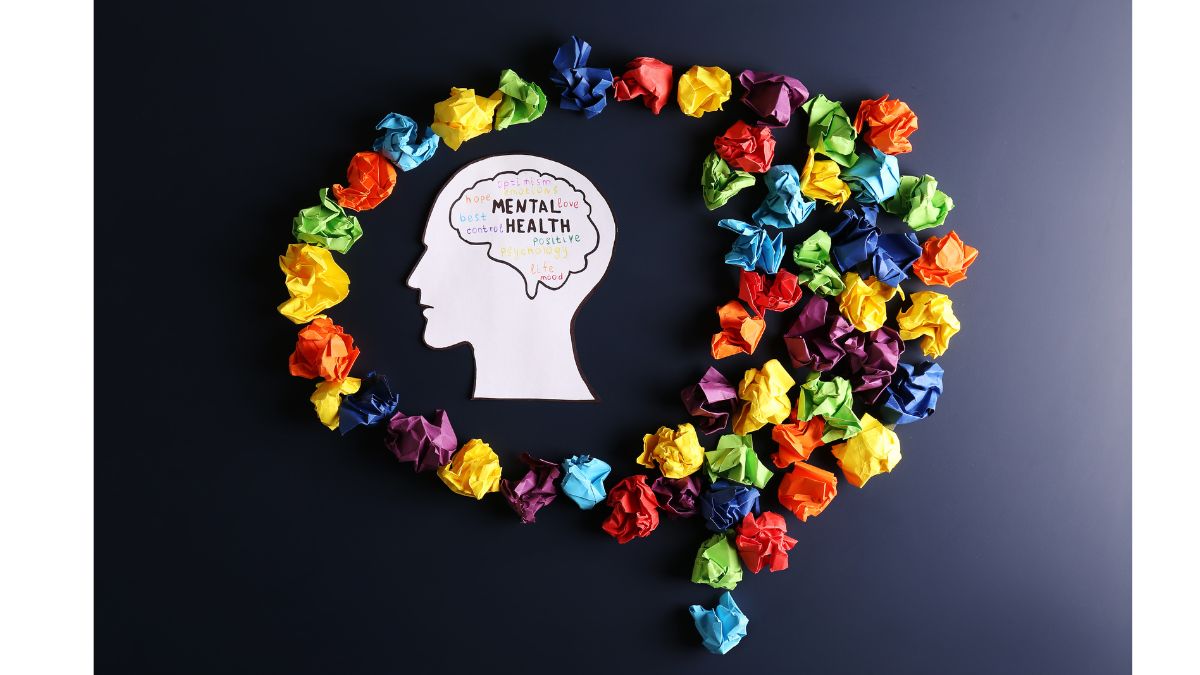
Mental health matters (Image Credits: Canva)
7. Communication Challenges
Effective communication is essential in any relationship. Mental health issues, however, can hinder one's ability to express themselves clearly or to understand others' perspectives. This communication breakdown can exacerbate misunderstandings and conflicts.
8. Stigma and Discrimination
Sadly, there is still a stigma associated with mental health. This stigma can lead to discrimination and social exclusion, further perpetuating a cycle of isolation and deteriorating mental health. This can also prevent them from seeking help which has a negative impact in the long run.
ALSO READ: Mental Health Tips: 5 Habits To Include In Your Regime For Stress Management
9. Decreased Productivity
In the workplace, poor mental health can lead to decreased productivity. Individuals may struggle to concentrate, make decisions, and complete tasks on time. This can lead to job dissatisfaction and potentially jeopardise one's career. This in turn can further impact their self-esteem.
10. Increased Absenteeism
Mental health challenges often lead to higher absenteeism rates, with individuals taking numerous sick days, both for physical and mental health reasons. This can detrimentally impact job performance and strain relationships with colleagues, as motivation to work may diminish.
Dr Kaur summarised by quoting that it is imperative to prioritise mental health, seek professional assistance when necessary, and foster a supportive environment that values and advocates for mental well-being. Recognising the profound influence of mental health on day-to-day life is an essential stride toward cultivating a healthier, happier society that empowers individuals to thrive in all aspects of their lives. By collectively acknowledging and addressing mental health challenges, we can build a more resilient and compassionate world where individuals are better equipped to navigate the complexities of modern life.