

Pitru Paksha 2026 began on September 26, 2026 (Purnima Shradh/Pratipada) and will conclude on October 10, 2026, with Sarvapitri Amavasya. During these 16 days, people honour ancestors (Pitrus) through Tarpan, Pind Daan, and Brahmin Bhoj.
The daily auspicious timings, Kutup and Rohina Muhurat, generally fall between 11:30 AM and 3:30 PM.
Let's understand the auspicious dates, their significance, and how to perform pind daan rituals in detail.
What is Pitru Paksha 2026?
Pitru Paksha is a sacred 16-day period when Hindus pay homage to their ancestors by performing shradh, tarpan and pind daan.
Performing Shradh during Pitru Paksha holds immense spiritual importance. According to various Hindu scriptures like Agni Puran, Garuda Puran and Vayu Puran, offering prayers, food and water to the departed soul ensures peace for them and removes obstacles that may arise from unfulfilled duties towards them.
Complete Pitru Paksha 2026 Shradh Calendar And Significance
Shradh / Tithi | Date (2026) | Significance |
Purnima Shradh | September 26 | For family members who died on a Full Moon day. |
Pratipada Shradh | September 27 | First day of Pitru Paksha; also for maternal grandparents (Nanaji/Naniji). |
Dwitiya Shradh | September 28 | For ancestors who passed on the 2nd tithi. |
Tritiya Shradh | September 29 | For ancestors who passed on the 3rd tithi. |
Maha Bharani Shradh | September 29 | Special tithi falling under Bharani Nakshatra; equivalent to performing Shradh at Gaya. |
Chaturthi Shradh | September 30 | For ancestors who passed on the 4th tithi. |
Panchami Shradh | September 30 | Highly auspicious for family members who died unmarried or on Panchami Tithi. |
Shashti Shradh | October 1 | For ancestors who passed on the 6th tithi. |
Saptami Shradh | October 2 | For ancestors who passed on the 7th tithi. |
Ashtami Shradh | October 3 | Spiritual significance for ancestors who passed on the 8th tithi. |
Navami Shradh (Avidhava) | October 4 | Dedicated to mothers, grandmothers, and women who passed away before their husbands. |
Dashami Shradh | October 5 | For ancestors who passed on the 10th tithi. |
Ekadashi Shradh | October 6 | Indira Ekadashi: A highly sacred day for seeking liberation (Moksha) for ancestors. |
Dwadashi Shradh | October 7 | For ascetics, sanyasis, or those who took renunciation. |
Trayodashi Shradh | October 8 | For deceased young children. |
Chaturdashi Shradh | October 9 | Specifically for ancestors who died by unnatural or accidental death (weapons, accidents). |
Sarvapitri Amavasya | October 10 | Most important day for all ancestors, especially if the death tithi is unknown or forgotten. |
Auspicious Timings: Daily Kutup And Rohina Muhurat
In the early morning, dawn, late evening, or at night, Shradh should never be performed. The auspicious timings to perform the rituals according to Drik Panchang start from:
Kutup Muhurat:11:45 AM to 12:35 PM- This is the most auspicious time to perform Tarpan.
Rohina Muhurat: 12:35 PM to 01:25 PM- Best time for Pind Daan
Aparahna Kaal: 01:25 PM to 03:50 PM- Ideal time to complete rituals and Brahmin Bhoj
Pro Tip: Check your local Panchang calendar to know the exact muhrat timings depending on your region.
Essential Pind Daan And Tarpan Rituals (Step-by-Step)
To offer Pitru Tarpana correctly, follow these canonical steps verified by Vedic tradition:
1. Purification and Attire: Wear clean, unstitched cotton clothes (like a dhoti), which are traditionally worn when performing pind daan or tarpan. Fasting until the ritual finishes is mandatory.
2. Kusha Grass And Black Sesame (Kala Til): Wear a ring made of Kusha grass on the ring finger. Black sesame seeds and barley are essential offerings. Never offer white sesame to ancestors.
3. Pind Daan Preparation: Prepare Pinds, cooked rice balls mixed with cow's milk, ghee, honey, and black sesame seeds.
4. Tarpan Offering: Offer water mixed with black sesame while reciting lineage mantras (Gotra and names of ancestors).
5. Panchbali Bhog (The 5 Essential Offerings): Before feeding Brahmins, set aside small portions of food for:
- Gao (Cow) – Represents mother earth
- Kutta (Dog) – Represents Yamraj's guardians
- Kauwa (Crow)– Acts as the messenger to the realm of ancestors
- Cheenti (Ants)– Represents the hard work and sustenance for living beings.
- Devatas – Divine forces
6. Brahmin Bhoj And Dakshina: Offer pure vegetarian food (avoid onions, garlic, brinjal, and iron utensils) to priests and offer Dakshina (alms).
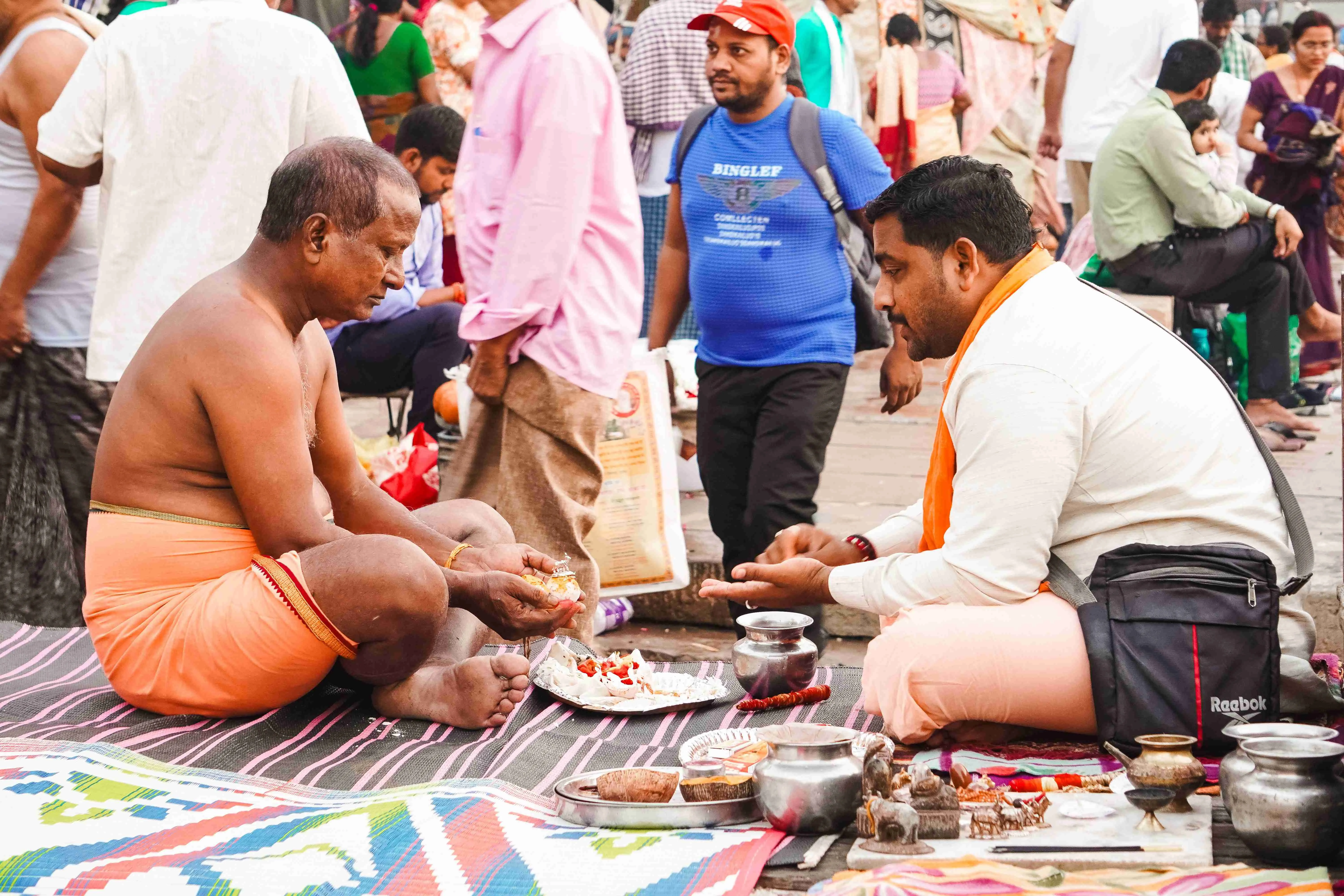
Wear clean, unstitched cotton clothes (like a dhoti), which are traditionally worn when performing pind daan or tarpan (Image: Pexels)
Do's And Don'ts During Pitru Paksha 2026
Do’s:
- Use brass, copper, silver, or wooden utensils for ritual offerings (avoid plastic and iron).
- Maintain strict celibacy (Brahmacharya) and peace at home.
- Donate food, clothes, umbrellas, and footwear to the needy.
Don’ts:
- Do not host auspicious events like weddings, housewarmings (Griha Pravesh), or buy new vehicles/property.
- Avoid eating non-vegetarian food, alcohol, garlic, onions, and lentils like chana or masoor because their dense, earthy properties can conflict with the purity of the rituals.
- Do not cut hair, nails, or shave during these 16 days if you are performing the main daily rituals.
These are the auspicious dates and muhurat timings to perform Shradh to honour the ancestors and bring them peace. Performing rituals at the right time attracts peace, prosperity and happiness in the household.
FAQs
1. What if I do not know the exact death date (Tithi) of my ancestor?
If the exact tithi is unknown, perform the Shradh on Sarvapitri Amavasya. It acts as a universal day to honour all ancestors.
2. Can women perform Pind Daan or Tarpan?
Yes. According to scriptures like the Garuda Purana, if no son or male lineage member is available, daughters or wives are fully eligible to perform Pind Daan.