
In Vedic Astrology, Saturn, also known as Lord Shani, is the Karma Karaka, the divine accountant of cause and effect. Many people think Lord Shani gives punishment. But in reality, he gives what a person deserves by analysing their past karma.
It is believed that Saturn's discipline removes illusions, aligns the soul with righteous actions, rewards hard work and balances the karmic debts from past lives.
Let's understand why Saturn is called the planet of karma in Vedic astrology.
1. Saturn Is The Karma Karaka (Significator Of Deeds)
In astrology, every planet indicates specific aspects of human life. Venus governs love, Jupiter rules wisdom, and Saturn rules hard work, action, and consequences.
Saturn keeps track of two types of karma: Prarabdha Karma: The portion of past-life karma allocated to be experienced in the current lifetime. Kriyamana Karma: The new actions you create right now through free will.
Because Saturn naturally rules the 10th House (career, public duty, actions) and the 11th House (gains, rewards from effort) in the natural zodiac, it dictates both what you do and what you will receive.
2. Shani As The Unbiased Cosmic Judge
In Hindu iconography and Vedic texts like the Brihat Parashara Hora Shastra, Saturn is portrayed as slow, dark, limp, and intensely disciplined.
He is the son of Surya (the Sun God) and Chhaya (Shadow), symbolising truth emerging from darkness. Unlike Mars, which acts on impulse, Saturn acts on justice.
He rewards selfless service, humility, hard work, and truthfulness. He punishes arrogance, deceit, laziness, and arrogance. Saturn is completely emotionless in its execution.
It doesn't hate you when it brings trial, nor does it favour you when it brings wealth. It simply clears your balance sheet.
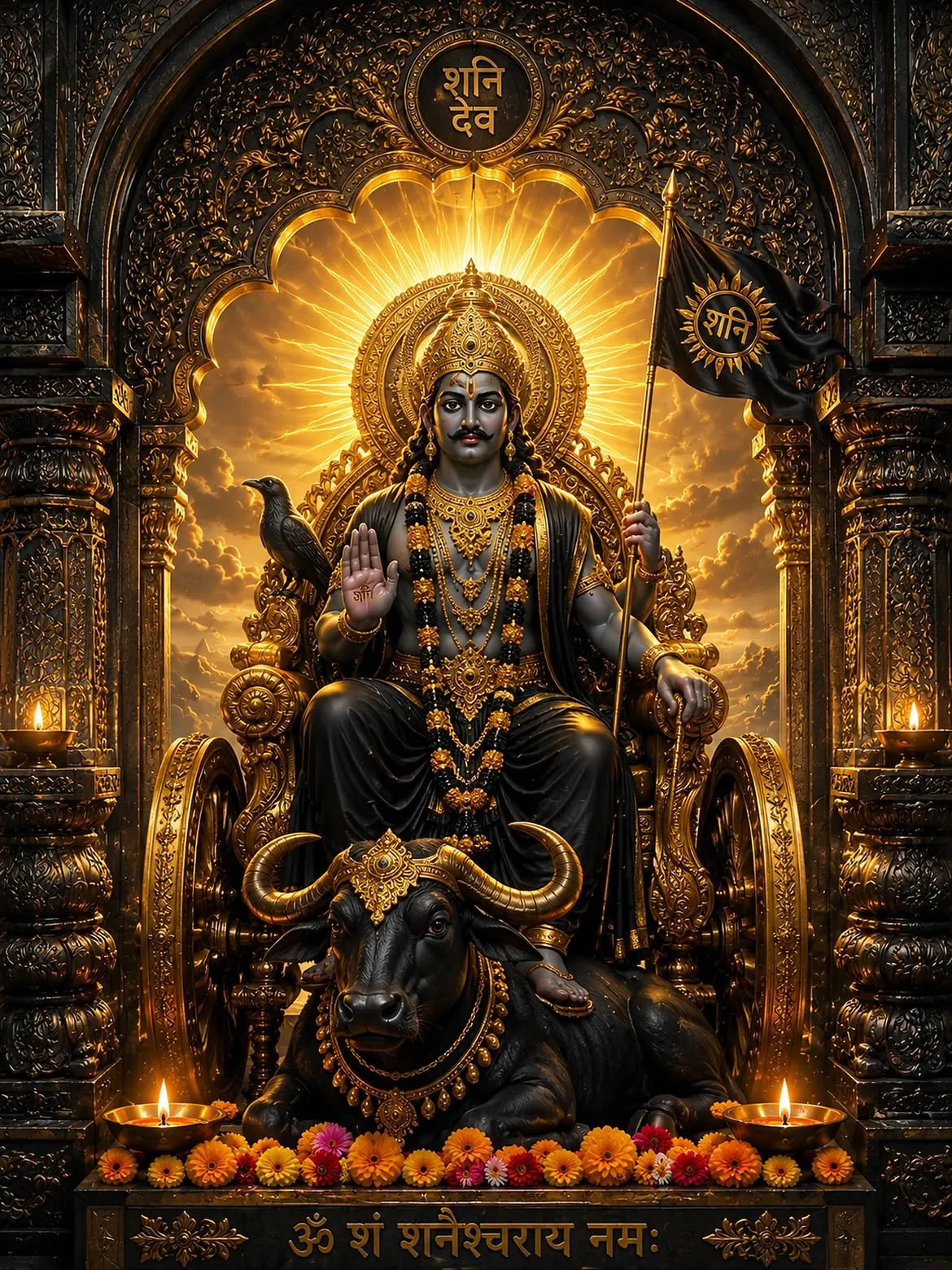
In Brihat Parashara Hora Shastra, Saturn is portrayed as slow, dark, limp, and intensely disciplined (Image: Instagram/devyug)
3. The Element Of Time And Delay
Saturn’s Sanskrit name, Shani, comes from Shanaye Kramati, which means 'the one who moves slowly.' It takes roughly 2.5 years to cross a single zodiac sign and 30 years to complete one orbit around the Sun.
Because it moves so slowly, Saturn’s karmic lessons require time, endurance, and patience. Saturn forces you to earn your results. Wealth, status, or spiritual growth gained under Saturn’s influence is permanent because it is earned through discipline.
Saturn's influence removes ego, illusions, and shortcuts, turning coal into diamonds.
ALSO READ: 7 Mukhi Rudraksha: Can It Help Reduce The Astrological Effects Of A Weak Saturn?
4. Karmic Testing Periods: Sade Sati And Transits
Saturn checks the karma of an individual through specific astrological periods:
1. Sade Sati: The 7.5-year period when Saturn transits the sign before, over, and after your natal Moon. This is the ultimate test where old debts are collected, ego is broken down, and the true character of a person is built.
Recommended For You
2. Saturn Mahadasha: It is a 19-year planetary cycle where themes of karma, discipline and restructuring are considered most active in a person's life.
Saturn does not punish a person but balances karma. It works as the ultimate teacher of reality. It reflects your own past actions to you like a mirror.

Saturn does not punish a person but balances karma (Image: Pexels)
ALSO READ: Why Do You Keep Attracting The Same Kind Of People? Here’s How To Break The Cycle
If you align yourself with its qualities of humility, patience, hard labour, and ethical conduct, Saturn's malefic effects are reduced, and it can grant you lifelong success and spiritual liberation.
FAQs
1. Is Saturn always considered a bad planet in astrology?
No. Saturn is called a Kroor Graha, or severe planet, but traditional Jyotish treats it as a strict teacher rather than a source of misfortune.
2. What is the difference between Saturn Mahadasha and Sade Sati?
Saturn Mahadasha is a fixed nineteen-year period tied to a person's overall dasha sequence, while Sade Sati is a roughly seven-and-a-half-year transit event tied specifically to Saturn's movement.
3. Is Saturn always negative? Can it give good results?
Saturn is not always negative. It may be challenging and slow to yield results, but when it finally does, the rewards are truly lasting