

In Hinduism, Havan holds immense spiritual significance. This sacred fire ritual is dedicated to Agni Dev and is performed before beginning any auspicious work. During Havan, many offerings are made by chanting hymns and mantras, followed by the word 'Swaha'.
It is believed that Havan or Yagya is incomplete if Swaha is not said. However, many of us still don't know the exact reason behind it. Let's understand in detail why ‘Swaha’ is said during Havan.
What Does 'Swaha' Actually Mean?
The word Swaha is derived from two Sanskrit words, 'Swah' meaning self and aha meaning spoken/offered. Thus, by saying Swaha, one makes a complete surrender to the divine.
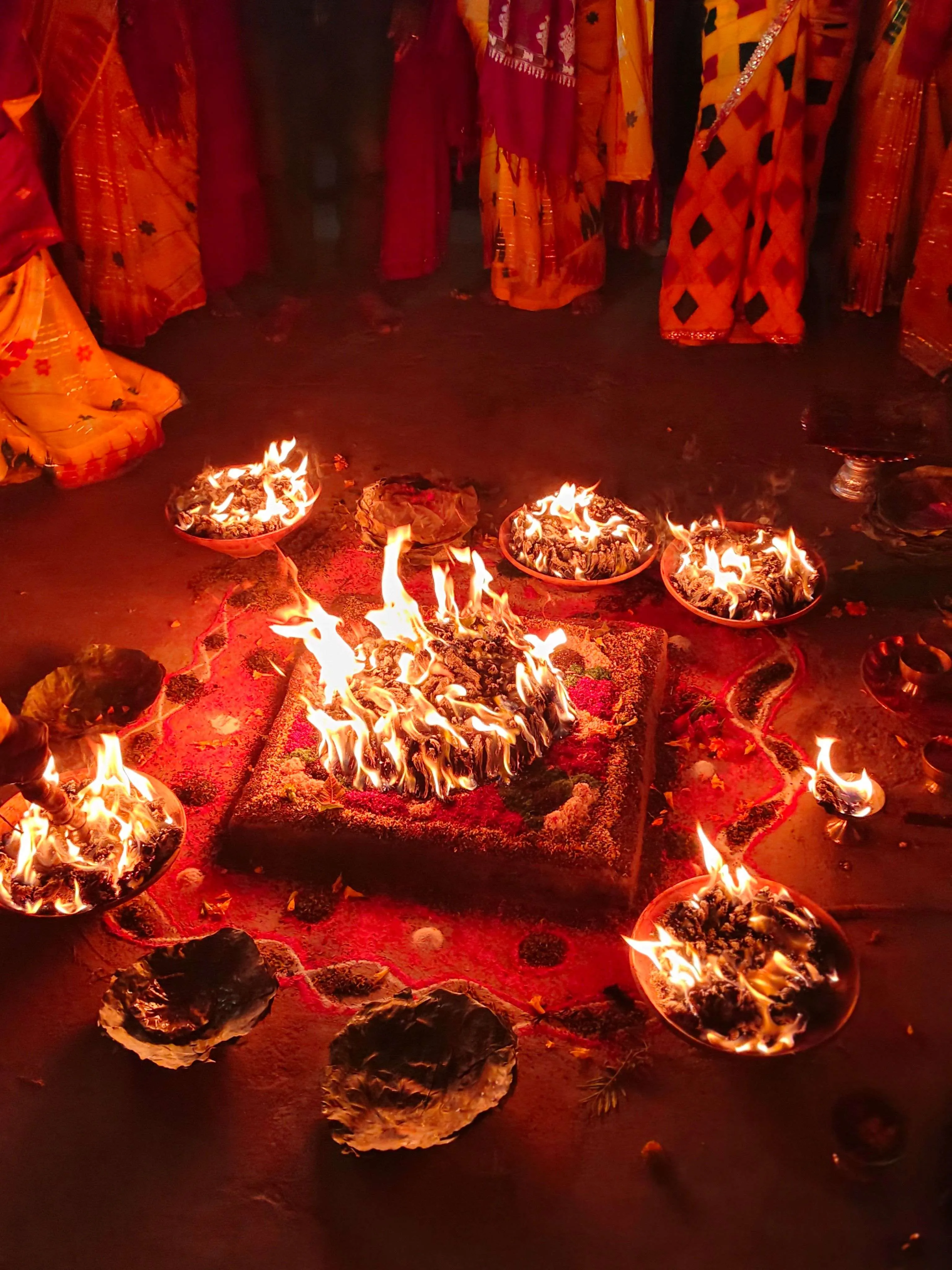
It is believed that Havan or Yagya is incomplete if Swaha is not said (Image: Pexels)
The Legend Of Goddess Swaha
There are many legends associated with Swaha, which is said during Havan. Some of them are:
Agni’s Indispensable Consort: According to mythology, Swaha is the daughter of Daksha Parjapati, who was married to Agnidev. Therefore, it is said that whenever any offering is made to Agni Dev, it should first go through her; only then will it wil be accepted by Agni Dev and reach the deities.
The Brahmavaivarta Purana Story: According to another legend, once there was a shortage of food among deities. To solve this, Lord Brahma provided a solution, saying that food should be delivered to the deities through Brahmins on earth.
For this, he chose Agnidev as a medium. However, he did not have the power to consume the bhasma, which resulted in the birth of Swaha. She was asked to stay with Agnidev so that the food from the Earth could reach the deities.
Lord Krishna boon: According to the third legend, Swaha originated as an art of nature. Lord Krishna blessed Swaha and said that any oblations that the deities are offered will not reach them until they are passed through Swaha.
ALSO READ: Why Do Hindus Look At Their Palms After Waking Up? Know The Meaning Of Karagre Vasate Lakshmi
The Spiritual Significance Of Swaha
- By saying Swaha during the havan, devotees offer gratitude to the cosmic world, harmonising all the five elements and building a well-balanced environment.
- By chanting Swaha, devotees invoke the divine blessings. It is said that the offerings made with the constant utterances of 'Swaha' are accepted by the divine forces.
- The constant repetition of Swaha helps devotees to establish a connection with the divine.
- The repetition of Swaha during Havan is believed to generate positive vibrations that resonate throughout the surroundings, creating a positive environment and removing the negative energy.
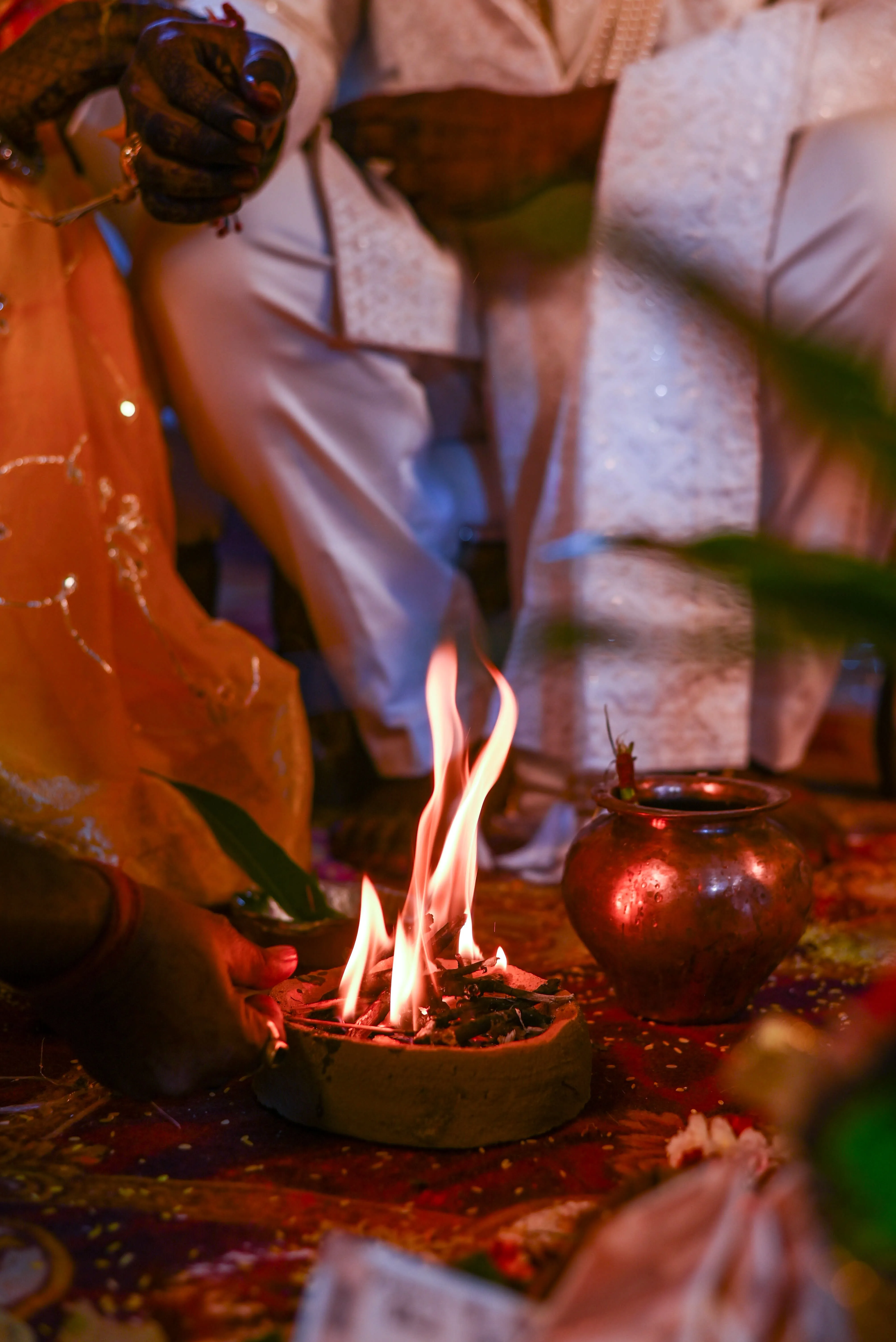
By saying Swaha during the havan, devotees offer gratitude to the cosmic world (Image: Pexels)
Difference between Swaha vs Swadha vs Vashat
Many times, people get confused between Swaha, Swadha and Vashat because all three are uttered during Havan to direct oblation to different cosmic entities.
Swaha is chanted during fire sacrifices to ensure offerings reach the deities.
Swadha is chanted during shradha ceremonies to honour ancestors;
The Vashat is uttered when the cup of Soma is offered, signifying the completion of the chant and recitation.
ALSO READ: Why Do Hindus Receive Prasad With Both Hands? Spiritual And Cultural Meaning
So, make sure to always chant Swaha after the offerings so that it can reach the deities.
FAQs
1. How can Havan contribute to our spiritual growth?
Havan rituals create a conducive environment for spiritual practices, fostering inner harmony, and promoting spiritual growth through self-reflection and devotion.
2. Can Individuals from different religious backgrounds participate in Havan rituals?
Yes, Havan rituals transcend religious boundaries and are open to individuals from diverse cultural and religious backgrounds.