
- By Kamakshi Bishnoi
- Mon, 27 Apr 2026 09:05 PM (IST)
- Source:JND
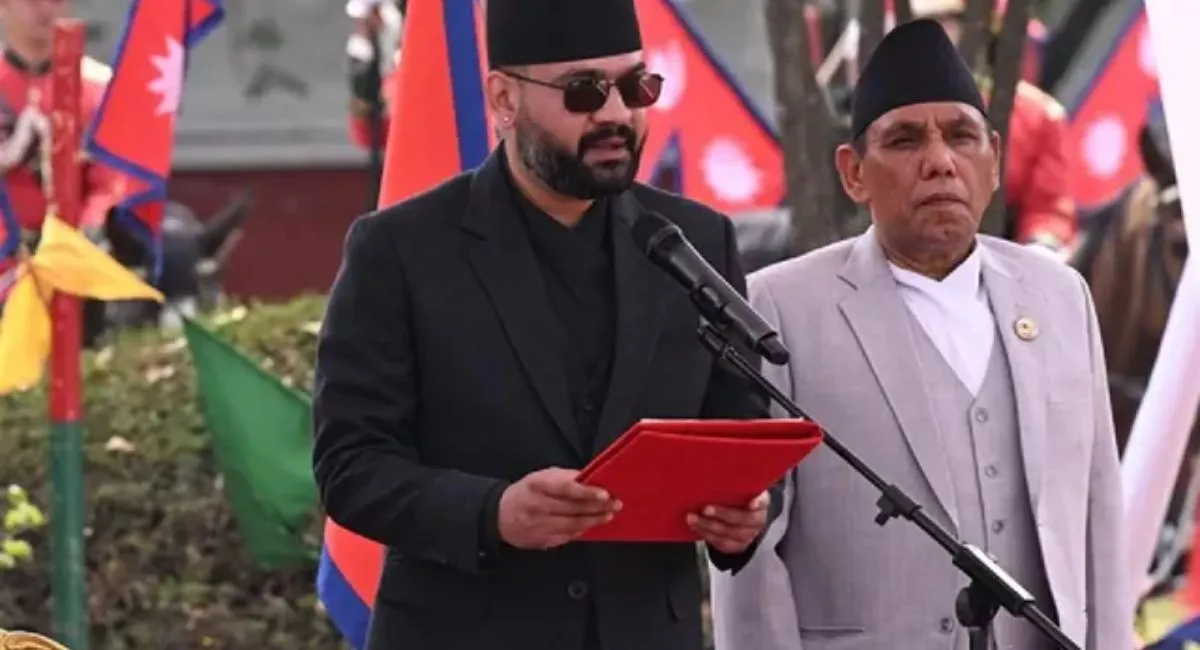
Balen Shah, once known for his song “Sadak Balak” in Nepal, has now emerged as the Prime Minister whose rapid and controversial decisions are reshaping the country’s governance.
Key Decisions and Political Actions
Within just 30 days of taking office, PM Balen Shah’s government has introduced a series of major directives that have triggered nationwide debate. Shortly after being sworn in on March 27, 2026, at Shital Niwas (Rashtrapati Bhavan), Kathmandu, the administration reportedly ordered the arrest of former Prime Minister KP Sharma Oli, sending shockwaves across political circles.
ALSO READ: Elon Musk’s $138 Billion Lawsuit Against OpenAI Enters Trial: Charges And Key Details
Following this, a directive was issued banning the display of political leaders’ photographs in government offices. At the same time, student politics was also prohibited, marking a significant shift in the political environment of the country.
Administrative and Policy Changes
The government also introduced sweeping reforms within the administrative system. A key order mandated that children of politicians and government officials must attend public schools, with the stated aim of reducing corruption and ending VIP culture.
In another major reform, the salary system for government employees was changed from monthly payments to a 15-day cycle, a move said to improve liquidity and boost administrative efficiency.
Trade, Public Reaction, and Growing Opposition
Attention later shifted to border trade and public regulation. The government in Nepal started enforcing taxes more aggressively for imported goods from India valued at more than Rs 100.
As a result of these new enforcement measures at international borders, protests erupted in border areas from both trade and general citizens regarding increasing prices and services that depend on those products received from India. It has also been expressed by critics that such measures would jeopardise the decades-old trade relationships between Nepal and India that are supported by longstanding cultural connections.
Evidence of civil discontent has also surfaced in recent weeks as two members of the Cabinet have resigned, and there has been a significant volume of criticism directed towards the decision-making process of the government. Those on the opposition side, including many Gen-Z members and students, have expressed concerns regarding the excessive centralisation of power and a “one-man leadership” philosophy within the government and the banning of student political groups within educational institutions.
While some people are supportive of these reforms because they will result in a modern-day Nepal and will result in less corruption within government, others question whether such rapid change will result in a strengthening of democratic principles within Nepal or whether it will cause Nepal to move toward an authoritarian-style regime.
You May Also Like To Watch: