

- By Ajeet Kumar
- Thu, 25 Jun 2026 02:00 PM (IST)
- Source:JND
- Europe faces brutal heatwaves with minimal home AC.
- Historical climate, old architecture, high energy costs hinder AC.
- Strict regulations and climate goals impact AC adoption.
Europe is currently baking under a brutal heatwave with temperatures reaching 44 degree Celsius. In France alone, officials have reported 40 drowning deaths in just five days as desperate residents dive into rivers, lakes, and pools to cool off. Yet, despite these extreme conditions, the continent lacks air conditioning at homes.
According to a CNN report, nearly 90 per cent of homes in the United States have AC installed, compared to just 20 per cent in Europe. In the UK, the number is 5 per cent.
While there are several factors behind this, the primary reasons include historical climate conditions, older architecture, high energy prices, bureaucratic red tape, and strict climate commitments.
Historical and geographical conditions
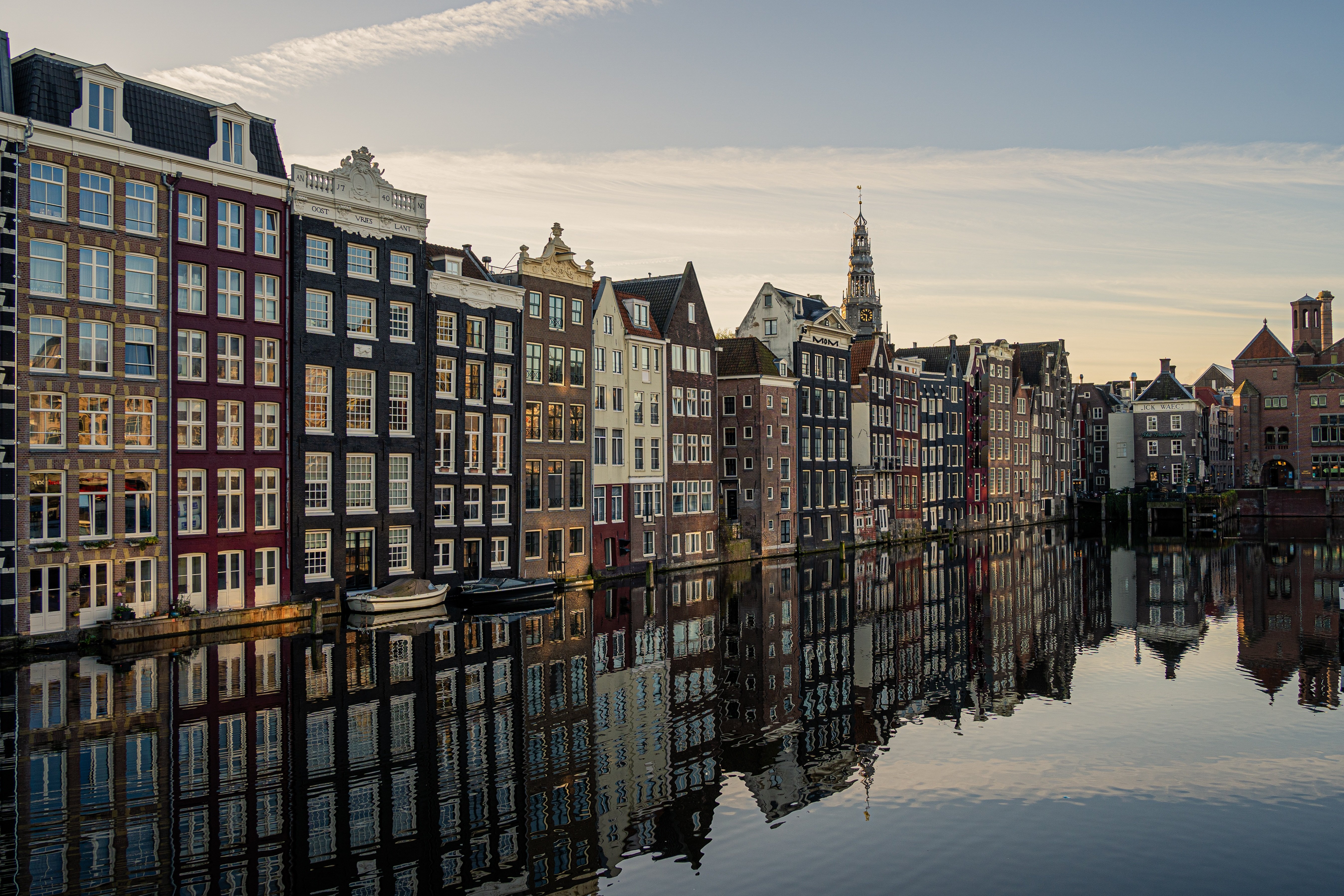
Historically, northern Europe has experienced far less intense sun exposure compared to southern regions, meaning there was little need for indoor cooling. Due to these geographic settings, severe heatwaves rarely reached the majority of the continent. However, this trend is changing at a rapid pace; the region is now experiencing prolonged high temperatures and increasingly intense heatwaves.
(Representational Image | CREDIT: Pixabay)
"In Europe… we simply don’t have the tradition of air conditioning… because up to relatively recently, it hasn’t been a major need," CNN quoted Brian Motherway, head of the Office of Energy Efficiency and Inclusive Transitions at the International Energy Agency, as saying. "We haven’t been in the habit… of thinking about how we stay cool in the summer. It really is a relatively recent phenomenon."
ALSO READ: Desperate Dive To Escape Extreme Heat Leads To 40 Drownings In France
Architectural challenges
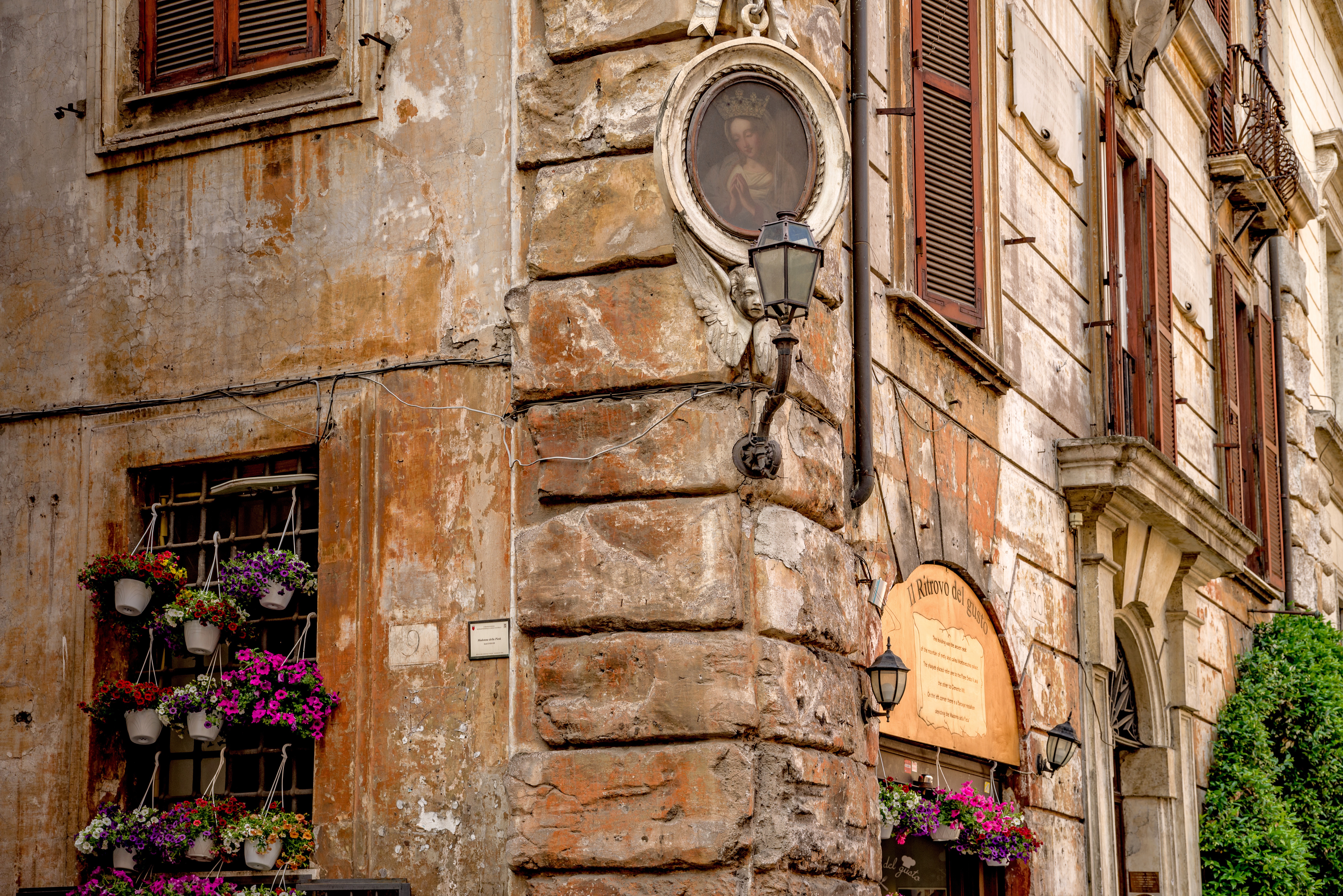
Some buildings in the historically hotter countries of Southern Europe were specifically designed to handle warm weather. They feature thick walls and small windows to block out direct sunlight, and their layouts are optimised to maximise natural airflow. This architectural design keeps the interiors naturally cooler, reducing the perceived need for artificial cooling.
(Representational Image: Pixabay)
Conversely, many buildings across the rest of Europe are incredibly old, built long before modern AC technology became mainstream. For instance, while England recently endured its hottest June on record, one out of every six homes there was built before the year 1900. Retrofitting these historic properties with central cooling is incredibly difficult.
AC is viewed as a luxury
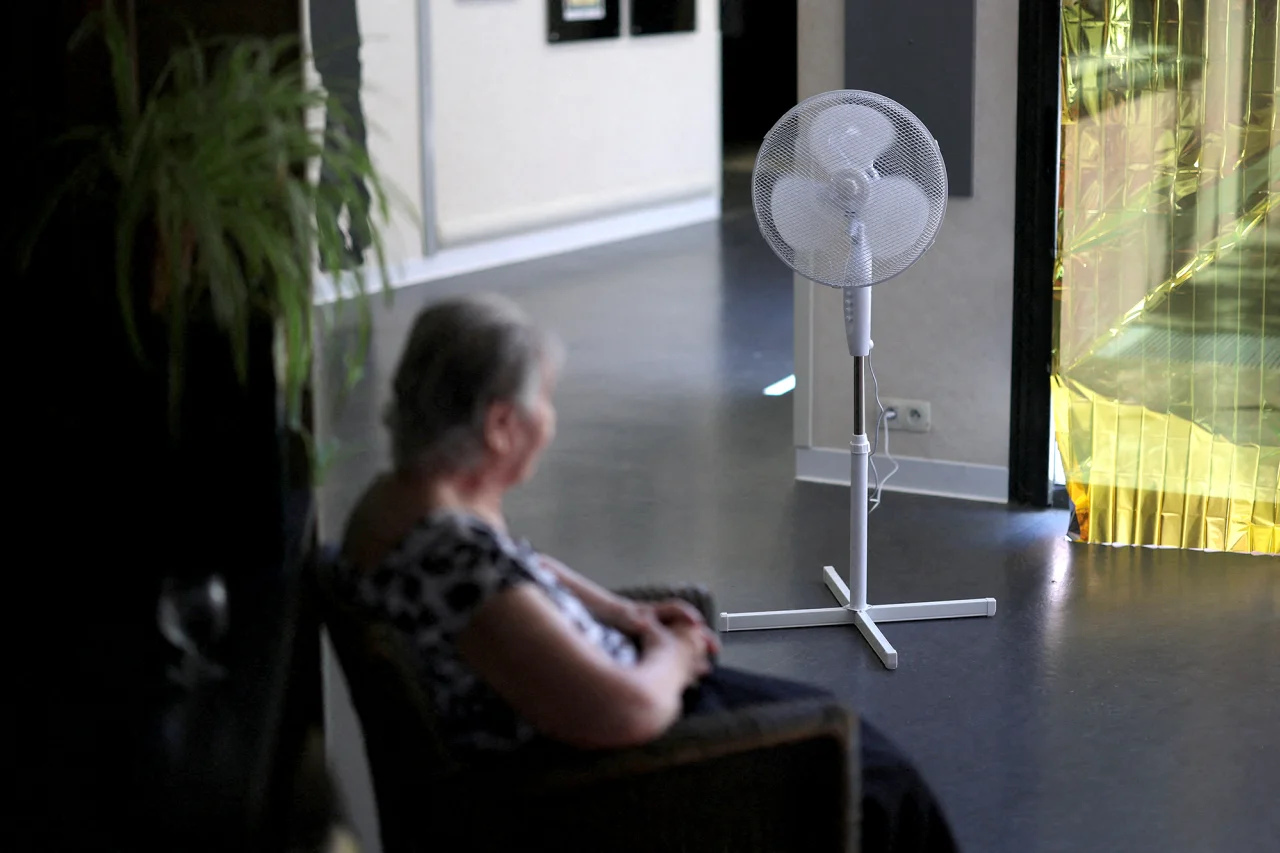
Because air conditioning is expensive to both install and operate, Europeans have traditionally viewed it as a luxury rather than a necessity. Furthermore, electricity costs are significantly higher in many European countries than in the US, even though average incomes tend to be lower. The ongoing economic ripple effects of the Russia-Ukraine war have driven energy prices even higher, making inflated electricity bills unaffordable for many ordinary citizens.
(Representational Image | CREDIT: Reuters)
Administrative complexity and climate goals
Installing AC in Europe’s older homes is also frequently complicated by strict local building codes and historic preservation regulations. Beyond the red tape, there is a major policy conflict: Europe has pledged to become entirely climate-neutral by 2050, and a sharp increase in air conditioner usage will make those green targets much harder to achieve.
Additionally, AC operate by venting internal heat outdoors, which directly raises local outdoor temperatures, an impact that is especially severe in Europe's densely populated cities. Nevertheless, as the continent warms at a rapid pace, traditional attitudes are beginning to shift, and more Europeans are starting to reconsider their stance on AC.