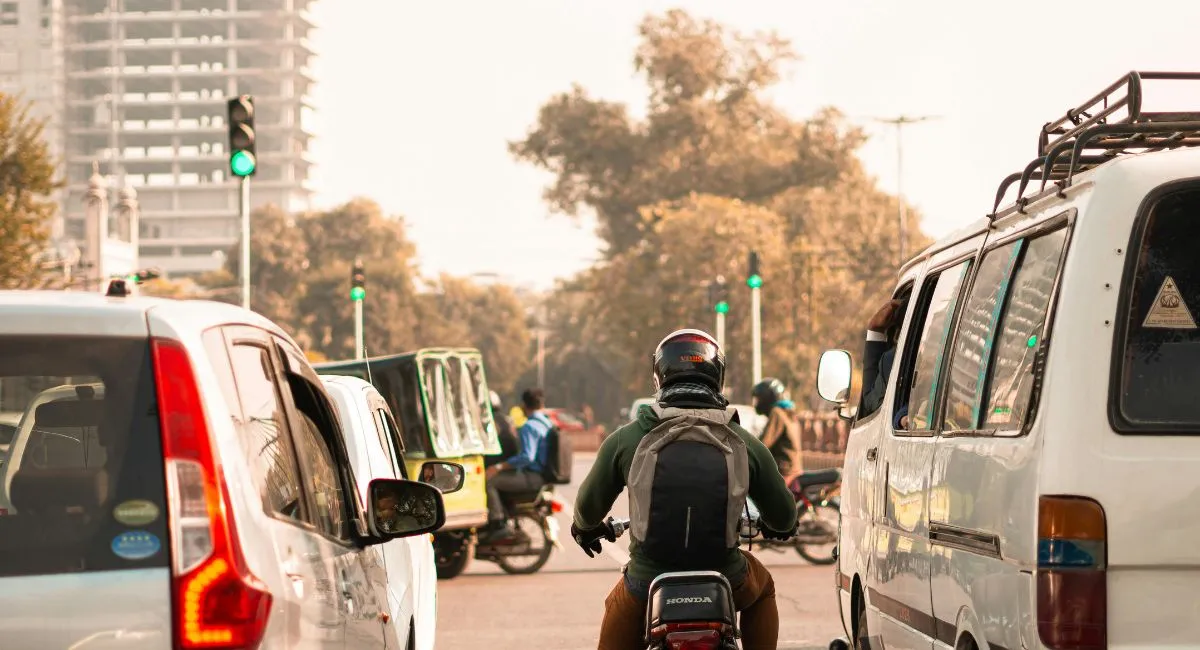
- Traffic violations could lead to higher vehicle insurance premiums.
- Government proposes longer duration insurance policies for cars, bikes.
- Uninsured vehicles may be denied fuel in pilot project.
Car and bike owners in India may soon have to pay more for vehicle insurance if they repeatedly violate traffic rules. The Centre is considering linking insurance premiums to traffic offences, introducing longer-duration policies and restricting fuel purchases by vehicles without valid insurance.
The Ministry of Road Transport and Highways is examining these proposals to increase insurance coverage and improve compliance with road safety rules. The proposed changes could affect how motorists purchase and renew their policies, although they are yet to be finalised.
Traffic Challans Could Make Vehicle Insurance Costlier
The ministry is working on a proposal to link motor insurance premiums with traffic violations recorded against vehicle owners during the previous year.
If implemented, drivers with multiple traffic violations could potentially pay a higher insurance premium at the time of renewal. The insurance premium may be based on the details of the number and severity of the violations against a vehicle owner.
Recommended For You
The idea is supposed to make drivers think twice before driving dangerously or breaking traffic rules, but no one knows yet which offences will result in the bigger costs and how much the cost will rise.
Four-Year Insurance For Cars, Six-Year Cover For Two-Wheelers
The government is also considering introducing long-term motor insurance policies with a single premium payment.
Under the proposal, car owners could purchase insurance for four years, while bike and scooter owners could opt for six-year policies. This would allow vehicle owners to maintain insurance coverage for longer without having to renew their policies every year.
The ministry is also examining changes to the base premium rates for certain vehicle categories, including electric vehicles (EVs).
It is important to note that the Supreme Court has separately directed that new private cars must have four-year third-party insurance and new two-wheelers six-year third-party insurance. The ministry's proposal for longer-duration single-premium policies is a separate development.
No Insurance, No Fuel: Pilot At 10 Petrol Pumps
The move for 'no insurance, no fuel' could deny uninsured vehicles access to buying fuel.
The Supreme Court Committee on Road Safety has directed the Ministries of Road Transport and Petroleum to initiate a pilot project at five petrol pumps in Haryana and Uttar Pradesh.
These petrol pumps will have an ANPR camera. The camera will scan the number plates of vehicles to see if they are insured.
If implemented, the system could prevent uninsured vehicles from purchasing fuel at participating petrol pumps.
How Many Vehicles In India Have Valid Insurance?
According to government data, nearly 25 crore active vehicles in India have valid insurance, accounting for around 81 per cent of vehicles currently on the road.
Insurance coverage differs across vehicle categories:
- Heavy commercial vehicles: More than 90 per cent have valid insurance.
- Cars: Around 88 per cent have valid insurance.
- Two-wheelers: Approximately 80 per cent have valid insurance.
- Three-wheelers: Only around 57 per cent have valid insurance.
ALSO READ: Tampering With Number Plate To Avoid Toll? Govt Plans Up To 8 Times Fees As Penalty
Three-wheelers have the lowest insurance coverage among these categories, highlighting the challenge of ensuring that all vehicles comply with mandatory insurance requirements.
Why Is The Government Planning These Changes?
Third-party motor insurance is a legislated requirement under the Motor Vehicles Act, 1988. It offers coverage against third-party liabilities caused by injury or death of another person or damage to third-party property in a road accident.
Obtaining compensation for victims and families of accidents involving uninsured vehicles will not be easy. The legislation is designed to ensure more insurance coverage and more insured vehicles.
All these variations to pricing and the insurance system at large are still under review. The implementation timeline has not yet been announced nationwide.