
- By Priyanka Koul
- Tue, 08 Sep 2026 07:34 PM (IST)
- Source:JND
- PM Modi inaugurated two new sections of the expressway.
- Around 150 km of the 379 km route is now operational.
- It improves connectivity for Surat, Navsari, Bharuch, Ankleshwar.
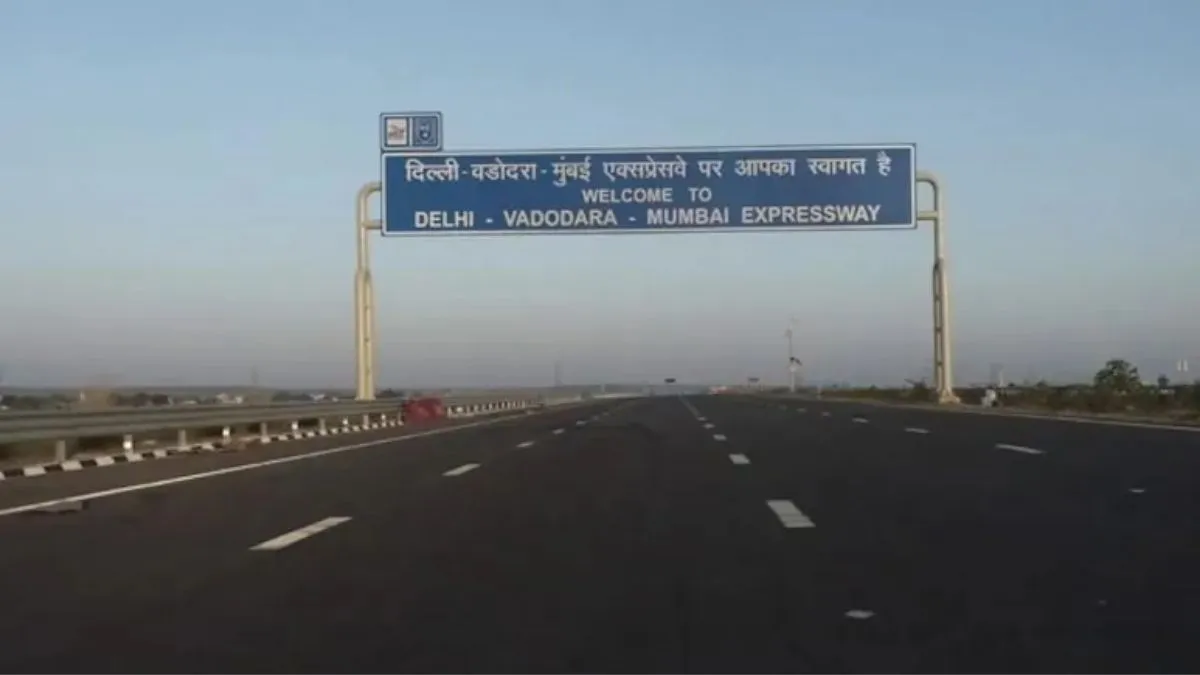
Vadodara-Mumbai Expressway: The Vadodara-Mumbai Expressway has reached another major milestone with the inauguration of two new sections by Prime Minister Narendra Modi on Tuesday. With the latest stretch's openings, around 150 km of the 379-km-long expressway is now operational.
The newly inaugurated sections cover key stretches between Vadodara, Bharuch, Ankleshwar, Surat and Navsari, significantly improving connectivity across South Gujarat.
However, construction work is still underway on the Valsad-Vapi section in South Gujarat, along with the Palghar, Virar and JNPT sections in Maharashtra. The entire Vadodara-Mumbai Expressway is expected to be completed by 2027-28.
Vadodara-Mumbai Expressway: Newly Opened Sections
The newly operational corridor includes important sections of the larger Delhi-Mumbai Expressway project. The Kim-Ena section covers around 36 km, connecting the Kim Interchange with the Ena Interchange near Surat.
Another 27.5-km Gandeva-Ena section runs from the Ena Interchange to the Gandeva-Kharel Interchange near Navsari.
Together, these two sections account for approximately 63.5 km of the eight-lane, access-controlled greenfield expressway.
The opening of these stretches has strengthened high-speed connectivity between Vadodara and major commercial and industrial centres in South Gujarat.
Vadodara-Mumbai Expressway Route
The Vadodara-Mumbai Expressway is an important part of the 1,350-km Delhi-Mumbai Expressway (NE-4), one of India's largest expressway projects.
The broader Delhi-Mumbai corridor begins in the Delhi-NCR region and connects with major highways and expressways, including the DND Flyway and Kundli-Manesar-Palwal (KMP) Expressway.
From Haryana, the route passes through several important locations in Rajasthan, including Dausa and Kota. It then enters Madhya Pradesh, passing through Ratlam and Mandsaur before reaching Gujarat.
In Gujarat, the corridor passes through Dahod, Godhra and Vadodara, before continuing towards Bharuch, Ankleshwar, Kim, Surat and Navsari.
The route will continue through Valsad and Vapi before reaching Maharashtra and the Mumbai region, including the JNPT area.
ALSO READ: Yamuna Expressway: Locals To Get Toll-Free Travel From Sept 17; Check Required Documents
Vadodara-Mumbai Expressway: Connectivity to Surat and Navsari
The newly opened sections will provide faster and more direct connectivity to Surat and Navsari.
The expressway is expected to make travel between Vadodara, Bharuch, Ankleshwar, Kim, Surat and Navsari significantly smoother by providing an access-controlled alternative to existing highways.
Key Benefits of the Vadodara-Mumbai Expressway
- The expressway will connect with the Ahmedabad-Vadodara Expressway (NE-1) at Vadodara, providing a high-speed route between the Delhi-Mumbai corridor and Ahmedabad and Gandhinagar.
- The Delhi-Mumbai Expressway connects with the DND Flyway and KMP Expressway, creating an alternative high-speed route for traffic travelling between Delhi-NCR and western India.
- The expressway will provide Jaipur with improved direct connectivity to the Delhi-Mumbai corridor, reducing dependence on existing highway routes.
- The corridor will also improve expressway connectivity between the Delhi-NCR region and Noida International Airport at Jewar, providing an important link for passengers and freight movement.
- The Malwa region of Madhya Pradesh will be connected to the corridor through a four-lane link passing through Garoth, Ujjain and Indore.
- On the Maharashtra side, the corridor will connect with major road infrastructure, including the Mumbai-Nagpur Samruddhi Expressway and Mumbai-Pune Expressway.
- It will also provide connectivity towards key locations such as Amane, Virar and JNPT, strengthening the road network between Mumbai, Maharashtra's industrial areas and the Delhi-Mumbai corridor.
The new corridor will also help divert traffic, particularly heavy commercial vehicles, from the old Mumbai-Ahmedabad National Highway (NH-48).
This could reduce congestion on NH-48 while improving travel times between major cities and industrial centres in Gujarat. It will cut travel time and improve connectivity to major port-based industrial hubs in South Gujarat, including Surat, Dahej, Ankleshwar and Hazira, which are important centres for the textile, diamond and chemical industries.