
Udaipur: The early diagnosis and treatment of Non-Communicable Diseases (NCDs) in children, particularly Type 1 Diabetes (T1D), are crucial for improving care and quality of life. This was the key takeaway from a high-level meeting held in Udaipur, organised by Breakthrough T1D, a leading global Type 1 Diabetes research and advocacy organisation, in collaboration with Friends of Mewar and UNICEF.
The meeting, hosted by Padmaja Kumari Parmar, Breakthrough T1D Global Ambassador, brought together various stakeholders including representatives from Breakthrough T1D, UNICEF, Friends of Mewar, clinicians, civil society organisations, and members of the ImPatient Network, a coalition of individuals living with T1D. The discussion centred around the growing burden of NCDs in India, where they account for 66% of all deaths, with 22% being premature.
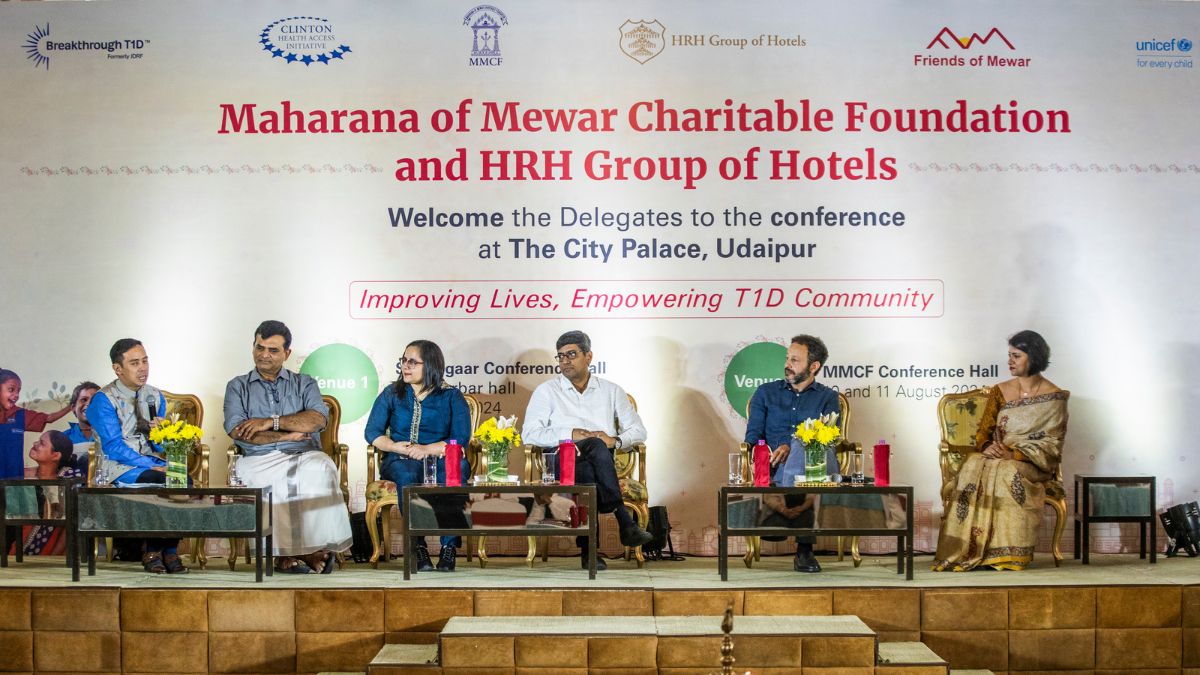
Padmaja Kumari Parmar stressed the importance of timely healthcare access for managing NCDs like T1D, noting that collaboration among stakeholders is essential for improving health outcomes for at-risk children. "This partnership is crucial for ensuring that children with NCDs receive the care and support they need for generations to come," she said.
Recommended For You
UNICEF India Representative Cynthia McCaffrey highlighted the rising incidence of NCDs among children and adolescents in India, emphasising the need for urgent attention. "Children and youth from vulnerable communities are at the greatest risk," she noted, adding that integrating NCD care into primary healthcare systems is critical for effective early detection and treatment.
Early diagnosis and treatment of Non-Communicable Diseases (NCDs), including Type 1 Diabetes, are crucial for improving care and the quality of life.
— UNICEF India (@UNICEFIndia) August 9, 2024
Today, experts gathered at a high-level meeting organized by @BreakthroughT1D, Friends of Mewar in collaboration with UNICEF… pic.twitter.com/aOWZMbL5Jc
Dr Stephanie Pearson, Senior Director of Global Access at Breakthrough T1D, shared insights from the T1D Index, a data simulation tool that highlights the impact of T1D globally, particularly in India. "The current situation in India presents both challenges and opportunities for action," she said.
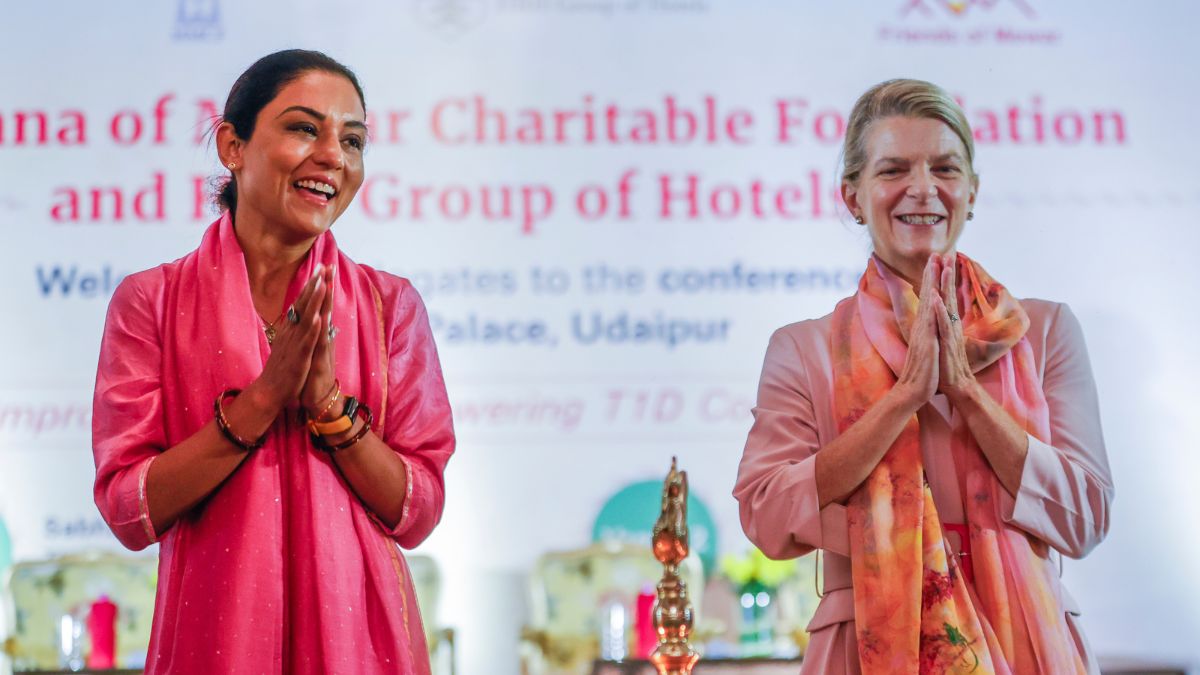
Mridula Kapil Bhargava, Founder of Diabetes Fighters Trust, called for government and stakeholder action to ensure access to necessary treatments like insulin and blood glucose monitoring, especially for vulnerable populations.
UNICEF plans to support India's National Program for Prevention and Control of Non-Communicable Diseases (NP-NCDs) through policy advocacy, partnerships, and community engagement, focusing on improving healthcare systems and reducing mortality rates among children.