

In Sanatan Dharma, Rudraksha Mala and Tulsi Mala both hold immense spiritual significance and are used by practitioners during spiritual practices to anchor japa (mantra chanting), the mind, build concentration and deepen their connection with the divine.
However, people get confused about which one they should choose to build a connection with the divine. The answer is that neither mala is universally 'better'. Each has its own purpose, and in many cases, they take the practitioner to different stages of their spiritual journey.
Let's understand in detail the difference between the two and the purpose they serve.
What is Mala?
A mala or prayer bead is more than an accessory. It is a spiritual tool that aligns one's energy, intention and breath. Whenever a person uses a mala to chant, the material of the mala, whether seed, wood, or crystal, interacts subtly with the body's energy field. That is why Vedic tradition often suggests choosing the material of the mala accordingly; one can invoke the deity and decide the outcome.
What Is A Rudraksha Mala?
Rudraksha mala is made by combining rudraksha seeds believed to be born from Lord Shiva's tears. It is popular among the Shaivite devotees and those who seek inner peace, strength, and spiritual growth. This mala is generally used by seekers for meditation, yoga, mantra chanting and spiritual practices dedicated to Lord Shiva.
Benefits of Rudraksha Mala
- Provides mental clarity and emotional stability
- Removes negative influences and reduces stress
- Supports deep meditation and inner transformation
- Strengthens willpower and self-discipline
What Is A Tulsi Mala?
Tulsi Mala, or Holy Basil, holds immense spiritual importance for Vaishnavites. Tulsi is believed to be the incarnation of Goddess Lakshmi, the divine consort of Lord Vishnu. Devotees wear Tulsi Mala as a sign of devotion, purity, and spiritual surrender. It is commonly used during chanting (japa) of mantras like the Hare Krishna Maha-Mantra.
Benefits of Wearing Tulsi Mala
- Brings harmony between mind and soul
- Increases devotion (bhakti) towards Lord Krishna and Vishnu
- Protects from negative energies
- Enhances focus during japa meditation
Difference Between Tulsi Mala And Rudraksha Mala
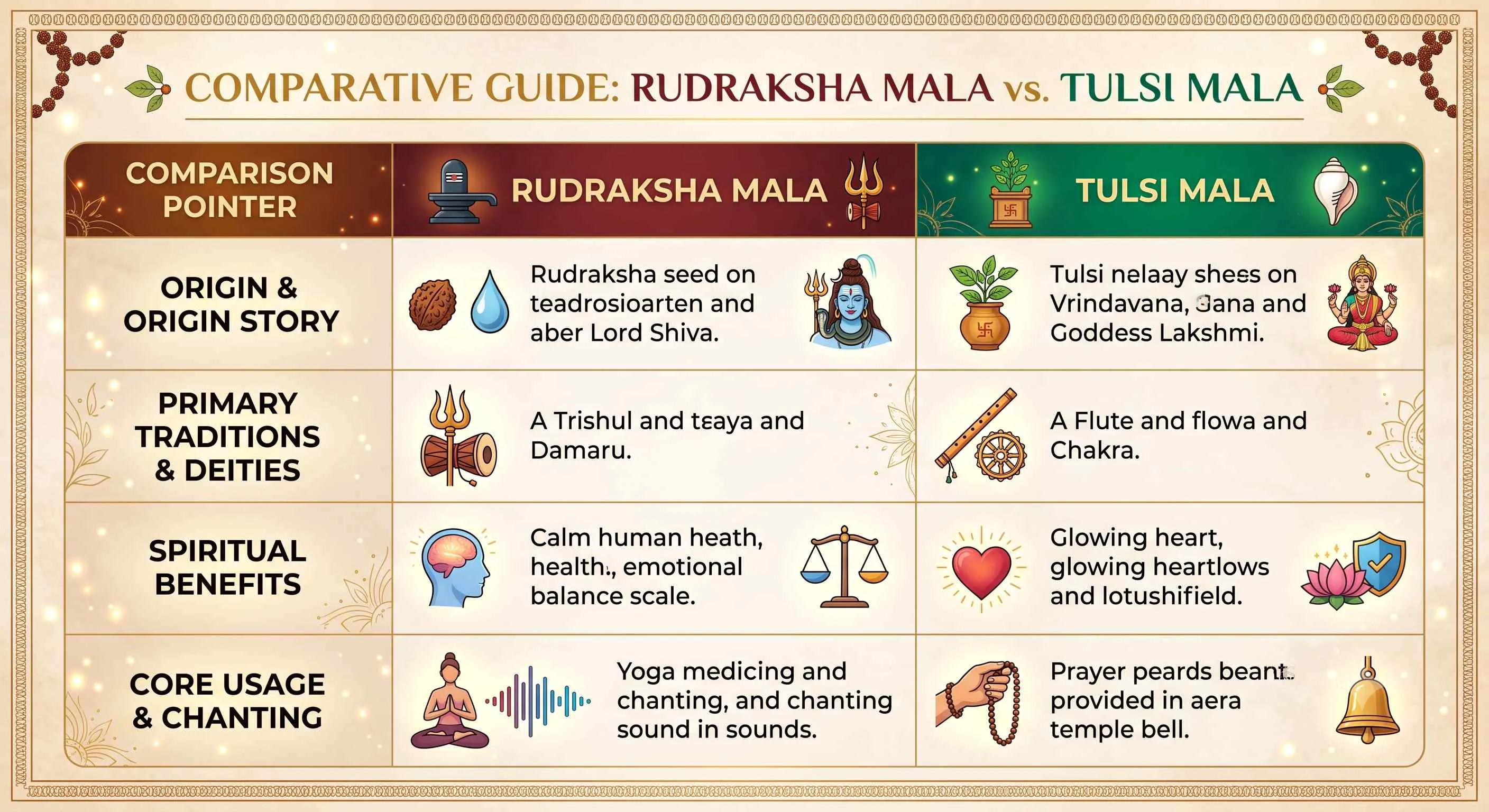
Rudraksha Mala and Tulsi Mala both hold immense spiritual significance and are used by practitioners during spiritual practices (Image: Gemini AI)
Which Mala Is Better For Chanting?
Rudraksha and Tulsi Mala have their own importance in mantra chanting. No one is better than the other. Seekers generally prefer Tulsi mala when chanting Lord Vishnu Mantras or Lord Krishna mantras, while Rudraksha is preferred when seeking Lord Shiva blessings or during meditation practices.
ALSO READ: Rudraksha For Career Success: 5 Beads Traditionally Associated With Leadership, Focus And Growth
Can You Wear Both Tulsi and Rudraksha Mala?
Yes. It is common to wear a Rudraksha mala around the neck for its protective, grounding energy while keeping a separate Tulsi mala reserved strictly for daily japa. The two malas are considered equal, since Lord Shiva and Lord Vishnu are both honoured equally and are considered equally powerful.
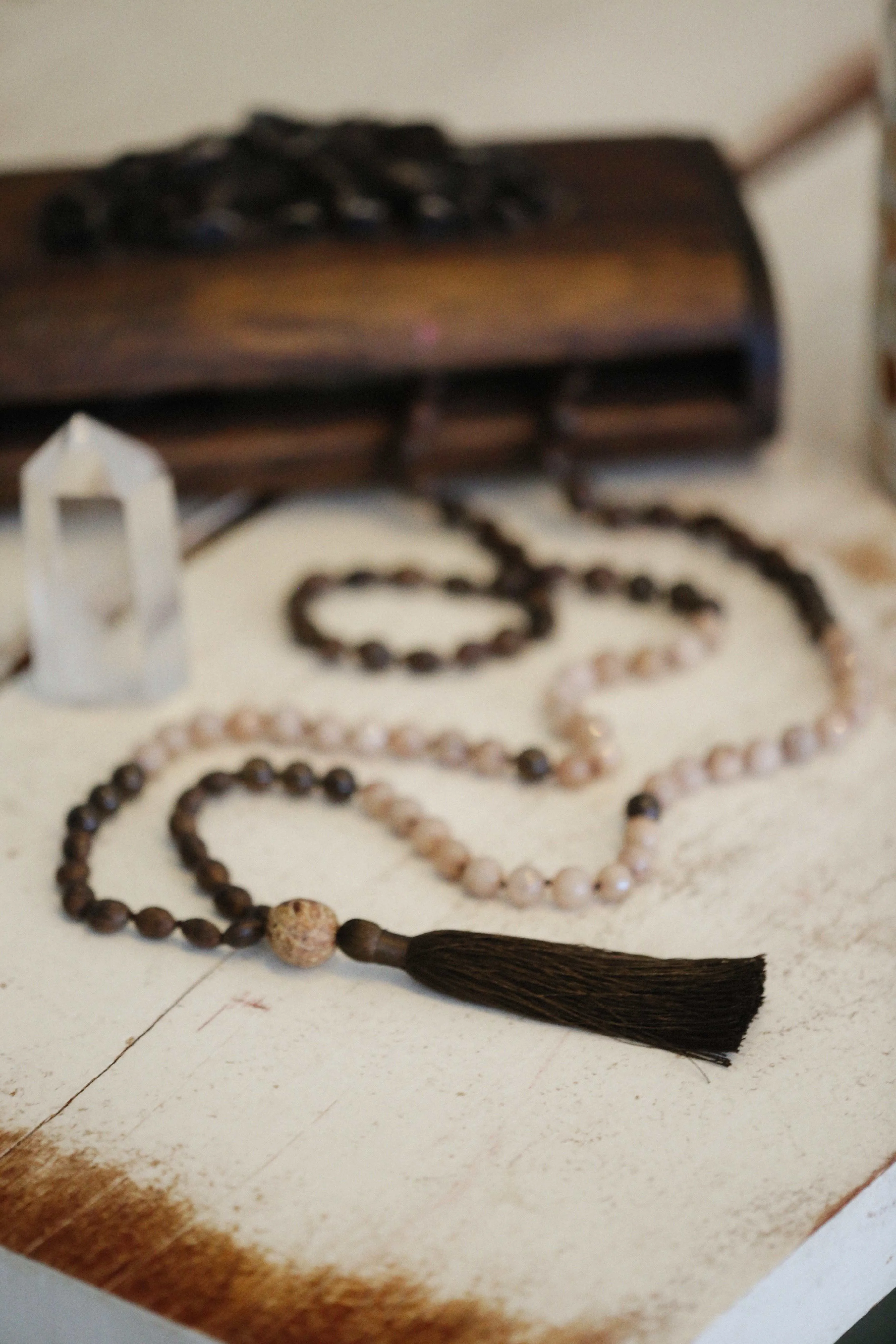
You can wear both Tulsi and Rudraksha mala together (Image: Pexels)
How To Choose The Right Mala?
If your focus is meditation and building inner strength and stability, then choose Rudraksha mala because of its grounding and spiritual energy. Rudraksha mala is also known to reduce stress and calm the nervous system.
If your focus is bhakti and devotion, and surrender, then choose Tulsi Mala because it purifies emotions and attracts inner peace. Tulsi Mala also helps to boost immunity.
ALSO READ: Rudraksha For Beginners: Your Ultimate Guide To Choosing Your First Bead
So, choose the mala according to your purpose.
FAQs
1. Which mala is better for beginners?
Both are suitable. Your choice depends on your spiritual practice and the deity you feel the strongest connection to.
2. Does the mala need to be energised before I start chanting with it?
Yes. Traditionally, a new mala — whether Tulsi or Rudraksha — is energised through a short puja or blessed at a temple before regular use, so that it carries the intended spiritual charge