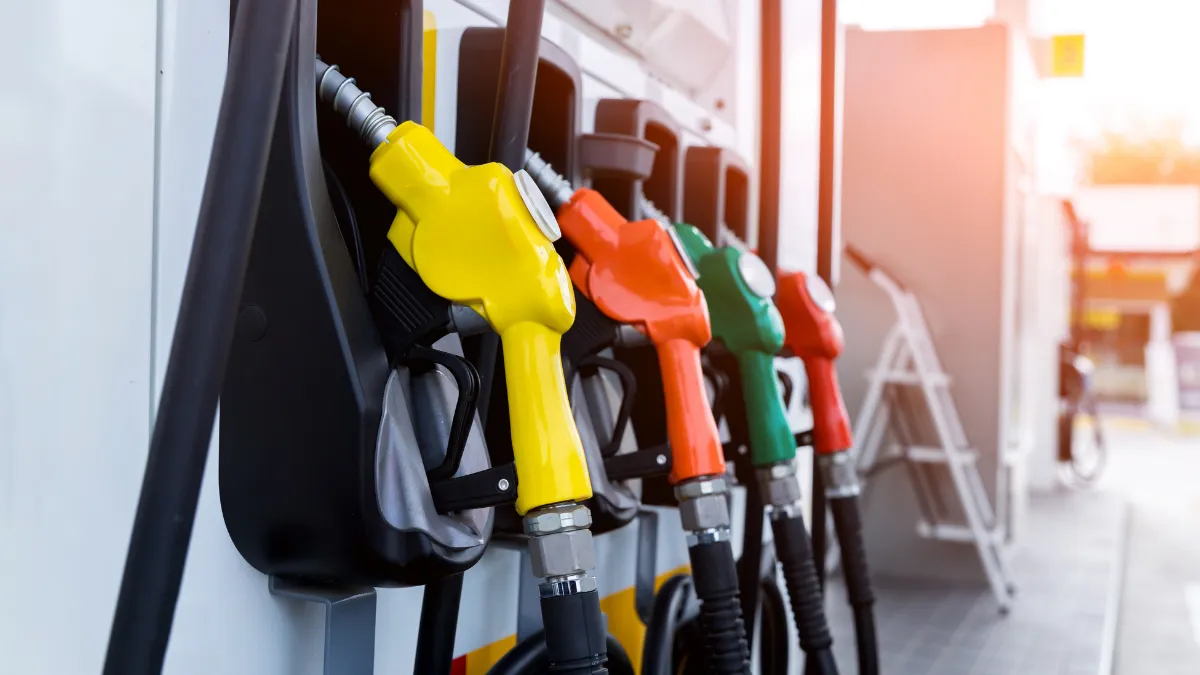
- Diesel export duty increased to Rs 14 per litre.
- ATF export levy raised to Rs 12.50 per litre.
- Petrol exports remain tax-free; domestic fuel duties unchanged.
The Centre has hiked the windfall tax on diesel and aviation turbine fuel (ATF) exports, making them costlier for the next two weeks. Petrol exporters, however, will still pay nothing extra; the zero-tax setup that started on November 16 stays as it is.
Under the new rates, diesel exporters will now shell out a special additional excise duty (SAED) of Rs 14 per litre, up from Rs 11.50. The tax on ATF shipments has also risen, from Rs 11 to Rs 12.50 per litre.
The Finance Ministry notified the changes late on November 16. The revised duties came into force immediately and will apply for the fortnight starting from that date.
ALSO READ: Will Petrol And Diesel Prices Rise Before Diwali? Here's What Oxford Economist Says
Second Hike In Export Duties In Less Than Three Weeks
This is the second upward revision in under three weeks. On October 31, the government had already raised the diesel export duty from Rs 8.50 to Rs 11.50 per litre and the ATF levy from Rs 10.50 to Rs 11. At the same time, it completely removed the Rs 2.50 per litre duty that petrol exports were attracting.
Recommended For You
As per the latest notification, petrol continues to attract neither SAED nor Road and Infrastructure Cess. Both remain at zero.
The changes apply only to exports. Fuel sold inside the country is unaffected- the existing tax rates on domestic petrol and diesel stay the same.
ALSO READ: Middle East Tensions: Experts Warn Of Costlier Everyday Goods As Crude Oil Hits 5-Month High
Why Is The Government Increasing Windfall Tax?
The Centre first imposed export duties on diesel and ATF on March 27, 2026, when tensions were rising in West Asia. A similar levy on petrol exports was added on May 16.
The idea was simple: stop companies from shipping out large volumes of fuel abroad when global crude prices were climbing and geopolitical risks threatened supply. By making exports less profitable, the government wanted to keep enough petroleum products available for the domestic market.
These duties are reviewed every 15 days so the government can adjust them according to international fuel prices and supply conditions. The latest increase is part of that regular fortnightly exercise.