- SBI credit card users face new charges from December 1.
- SEBI introduces revised margin rules for commodity traders.
- Pensioners must submit life certificates by November 30.
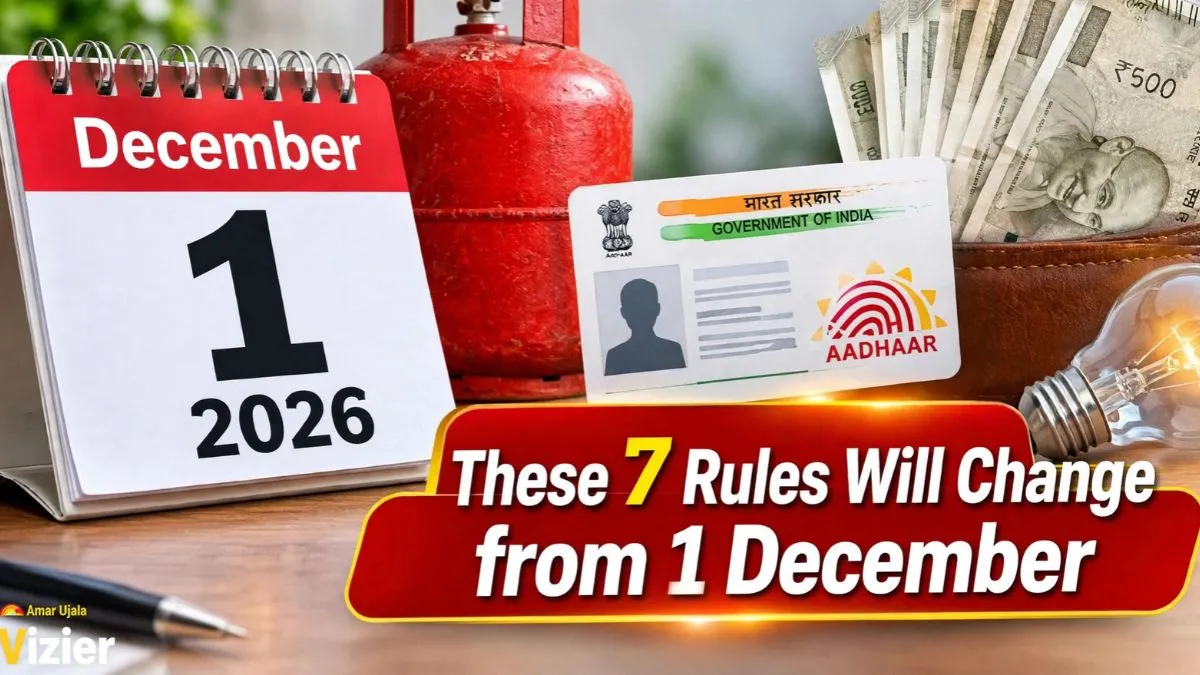
As December month nears, some important changes are set to take place that may affect your daily expenses, banking and investments. From December 1, SBI credit card users may have to pay extra charges on certain transactions. SEBI is also bringing new margin rules for commodity traders.
Apart from this, pensioners need to submit their life certificates by November 30. People will also be waiting for the latest LPG cylinder prices and the RBI's decision on interest rates. Here are seven important changes you should know about before December begins.
1. SBI Credit Card Users May Have to Pay Extra Charges
If you regularly use an SBI credit card, it is important to know about the new charges starting December 1, 2026. SBI Card is introducing an additional 1 per cent fee on certain high-value transportation and fuel transactions.
- A 1 per cent charge will apply to eligible transportation transactions above Rs 30,000.
- The fee will be calculated on each transaction rather than on your total monthly spending.
For ex: If you make a single payment of Rs 35,000, you will have to pay an additional Rs 350.
- There is also a change for people who use their SBI credit cards to pay for fuel. If your total fuel spending crosses Rs 50,000 during one billing cycle, a 1 per cent fee will be charged on the entire fuel expenditure.
Recommended For You
Therefore, SBI credit card users should keep these new charges in mind while planning their payments.
2. New SEBI Margin Rules for Commodity Traders
People who trade in commodity derivatives will have to follow SEBI's revised margin requirements from December 1, 2026.
Under the new system, the minimum margin will depend on how much the price of a commodity fluctuates. Commodities with greater price movements will require a higher margin.
The new margin structure will be:
- Low-volatility commodities: 6 per cent margin.
- Medium-volatility commodities: 8 per cent margin.
- High-volatility commodities: 10 per cent margin.
The Margin Period of Risk will also change. It will be two days for commodities with low and medium volatility, while highly volatile commodities will have a three-day risk period.
This means traders may need to arrange different amounts of funds depending on the type of commodity they trade.
3. Easier KYC Process for Investors Living Outside India
SEBI is making the KYC process simpler for certain foreign investors who want to invest in the Indian stock market.
The new facility will be available from December 3, 2026, to eligible investors, including Non-Resident Indians (NRIs), Overseas Citizens of India (OCIs), and investors living in countries that follow FATF regulations.
Under the revised process, eligible investors can complete their KYC remotely through SEBI-registered intermediaries.
They will no longer need to travel to India just to complete physical verification. This move is expected to make the investment process more convenient for eligible investors living abroad.
4. Free Email Address Update Facility for Aadhaar Holders
Aadhaar holders who want to update their registered email address have an opportunity to do so without paying the usual fee.
UIDAI has temporarily removed the Rs 75 charge for updating an email address through the Aadhaar mobile app. This free facility started on July 1, 2026, and will continue until December 31, 2026.
People who have been planning to update their Aadhaar-linked email address can use this facility before the offer ends.
ALSO READ: Aadhaar-PAN Address Update: Moved To New Home? Here's How To Change Your Address Online
5. Deadline for Pensioners to Submit Life Certificates
Central government pensioners should complete an important task before November 30. It is the final date for submitting their annual life certificates.
A life certificate is required every year to confirm that a pensioner is alive and eligible to continue receiving pension payments.
Pensioners do not necessarily have to visit a bank or government office to complete this process. They can also submit their certificates online through the Digital Life Certificate service, known as Jeevan Pramaan.
Those who fail to submit their life certificates by the deadline may face delays or interruptions in receiving their pension.
6. LPG Cylinder Prices May Change on December 1
LPG prices are reviewed by oil marketing companies on the first day of every month. As a result, new rates for both domestic and commercial LPG cylinders may be announced on December 1, 2026.
Consumers will be keeping an eye on the announcement, as any increase or reduction in cylinder prices can affect household budgets and business expenses.
The actual change, if any, will become clear once the companies release their revised rates.
7. RBI's December Meeting: Will Loan Interest Rates Change?
The Reserve Bank of India's Monetary Policy Committee (MPC) meeting is another important event to watch in December.
The meeting is scheduled to take place from December 2 to December 4, 2026. During this meeting, the RBI will review the country's monetary policy and announce its decision on the repo rate.
The repo rate plays an important role in determining borrowing costs across the banking system. If the RBI changes this rate, it could affect interest rates on loans such as home loans and personal loans.
Borrowers and people planning to take new loans will be watching the RBI's announcement closely.