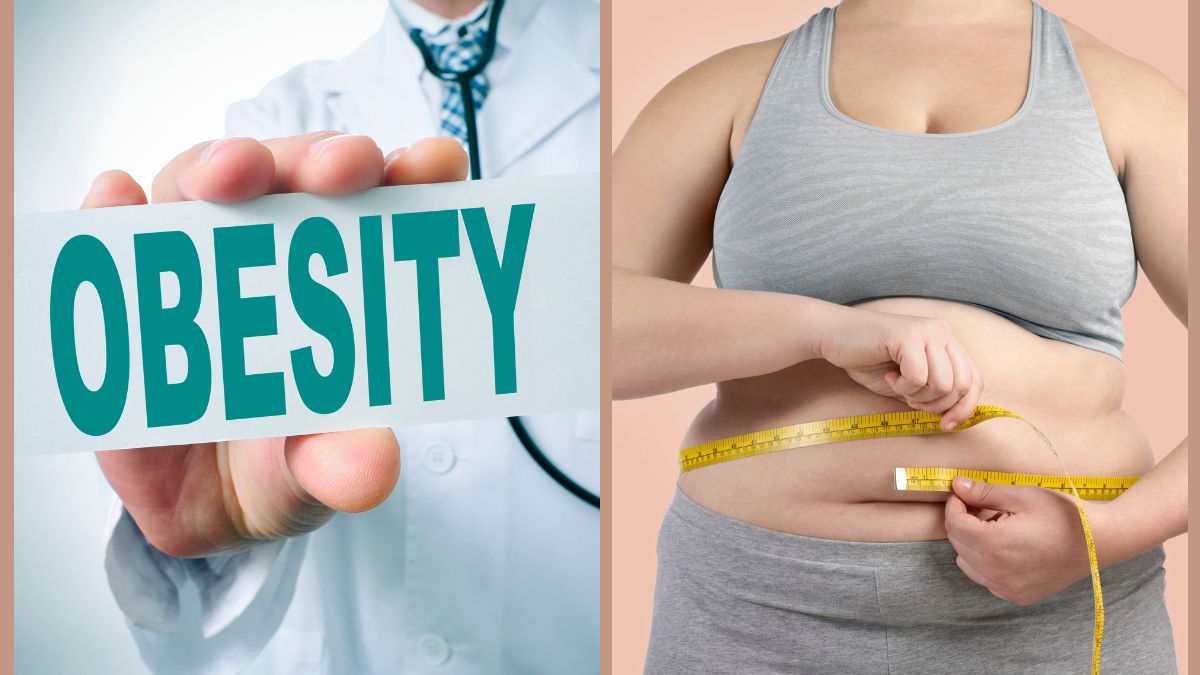
OBESITY is a word that many people dismiss, but have you ever considered how obesity might cause a slew of major health problems as well as a higher risk of death? According to the World Health Organization (WHO), obesity causes approximately 2.8 million deaths worldwide each year, with all of these deaths being primarily attributed to the associated health complications, which include cardiovascular diseases, type 2 diabetes, certain types of cancer, and respiratory disorders. Obesity can be healed simply by changing one's lifestyle, eating healthy foods, and so on.
Obesity Can Cauese Death In The Following Ways:
Cancer
Numerous cancers, including breast, colon, kidney, and pancreatic cancers, have been linked to obesity. On the other hand, other variables that raise the risk of cancer include chronic inflammation, hormone abnormalities, and insulin resistance. The actual mechanism between fat and cancer is quite complex.
Also Read: International Nurses Day 2023: History, Significance And Other Important Details
Joint Issue
Do you know that excess weight gain puts extra pressure on the joints, especially joints like the knee and the hip? This can lead to joint pain, osteoarthritis, and limited mobility, reducing the overall quality of life. In some situations, these joint-related issues also lead to major surgical intervention.
Recommended For You
Liver Disease
A crucial organ, the liver helps with digestion, makes proteins, stores iron, converts food into energy, and protects the body from infections. Obesity plays a significant role in the harmful effects of excessive alcohol consumption on the liver. It is crucial to adopt proactive measures to reduce the risk of liver illnesses, such as preventing or conquering obesity. A change in lifestyle can also aid in overcoming obesity.
Respiratory Problems
So many forms of respiratory disorders can develop only due to fat, and some of them are like sleep apnea, obesity hypoventilation syndrome, and asthma. All of these health concerns can also create breathing problems: lower oxygen supply, excess starch, disrupted sleep, etc.
(Disclaimer: This article is for informational purposes only. It is not a substitute for professional advice, diagnosis or treatment.)