
Children become picky eaters around age two, as their growth rate slows down alongside a growing want for independence, making food one of the few areas they feel they can control.
Dr. Ajay Prakash Veerapandiyan, MD, Pediatrics, Fellow in Neonatology, explains that “with the right approach, you can ease the pressure and help your child build a confident, healthy relationship with food that lasts a lifetime.”
As parents, you should establish predictable meal times, trust your child to listen to their hunger and fullness cues, and break the ‘picky eating trap’ to nurture a confident, lifelong relationship with food for your kids.
Pediatrician-Approved Tips To Build Your Kid's Healthy Relationship With Food
Take a look at strategies approved by Pediatrician, Dr. Ajay Prakash, to help your kids break the cycle of being picky eaters. Also learn how to help your child explore new foods without any mealtime stress.
1. Maintain A Proper Meal Time
According to Dr. Ajay, establishing structured meal times that are roughly three to four hours apart is beneficial for kids. Avoid constant grazing of kids throughout the day as it can dull their appetite.
Why It Works: Children love predictability in their routine, whereas always snacking dulls their appetite and makes them less interested in eating balanced meals.
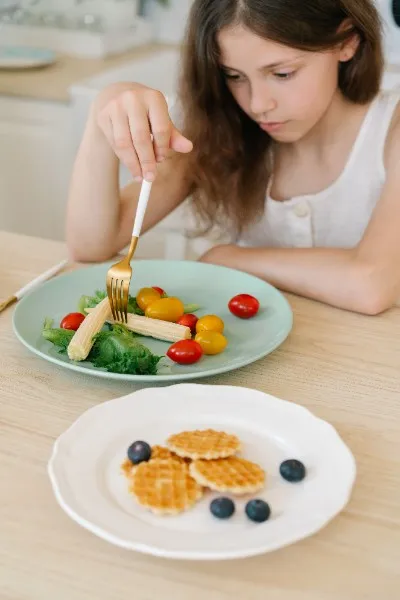
Have proper meal times (Image Credits: Pexels)
2. Offer Safe Foods With New Food
Dr. Ajay’s Take: “When introducing a new vegetable, protein, or dish, always pair it with at least one familiar, accepted food on the plate. The same approach can extend to milk which contributes to a child's daily nutrition.”
Recommended For You
Why It Works: Giving your kids a reliable option removes the anxiety of trying something new and unknown, and ensures they feel comfortable eating the food offered without making you cook ‘backup’ meals.
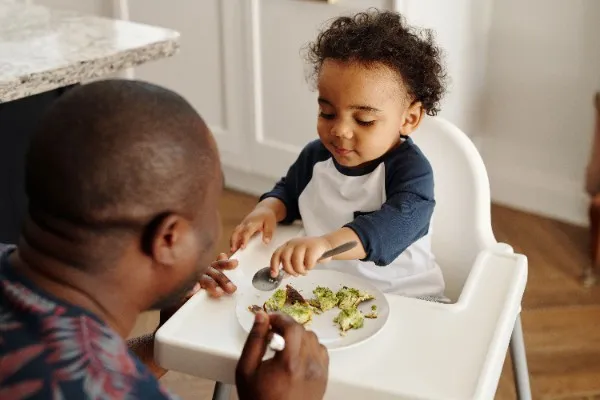
Offer kids safe foods (Image Credits: Pexels)
3. Shift To Curiosity Instead Of Bargaining
Dr. Ajay claims, replacing dessert bribes with playful, low-pressure options is beneficial for picky eaters. Follow strategies such as, asking your child to count the green pieces on their plate, or inviting them to take a ‘tiny bite’ with full permission to stop if they dislike it.
Why It Works: Bargaining can turn dinner into a chore and spark power struggles. Framing food as something to explore makes tasting new items feel safe and approachable for kids.
4. Involve Your Kids In The Process
Dr. Ajay notes, bringing children grocery shopping to pick out a vegetable, letting them help wash veggies, and stirring ingredients while cooking to involve them in the process is helpful for kids to be less picky.
Parents should also focus on ingredients of everyday meals such as cooking oil to build a healthy diet for their kids.
Why It Works: Shared experiences can spark curiosity and make children far more willing to taste dishes they helped select or prepare thus making mealtime easier.
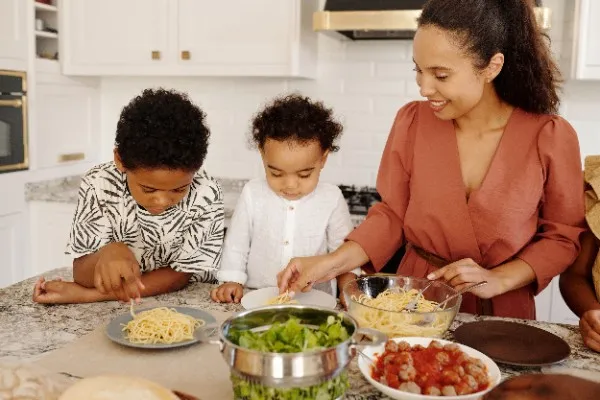
Let your kids help in cooking (Image Credits: Pexels)
5. Reframe The Act Of ‘Taking A Bite’
Dr. Ajay’s Take: “It can take multiple attempts for a child to accept a new taste or texture. It doesn't just mean consuming the food, it includes seeing it on the plate, touching it, smelling it, or even poking it with a fork. Celebrating these small steps reduces the pressure on both you and your child.”
Why It Works: Accepting a new taste or texture often takes multiple exposures for kids, and recognising even small progress takes the pressure off both you and your child during meal times.
6. Select Healthy Alternatives
Dr. Ajay explains, keeping familiar favourites on the menu while upgrading to simple, clean-label alternatives is a great habit. For example, swapping normal jams for a fruit jam with pulp and natural ingredients is helpful for kids to enjoy meals without eating unhealthy foods.
Why It Works: Smart ingredient choices improve daily nutrition for kids without taking away the comforting tastes and textures they already love.
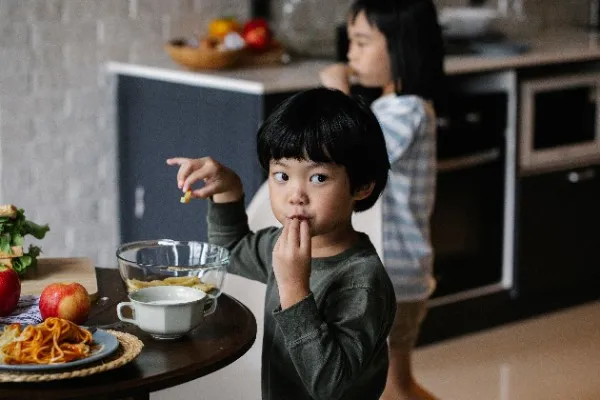
Give kids healthy alternatives to their favourite foods (Image Credits: Pexels)
7. Try The Technique of ‘Food Chaining’
Dr. Ajay guides to gradually expand your child's diet by joining familiar favourite foods to new items through subtle sensory overlaps, changing only one characteristic of a food at a time.
How It Works: Transition step-by-step from standard potato chips to crinkle-cut chips, then sweet potato chips, baked fries, and finally soft potato wedges. Preserving familiar traits such as crunch, saltiness, or shape lowers sensory resistance for kids.
ALSO READ: Stepping Out After Diwali? Pulmonologist Reveals Effective Ways To Protect Yourself From High AQI
Strategy | What To Do | Why It Works |
1. Proper Meal Times | Space meals 3–4 hours apart; stop constant snacking | Builds routine and prevents grazing from dulling appetite |
2. Safe + New Foods | Pair new foods with at least one familiar favourite | Lowers food anxiety and avoids cooking backup meals |
3. Curiosity Over Bribes | Use playful prompts (counting pieces, "tiny bites") instead of dessert bribes | Prevents power struggles and makes tasting feel safe |
4. Involve Kids in Prep | Let kids pick, wash, and stir ingredients; use quality cooking oils | Shared prep sparks curiosity and willingness to taste |
5. Reframe "Taking a Bite" | Celebrate seeing, touching, smelling, or poking new foods | Multiple low-pressure exposures build gradual acceptance |
6. Healthy Alternatives | Upgrade favourites to clean-label swaps (e.g., natural pulp fruit jam) | Boosts daily nutrition while keeping familiar tastes/textures |
7. Food Chaining | Bridge favourites to new foods one sensory step at a time (e.g., chips → baked fries) | Preserving traits like crunch or saltiness lowers resistance |
Expert Tips On When To Reach Out To Your Child’s Doctor:
- If your child’s growth is affected or they go through an unexplained weight loss, it could be a sign your child needs a doctor’s help
- Extreme distress or puking whenever new foods are presented to your child
- A severely restricted diet limited to fewer than 10 to 15 total food items your kid eats
- If your kid completely avoids entire food groups, such as not eating all proteins, or all fruits, you should consult a doctor
ALSO READ: How To Protect Yourself Against COVID PJ.2.1 Variant: 7 Doctor Approved Precautions To Take
FAQs
What counts as progress when introducing a new food if a child doesn't eat it?
Acceptance of new food takes multiple tries. Progress also means kids seeing the new food on their plate, touching it, smelling it, or poking it with a fork. Celebrate these small sensory steps to lower mealtime pressure for both parents and kids.
Why does constant snacking or grazing make picky eating worse for kids?
Snacking on food throughout the day keeps kids mildly full, which dulls their natural appetite by the time regular meals arrive. It also reduces their willingness to try balanced foods during mealtimes.
What should parents avoid doing when a child refuses to eat a new food?
Avoid cooking separate ‘backup’ meals, bribing with dessert, or forcing your kids to finish a bite. Instead, keep a familiar safe food on the plate and give them permission to explore the food at their own pace without turning mealtime into a power struggle.