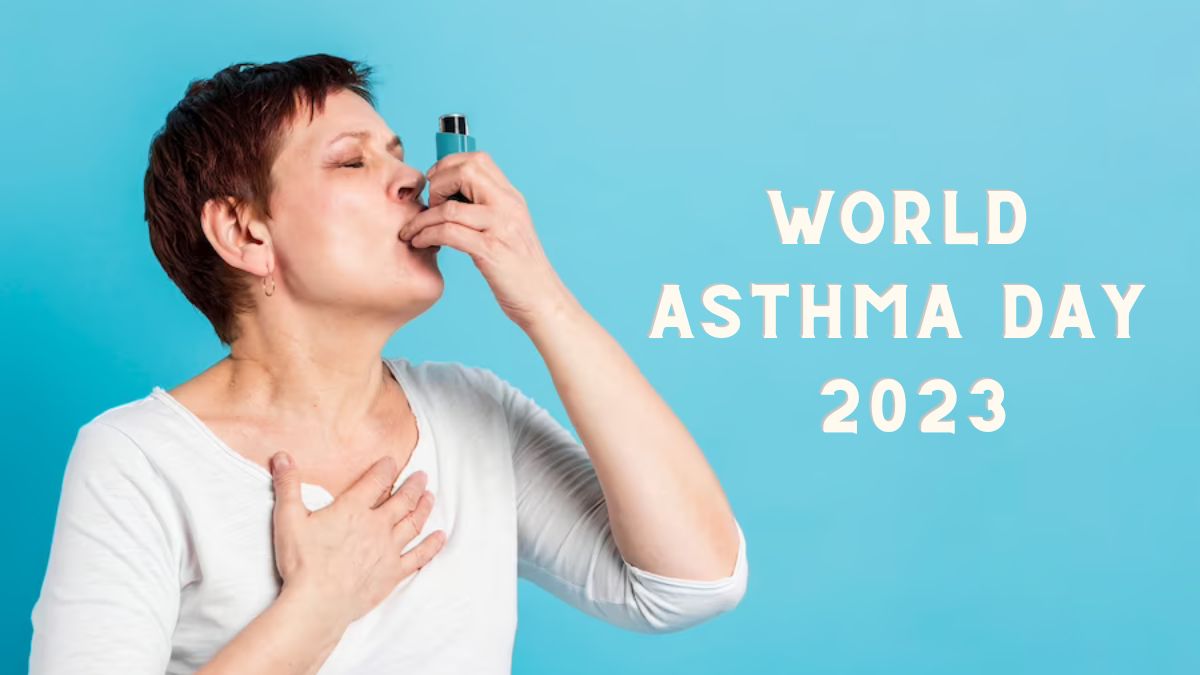
World Asthma Day 2023: The occasion of World Asthma Day is observed annually on the first Tuesday of May month across the world. This special day is dedicated to people who suffer from asthma and aims to raise awareness and educate people about this health condition and its treatment.
According to the World Health Organisation (WHO), Asthma is a long-term condition affecting children and adults. The air passages in the lungs become narrow due to inflammation and tightening of the muscles around the small airways. This causes asthma symptoms such as cough, wheezing, shortness of breath and chest tightness.
World Asthma Day 2023: History And Significance
World Asthma Day is an annual event organised by the Global Initiative for Asthma (GINA) which aims to improve asthma awareness and care for patients around the world. The day was founded in 1993 and is organised by GINA to spread awareness about Asthma globally.
Recommended For You
WHO states that asthma is often underdiagnosed and under-treated, particularly in low- and middle-income countries. It cannot be cured, but good management with inhaled medications can control the disease and enable people with asthma to enjoy a normal, active life.
World Asthma Day 2023: Theme
The theme for World Asthma Day 2023 is 'Asthma Care for All.’ Meanwhile, the theme for 2022 was ‘Closing Gaps in Asthma Care’, and 2019 was ‘STOP for Asthma.’
World Asthma Day 2023: Facts About Asthma
1. The WHO states that asthma affected an estimated 262 million people in 2019 and caused 4,55,000 deaths.
2. Most asthma-related deaths occur in low- and lower-middle-income countries, where under-diagnosis and under-treatment are a challenge.
3. People with under-treated asthma can suffer sleep disturbance, tiredness during the day, and poor concentration.
4. Urbanisation is associated with increased asthma prevalence, probably due to multiple lifestyle factors.
5. Exposure to a range of environmental allergens and irritants is also thought to increase the risk of asthma, including indoor and outdoor air pollution, house dust mites, moulds, and occupational exposure to chemicals, fumes or dust.