

In Sanatan Dharma, daan (selfless giving) is given great importance. According to the Bhagavad Gita, it is not merely an act of charity but a spiritual practice that purifies the soul, removes past karmic sins, and invites divine grace.
Let's understand what Daan mean in Hinduism and why it is given so much importance.
What Is Daan In Hinduism?
Daan is a Sanskrit word meaning ‘to give'. In Hindu philosophy, it is the selfless act of giving something without expecting anything in return.
Hindu tradition distinguishes daan from dakshina (offering given as repayment to teachers or mentors) and bhiksha (alms or sustenance given to monks or ascetics). There are also many types of daan:
- Anna daan (food donation)
- Vastra daan (clothes donation)
- Vidya daan (sharing knowledge)
- Seva daan (service and time)
- Arth daan (financial support)
- Gau daan (giving cows)
Among all, anna daan is considered the highest form of charity.
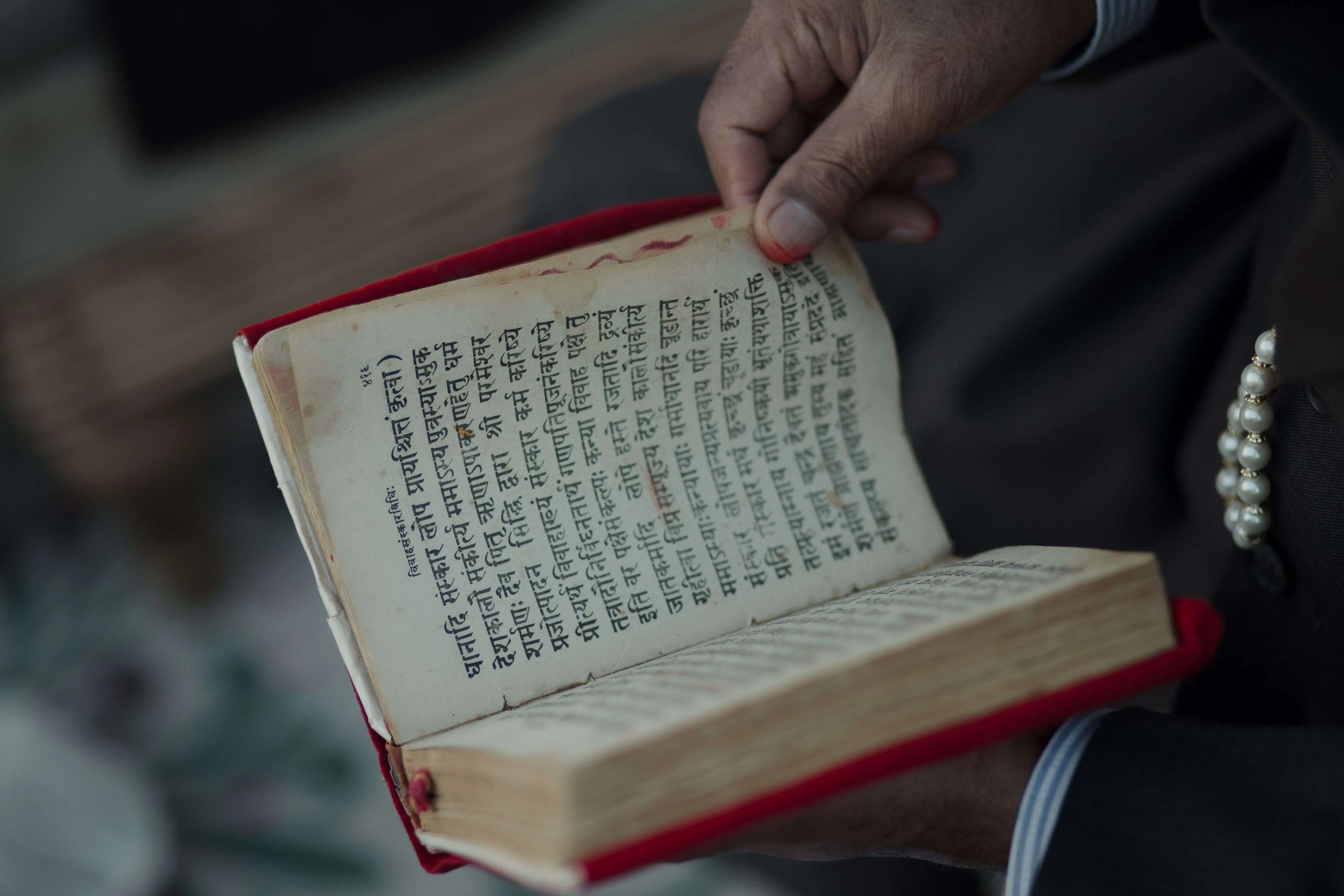
Many scriptures like Puranas, and Vedas describe daan as a spiritual discipline (Image: Pexels)
ALSO READ: Why Do Devotees Offer Betel Leaves And Betel Nuts In Puja? Know Their Spiritual Significance
Spiritual Significance Of Daan In Hinduism
In Verses 20-22, Chapter 17 of the Bhagavad Gita, Lord Krishna specifically emphasises three types of daan: Sattvik ( given without expectation to a deserving person), Rajasik (given with expectation) and Tamsik (given disrespectfully or to those who don't deserve). Out of all, Sattvik daan is said to purify the heart and please the divine.
Many other scriptures, Puranas, and Vedas also describe daan as a spiritual discipline that not only benefits the receiver but also uplifts the giver.
Practising Daan, an individual symbolically breaks the chains of attachment and learns to see material wealth as fluid energy rather than a fixed possession. This process purifies the heart and prepares the soul for higher states of consciousness.
How To Perform Daan?
Intention: Daan should be performed with compassion and devotion, far from ego, pride or expectation.
Auspicious Time: Daan should be done at the right time, during eclipses, festivals, pilgrimages, after completing yajnas, or successful completion of milestones.
Given To Someone Deserving: In scriptures, it is mentioned that daan should be given to someone who lives a sattvic life, practices, or is in genuine need. Giving to the undeserving breaks the sanctity of spiritual practice.
Method Of Giving: When giving daan, one must present the offering respectfully with folded hands. The receiver should never feel embarrassed. And after giving daan, one must forget the act and not seek recognition.
Note: Gupt Gyaan in Hinduism is that the highest form of Daan is when the left hand doesn't know what the right hand gave.
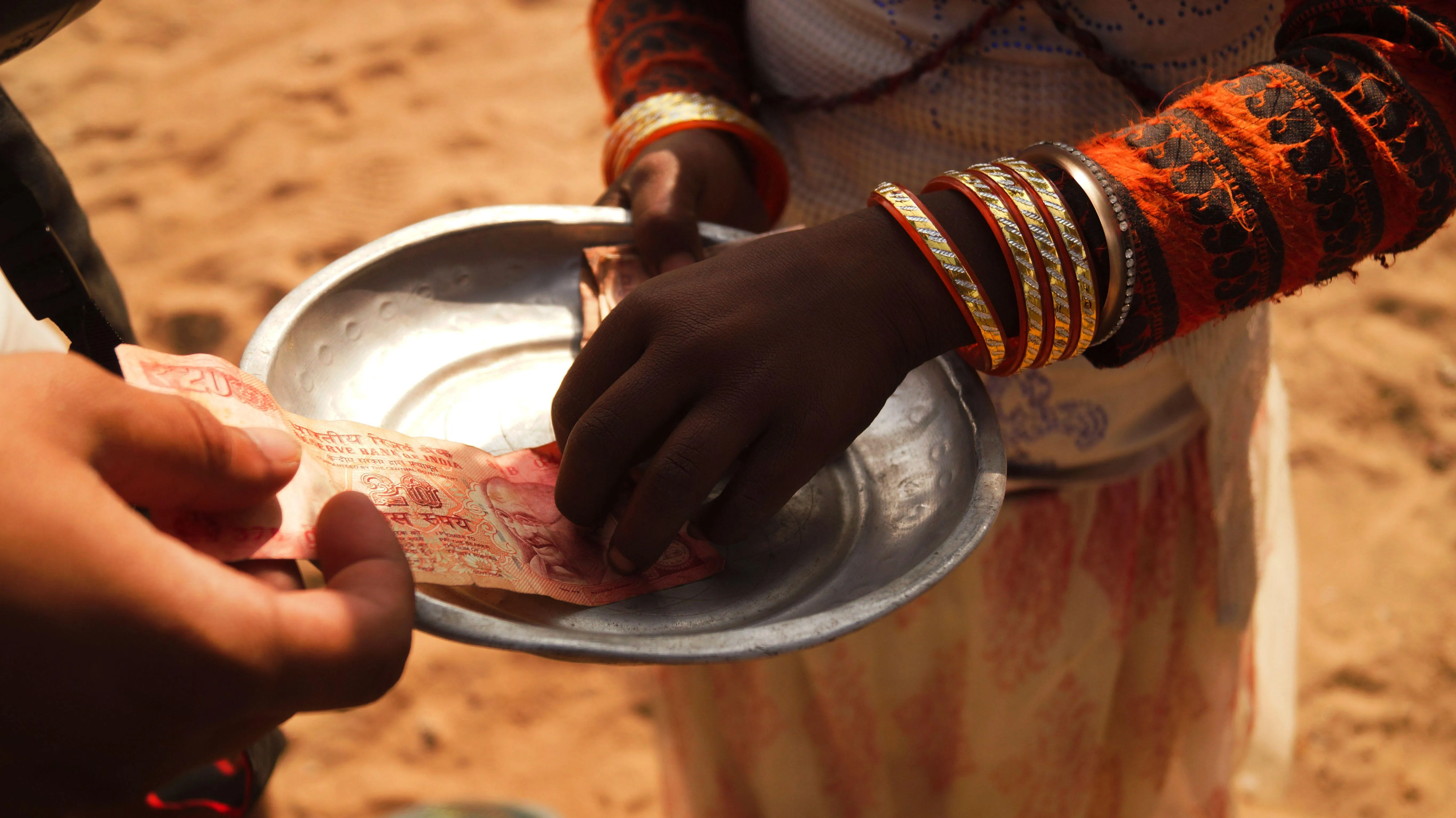
Daan should be performed with compassion and devotion (Image: Pexels)
Scientific And Psychological Perspective of Daan
Modern science suggests that by performing daan, the human brain releases dopamine and oxytocin, which lowers cortisol, reduces stress and brings a feeling of happiness.
Psychologists suggest that performing acts of charity builds empathy and resilience in people and helps them cope better with anxiety or grief.
How Do People Practice It In Modern Times?
While ancient daan primarily focused on giving food, cows or land, today's generations express the same spirit, but they perform acts of charity by making online donations, offering tree-planting or water purification services, and volunteering their expertise.
ALSO READ: Why Is Cotton Placed In the Nose And Ears After Death? Garuda Purana And Science Reveal The Reason
Thus, an act of charity purifies the heart, balances karma, and brings the soul closer to divine truth.
FAQs
1. Are there specific times or occasions when Daan is considered more auspicious?
Daan is considered more auspicious when done during festivals, planetary transits, specific lunar phases, and personal milestones like birthdays or anniversaries.
2. Can Daan be performed without monetary donations? What are non-material forms of giving?
Yes, non-monetary forms of Daan such as Vidyadaan (sharing knowledge), Shramdaan (donating labor/time), Abhayadaan (providing fearlessness/protection), and Annadaan (food donation), are also immense spiritual importance.