

In Hinduism, the lotus holds immense spiritual significance. Despite growing in muddy water, it blooms beautifully above the surface, teaching a lesson of Sanatan philosophy: how to rise despite living in a world of negativity and impurities.
Across Hindu scriptures, temples, puja rituals, mythology and spiritual teachings, the lotus is always mentioned as a powerful symbol of consciousness and divine grace.
Let's explore why, in Hinduism, the lotus is so revered and what it symbolises.
What Does Lotus Symbolise?
The Symbol Of Purity
Despite being grown in muddy ponds and stagnant water, the lotus blooms beautifully without any dirt, making it the perfect symbol of purity.
This teaches individuals to live in society, perform their duties and face the challenges and obstacles while upholding integrity and righteousness.
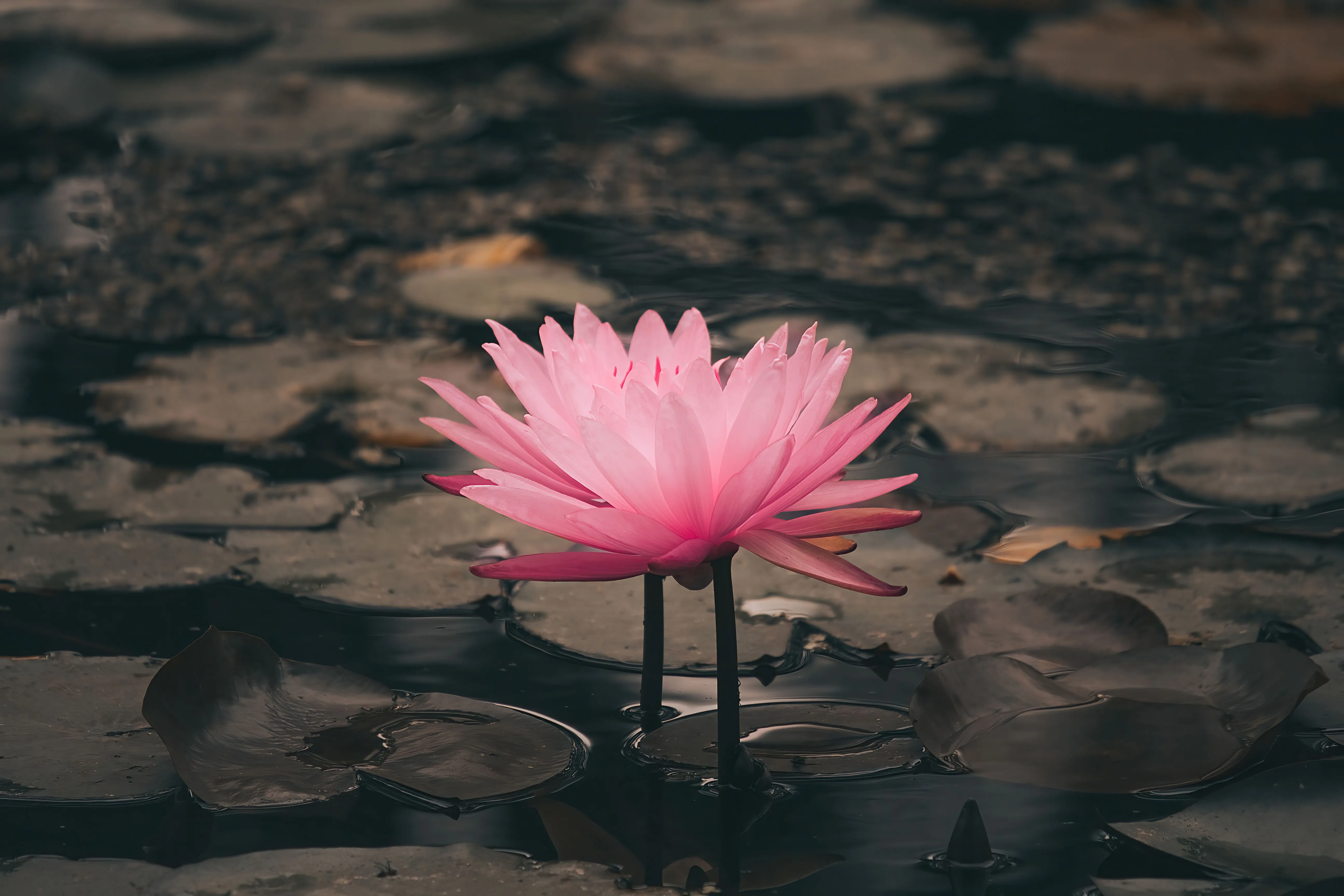
Despite being grown in muddy ponds and stagnant water, the lotus blooms beautifully without any dirt (Image: Pexels)
Connection With The Deities
The lotus has always been shown with many Hindu deities, making it the symbol of divine beauty, enlightenment, and cosmic order.
Lotus And Goddess Lakshmi
Whenever Goddess Lakshmi is depicted, she is often seen sitting on the lotus. The lotus beneath her reminds individuals that true prosperity is not measured only by material wealth but also by purity of mind, wisdom, compassion, and righteous living.
Lotus And Lord Brahma
According to the Vishnu Purana, Lord Brahma was born from a lotus growing from the navel of Lord Vishnu. Thus, the lotus connected with Lord Brahma symbolises rebirth and creation, symbolising that all creation emerges from divine consciousness.
ALSO READ: Why Do Hindus Practise Surya Namaskar? Know Its Spiritual Significance
Lotus And Goddess Saraswati
Goddess Saraswati, the deity of wisdom, learning and arts, is often depicted sitting on a white lotus, symbolising knowledge, truth, and spiritual enlightenment.
Lotus And Lord Vishnu
Lord Vishnu is often depicted holding a lotus in one of his hands, representing cosmic harmony and preservation of the universe.
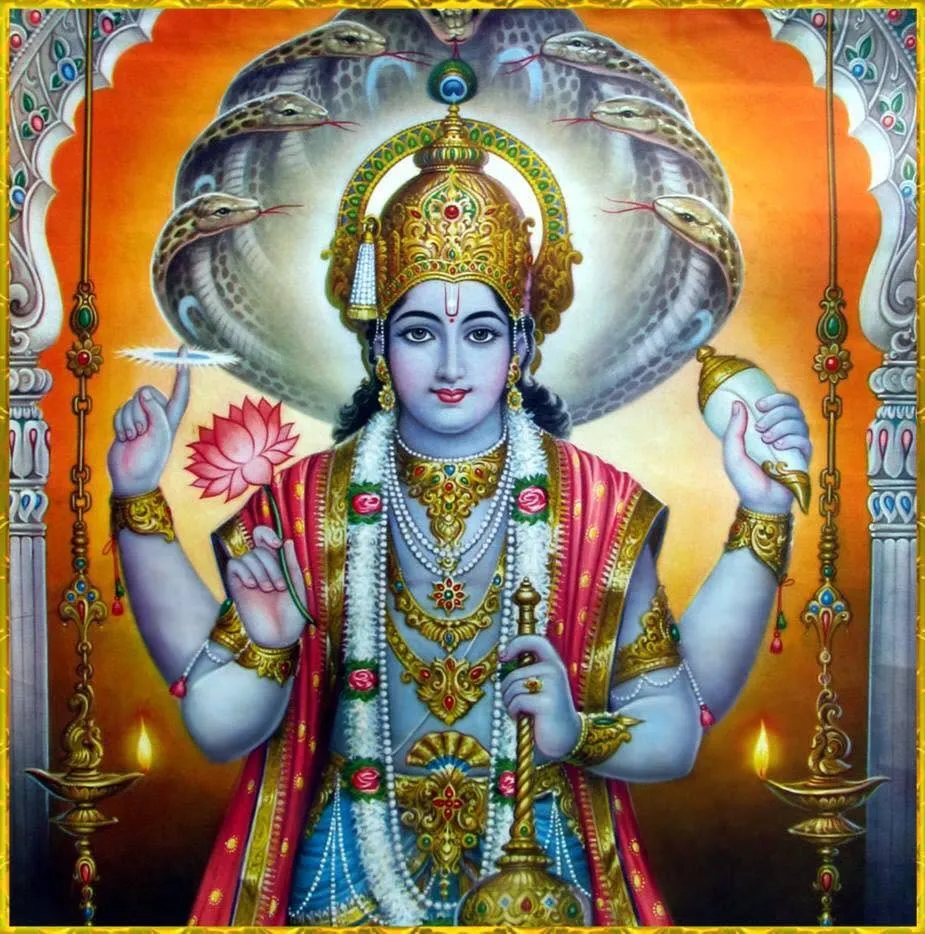
Lord Vishnu is often depicted holding a lotus in one of his hands, representing cosmic harmony (Image: Facebook/lordvishnuthesupremegod)
Symbol Of Detachment
According to Verse 5, Chapter 10 of the Bhagavad Gita, 'One who performs his duty without attachment, surrendering the results unto the Supreme Lord, is unaffected by sinful action, as the lotus leaf is untouched by water.'
This teaching explains how one should remain detached from the results and focus on doing their karma like the petals of a lotus flower, allowing droplets to slide off easily without sticking to it.
Symbol Of Spiritual Growth
In Hindu philosophy, the lotus symbolises enlightenment and spiritual awakening. Just as the flower opens itself to the sunlight every morning, so does the human soul's journey toward knowledge and self-realisation.
In yoga and meditation, the lotus is central to yogic traditions and chakras. Many Hindu texts describe the chakras as lotus centres within the body, each representing different levels of spiritual energy and consciousness.
ALSO READ: Why Is Tulsi Mala Sacred In Hinduism? Meaning, Rules And Benefits
For these reasons, the lotus holds so much importance in Hinduism. It carries profound spiritual lessons about purity, enlightenment, detachment, and divine consciousness.
FAQs
1. Why is the lotus flower important in Hinduism?
The lotus flower is important in Hinduism because it symbolises purity, spiritual awakening, and divine beauty. It teaches people to remain pure and detached despite living in the material world.
2. How is the lotus used in Hindu rituals?
The lotus is offered to deities during prayers, festivals and temple rituals as a sign of devotion and purity.