

Have you ever wondered why, in many Hindu households, Shankh (conch shell) is placed in temples and homes next to the divine? Shankh is believed to represent Nada-Brahma, Om, the Vedas, Dharma, righteous victory and auspiciousness. It is often used by devotees during worship to uplift and focus their minds towards nobility and truth.
The sound produced by Shankh is the eternal sound originating from all Vedas. It was this sound that was chanted by the Lord before manifesting the cosmos. It represents the creation and the truth behind it.
Let's understand in detail why this ancient conch shell plays a significant role in Hindu Puja.
What Is A Conch Shell?
The Shankh, or the conch shell, is believed to be closely associated with Lord Vishnu and the sound produced by it is believed to represent the sacred vibration of 'Om ', which symbolises the cosmic beginning.
According to the Puranas, the conch was created by the deities during Samudra Manthan, where Lord Vishnu used it as a weapon. Each part of the Shankh holds its own spiritual symbolism.
The holy deities, the Sun, Moon, and Varuna, are present at the base of the Shankh; the deity Prajapati is on its surface, and the sacred rivers such as Ganga and Saraswati are in its front portion, all of which are under Lord Vishnu's command.
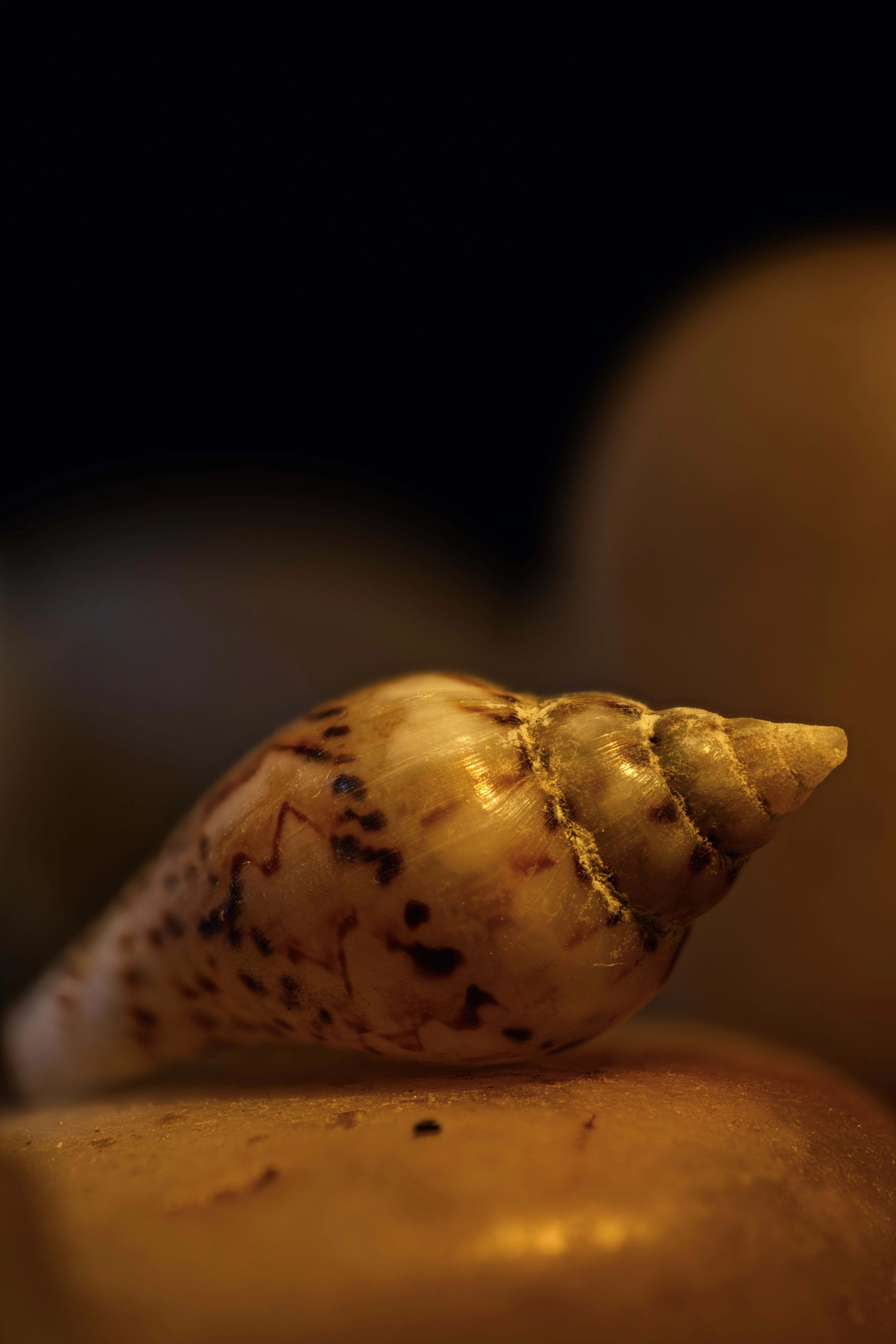
The Shankh, or the conch shell, is believed to be closely associated with Lord Vishnu (Image: Pexels)
Why Is Shankh Used In Hindu Puja Rituals?
According to Varaha Purana, one should not open the temple door without blowing the temple bell.
1. In the environment, there are three types of frequencies: rajas, tamas or sattva. When Shankh is blown before puja or during aarti, the distressing energy loses its hold and a protective shield of Chaitanya (divine consciousness) is created around the puja ritual.
2. When Shankh is blown, it is also believed to activate Lord Vishnu's energy, invoking not only his blessings on the person who blows it but also on everyone who hears it.
3. A Shankh represents purity and is often associated with spiritual awakening.
The Science Of Sound: Why The Shankh’s Frequency Matters
The vibrations produced by the conch shells can clear environmental pollution, including healing the hole in the ozone layer, which causes global warming.
According to science, blowing a conch shell enhances positive psychological vibrations such as courage, determination, hope, optimism, willpower, etc., in the blower as well as those around it.
ALSO READ: Why Do Hindus Fast On Ekadashi? Know Its Deep Connection With Lord Vishnu
Why Does Lord Vishnu Hold the Conch?
If you ever notice, there is a conch shell in one of the four hands of Lord Vishnu. This Shankh is called Panajanya, which is believed to have emerged during the churning of the ocean (Samudra Manthan) and is a symbol of divine power and the primordial sound that created the universe.
This Shankh is also believed to be the home of Goddess Lakshmi, the divine consort of Lord Vishnu, who accompanies him in all his divine forms.
Types of Shankhs: Which One Belongs On Your Altar?
Feature | Vamavarti Shankh | Dakshinavarti Shankh |
Spiral Direction | Left (anticlockwise) | Right (clockwise) |
Colour | White or off-white | Cream or milky white |
Rarity | Commonly available | Extremely rare |
Associated Deity | Lord Vishnu | Goddess Lakshmi |
Primary Use | Daily puja, blowing, rituals | Placement, wealth & prosperity |
Can It Be Blown? | Yes | Traditionally no |
Best For | Purification, protection | Abundance, auspiciousness |
Proper Care And Ritual Protocol
- A natural conch should be rinsed with plain water and dried thoroughly, inside and out. Water left sitting inside will smell within a day or two.
- Avoid soap, detergent, bleach and metal polish; none of them belongs on a natural shell, and they dull the surface permanently.
- A plated or brass shankh (the kind most people actually keep on a shrine) should be dusted dry more often than it is washed.
- A little sandalwood oil on a cloth restores lustre if the shell has gone chalky.
- If you pour water during aarti, rinse and invert it afterwards so it drains.
What Precautions Should Be Taken While Blowing Shakh?
1. One should never offer the water present in the shankh to the deity.
2. Never keep two shankh in the puja room for worship.
3. During puja rituals, never touch the Shiva pindi with Shankh.
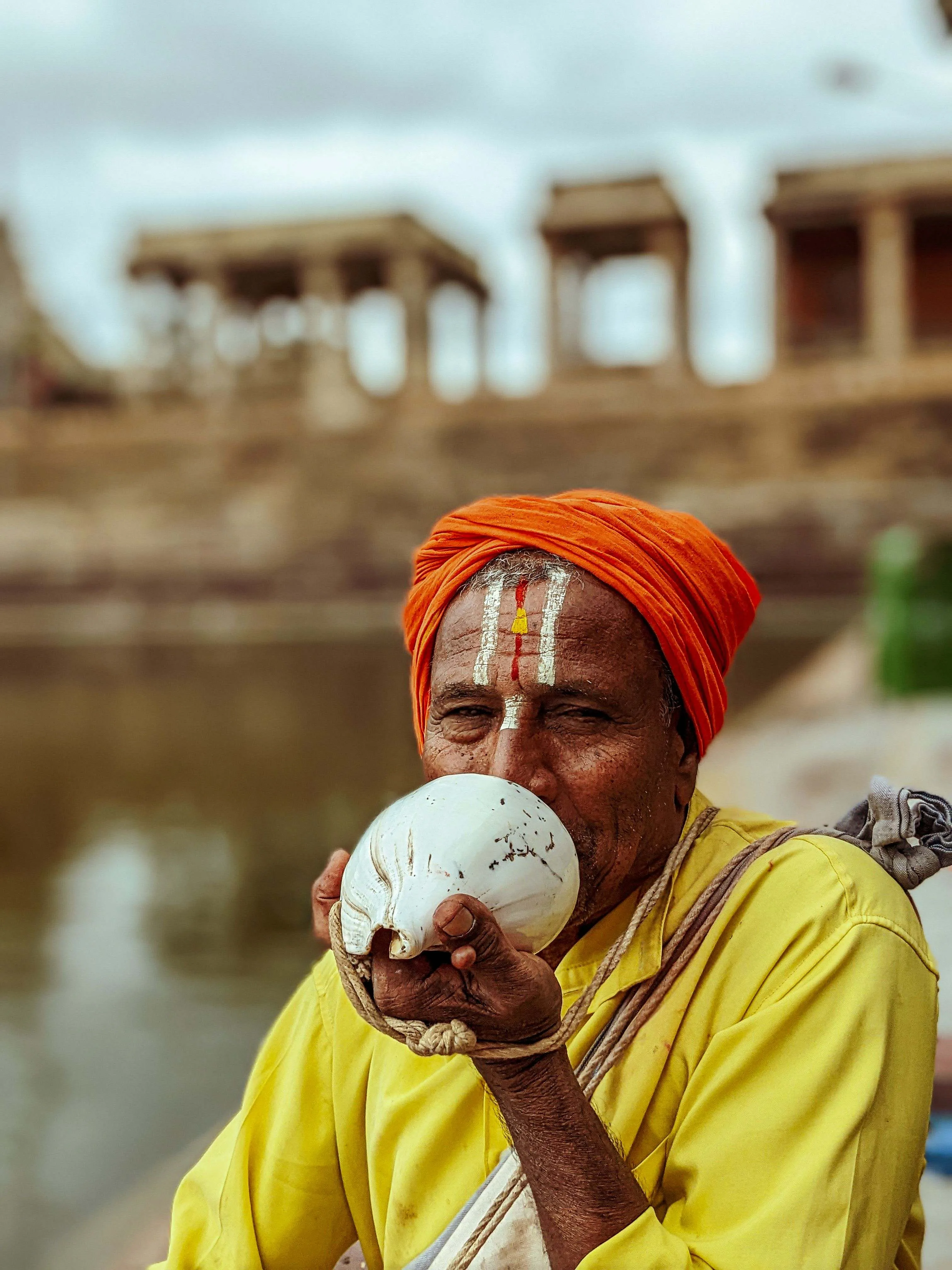
During puja rituals, never touch the Shiva pindi with Shankh (Image: Pexels)
ALSO READ: Goddess Lakshmi Presses Lord Vishnu’s Feet: Know The Meaning Behind This Padasevana Tradition
So, these are a few reasons why Shankh(conch shell) is used in worship.
FAQs
1. Can anyone blow a Shankh?
Yes, anyone can blow a shankh with sincere devotion and faith.
2. What does it mean if the shell is left-handed?
The Shankh that opens towards the left hand is a Vaamavart Shankh; this is used for religious purposes. These shankh remove negative energy and purify the surroundings.