

Have you ever wondered why in many Hindu families, only men traditionally attend the cremation or perform the last rites? For generations, it has been the common belief that women should not visit the cremation ground or light the funeral pyre of a loved one.
While this custom still prevails in some households, it is important to remember that no Hindu scripture bans women from visiting a crematorium or performing the last rites of their loved ones. However, in recent times, many women have participated in funeral rituals, especially when they are the closest family member.
The question is– if there is no clear spiritual prohibition, why are women banned from performing or attending cremations? Here are some of the common cultural and traditional explanations.
Why Are Women Traditionally Banned From Attending Cremations?
Traditionally, social roles for men and women were clearly divided in many communities. Funeral rites became associated with male family members, while women were expected to remain at home. Over time, several beliefs emerged to explain this custom.
1. Emotional Sensitivity
Rituals in the cremation ground involve witnessing the burning of the loved one, which can be emotionally overwhelming. Traditionally, women were considered weak-hearted, and it was thought that they did not have enough strength to cope with the emotional and spiritual challenges of cremation procedures.
2. Protection From Negative Energies
According to certain traditional beliefs, cremation grounds are spiritually powerful places associated with death and departing souls. Many people think evil spirits reside in this place, and women, having greater sensitivity to spiritual forces, can attract this negative energy towards them.
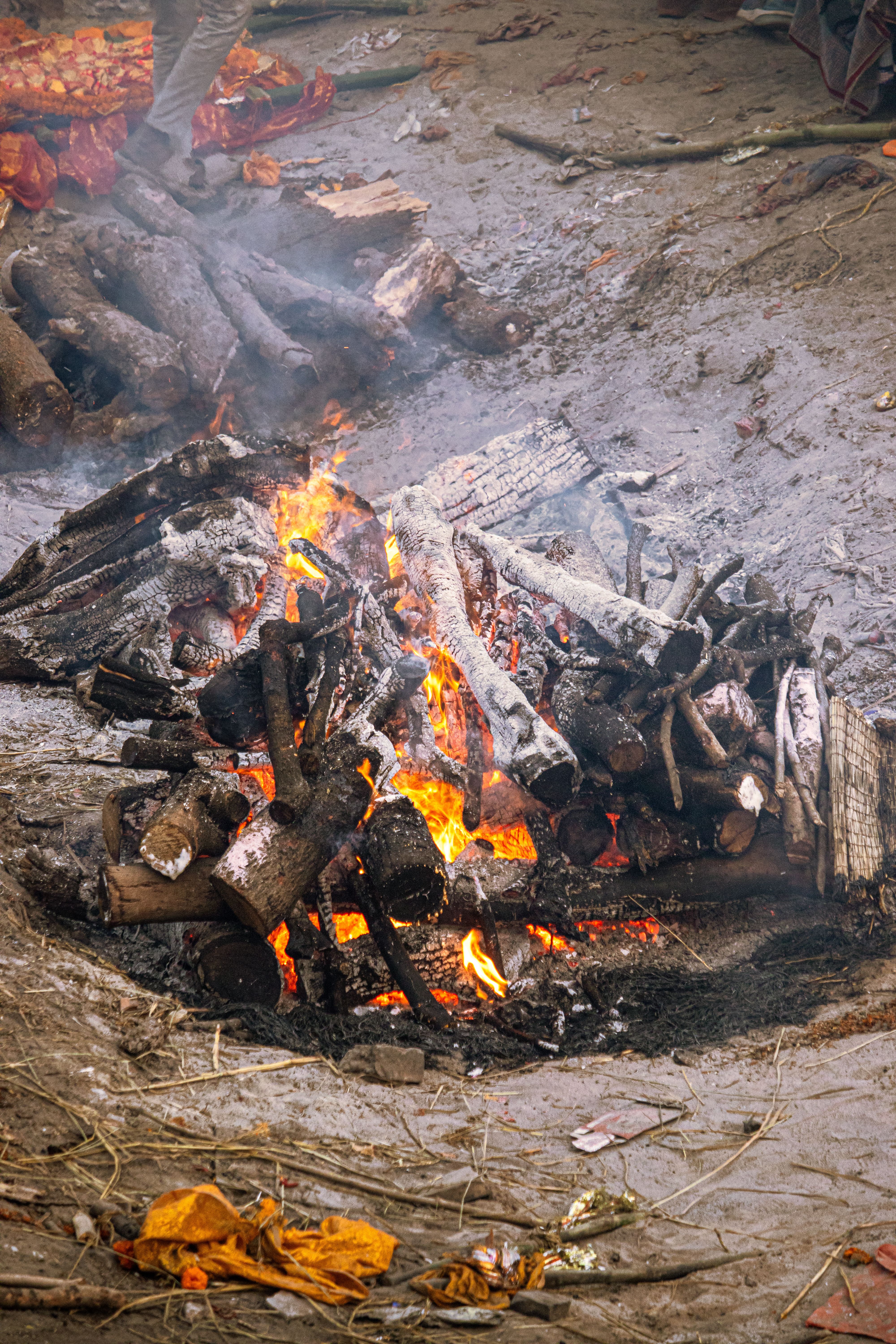
Cremation grounds are spiritually powerful places associated with death and departing souls (Image: Pexels)
3. The Role Of The Son In Last Rites
In many Hindu traditions, the eldest son has been expected to perform the last rites, as he is believed to help fulfil ancestral duties and pray for the peaceful journey of the departed soul. It was believed that if a girl performs the last rites, then the soul would not be free from the cycle of birth and death.
4. The Belief About Long Hair And Evil Forces
Another traditional belief suggests that women's long hair could attract negative or evil energies present around cremation grounds. It is believed that the evil element enters one's body through their hair. That is why, after the funeral rites, men shave their heads.
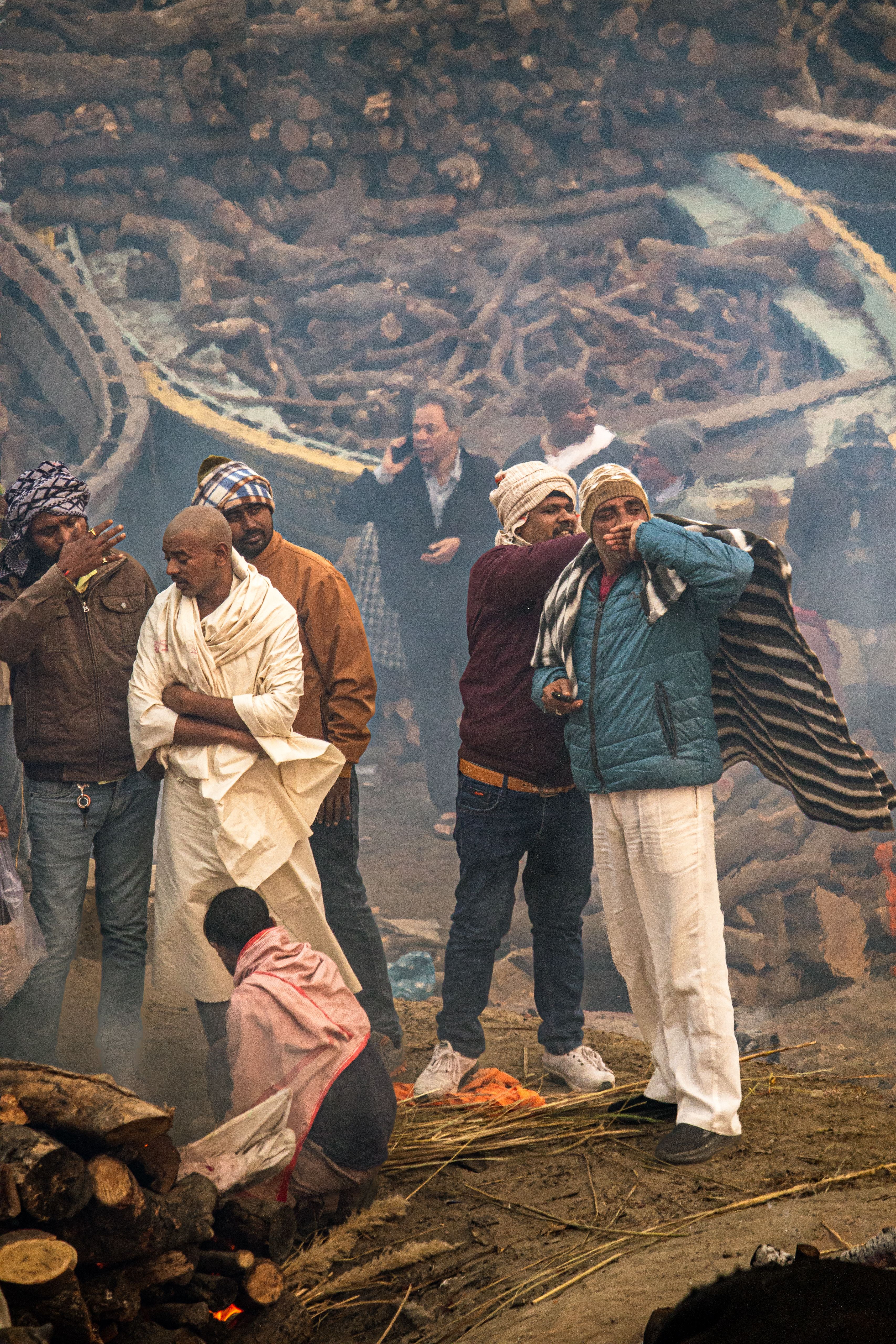
After the funeral rites, men shave their heads (Image: Pexels)
ALSO READ: Why Do Women Wear Green Bangles During Sawan? It’s Spiritual Reason Might Surprise You
The belief that women should not attend cremations is primarily a social and cultural tradition. However, times have changed. Many women now participate in the cremation process and even perform the last rites. Ultimately, these decisions often depend on family traditions, regional customs, and personal beliefs rather than a universal rule.