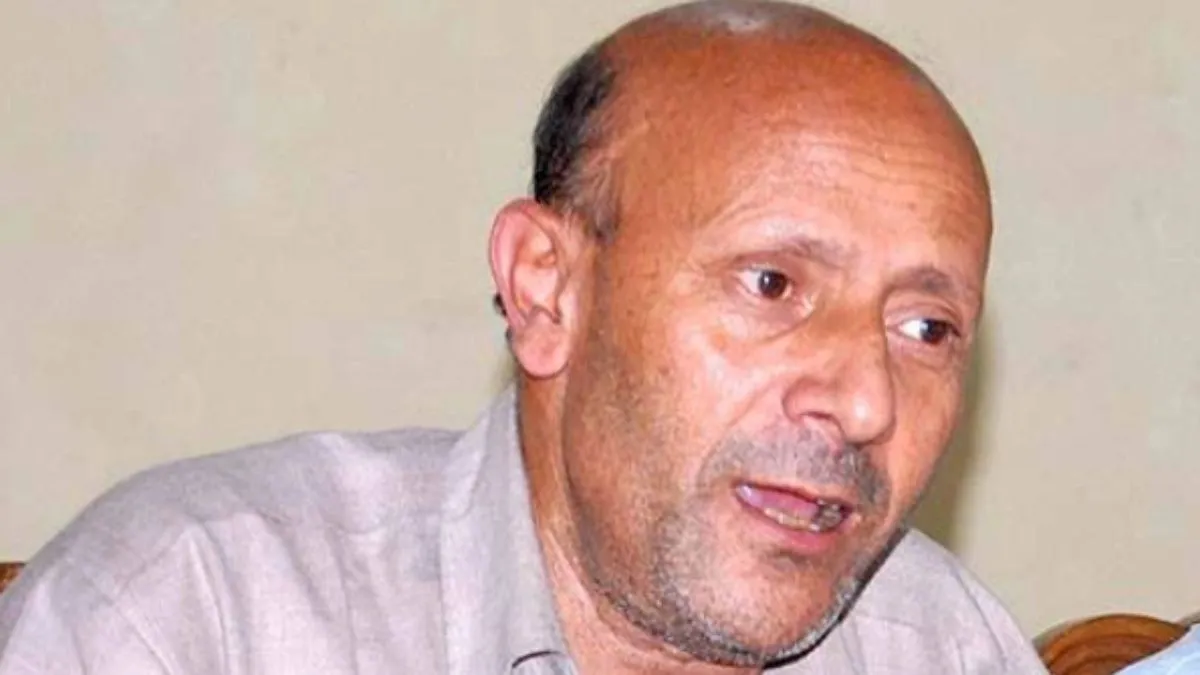
The National Investigation Agency (NIA) approved jailed Kashmiri leader Sheikh Abdul Rashid, also known as Engineer Rashid, to take his oath as a Member of Parliament on July 25. Additional Sessions Judge Chander Jit Singh will rule on Rashid's plea for interim bail or custody parole on Tuesday.
Engineer Rashid won the Baramulla Lok Sabha seat in the recently concluded general elections. He was arrested in connection with a 2017 Jammu and Kashmir terror funding case. He sought court permission to take his oath and perform parliamentary duties. The special court had previously adjourned the matter on June 22, directing the NIA to submit its response.
On Monday, the NIA's counsel stipulated that Rashid’s oath-taking should adhere to specific conditions, including a prohibition on speaking to the media. Additionally, Rashid is required to complete all formalities within a single day.
Rashid has been imprisoned since 2019 under charges filed by the NIA under the Unlawful Activities (Prevention) Act. He is currently held in Tihar Jail which prevented him from taking oath as MP along with other Parliamentarians.
Constitutional Provisions For Oath-Taking
The Indian Constitution allows an elected MP who is imprisoned to take their oath and fulfil parliamentary duties, with necessary permissions. Engineer Rashid has the right to take his oath as a Member of Parliament, similar to other elected officials. However, due to his imprisonment, he has to obtain permission for a day to take oath as an MP and to discharge his duties as a member of the House.
Recommended For You
ALSO READ: Arvind Kejriwal Arrest: Delhi CM Moves HC Challenging CBI Arrest In Excise Policy Case
Parliamentary Procedures
After taking his oath, Rashid must inform the Speaker of his inability to attend House sessions. The Speaker will refer this matter to the House Committee on Absence of Members, which will recommend whether he should be allowed to remain absent. The Speaker will then put this recommendation to a vote.
Meanwhile, if Engineer Rashid is convicted and sentenced to at least two years, he will lose his Lok Sabha seat immediately, as per a 2013 Supreme Court judgment. This judgment disqualifies convicted MPs and MLAs and invalidates Section 8(4) of the Representation of the People Act, which previously allowed a three-month appeal period.