- Pakistan minister condemns India's demand to ban Netflix show.
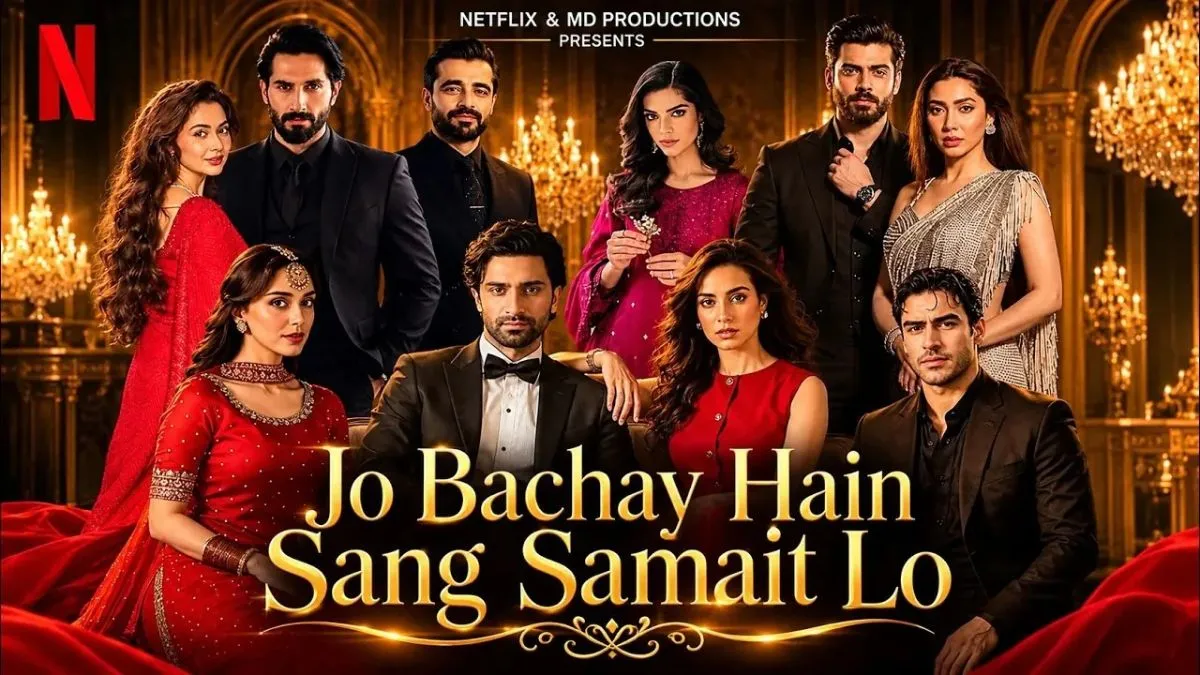
- "Jo Bachay Hain Sang Samait Lo" is Pakistan's first Netflix original.
- Minister advocates separating art and culture from politics.
Islamabad/Karachi: Pakistan planning minister Ahsan Iqbal on Wednesday pushed back against calls in India to block Netflix's first Pakistani show "Jo Bachay Hain Sang Samait Lo", calling it the weaponisation of art and culture. Two cine bodies -- All Indian Cine Workers Association (AICWA) and Federation of Western India Cine Employees (FWICE) -- in India have raised objections to the show, starring Fawad Khan, Sanan Saeed and Mahira Khan, after the release of its trailer.
Though there was no clarity on whether the show's December 4 release also includes India or only Pakistan and other countries, the two organisations have written letters to Prime Minister Narendra Modi and demanded a ban on it. In a post on X, Iqbal questioned why a cricket match should be treated as a political threat or a television drama as a national security concern. "First weaponising sports, then water, and now art and culture.
The All Indian Cine Workers Association is urging New Delhi to permanently ban Pakistani content. How insecure do you have to be to see a cricket match as a political threat and a television drama as a national security concern? India, grow up. "Let athletes play, let waters flow, let artists create, and let audiences decide what they watch," he wrote on X. The post was followed by the hashtag #GrowupIndia.
Recommended For You
In a separate post, the minister said the show, which is the first Pakistani original series from Netflix, marks a "significant milestone for Pakistan's drama industry and cultural exports". "Consistent policy focus on opening global streaming avenues, engaging with platforms like Netflix and Disney+, and aligning Pakistan with the MENA (Middle East and North Africa) content region is paving the way for our talent to reach worldwide audiences," he wrote.
His message drew support from several users on social media, who backed the call to keep art and entertainment separate from politics. Actor Ayesha Omer wrote, "Let athletes play, let waters flow, let artists create." Ajmal Jami, a popular Pakistani television anchor and reporter, echoed with the minister.
"First sports, then water, and now even art and culture are being banned! What kind of insecurity is behind the demand to ban Pakistani content? Fear of cricket, a threat from dramas? Let athletes play, let artists create, and let audiences decide what they want to watch."
The calls to ban "Jo Bachay Hain Sang Samait Lo" in India have also raised concerns in Pakistan's entertainment industry, which fears the Indian government could tighten restrictions on content originating from Pakistan, including its availability on platforms such as YouTube. Nadeem Mandviwalla, a well-known producer, distributor, exhibitor and cineplex owner, said the latest demand from India to ban the series on Netflix will decide the future of original Pakistani content on international streaming platforms.
ALSO READ: Pakistan Gets Its First Netflix Original Series; Know Cast, Storyline, Release Date And Others
Omair Alavi, a prominent film critic and podcaster, said the launch of Pakistani content on Netflix and other streaming platforms had made sections of India's entertainment industry feel threatened. "They have seen the huge popularity of some Pakistani dramas on Youtube more recently ''Dar-e-Nijat'', despite the thaw in cultural and arts relations and exchanges between the two countries," Alavi said.
Created, directed and produced by Momina Duraid, the series adapts Pakistani novelist Farhat Ishtiaq's 2013 bestselling Urdu novel of the same name. The title "Jo Bachay Hain Sang Samait Lo" translates to "All the Love Our Hearts Carry". The series follows six love stories and features some of the biggest names in Pakistan's entertainment industry, including Ahad Raza Mir, Iqra Aziz, Hania Aamir and Hamza Ali Abbasi. The show reunites actors familiar to Indian audiences, with Fawad and Mahira having previously starred together in "Humsafar", while Fawad and Sanam Saeed featured in "Zindagi Gulzar Hai" and "Barzakh".
The series, which has been eight years in the making, unveiled its trailer at Karachi's historic Mohatta Palace this week, with the cast in attendance.
Duraid, whose production house has produced some of the biggest drama hits in recent years including ''Humsafar'' and ''Zindagi Gulzar Hai'', said Netflix had given them a date for launch. "We had the trailer launch, and we are hoping all goes well as it is a big serial and we want it to be appreciated by audiences from around the world on the Netflix platform," she said.
After the Pahalgam terror attack in 2025, all cultural exchanges were banned, and the Pakistan government also banned the screening of Indian films in Pakistan cinemas. Mandviwalla said cine owners and distributors had lost a lot of revenue and business because of the ban but were somehow managing to keep the industry alive.
Following last year's conflict, the Indian government blocked access to content originating from Pakistan on YouTube in the country. The restriction, however, has seen an unofficial easing in recent months, with Pakistani dramas drawing considerable viewership in India. Several major production houses and television channels in Pakistan have since launched dedicated YouTube channels to stream their content.
Jamal Mir, who owns a top advertising and marketing agency, said if Netflix was forced to not make Pakistani content available to subscribers in India, it would be a big setback for the streaming services and for Pakistani creators. "Pakistani content requires Indian audiences to succeed and encourage streaming platforms to invest further in Pakistani content as people in both countries relate a lot in culture and art," said Mir, who runs the Prestige advertising agency.
The Pakistan government earlier this year launched an initiative titled "Uraan Pakistan" to expand visibility for Pakistani creators on global streaming platforms which have paid subscriptions in Pakistan.
(Note: Except for the headline, this story has not been edited by The Daily Jagran staff. Credit: PTI)