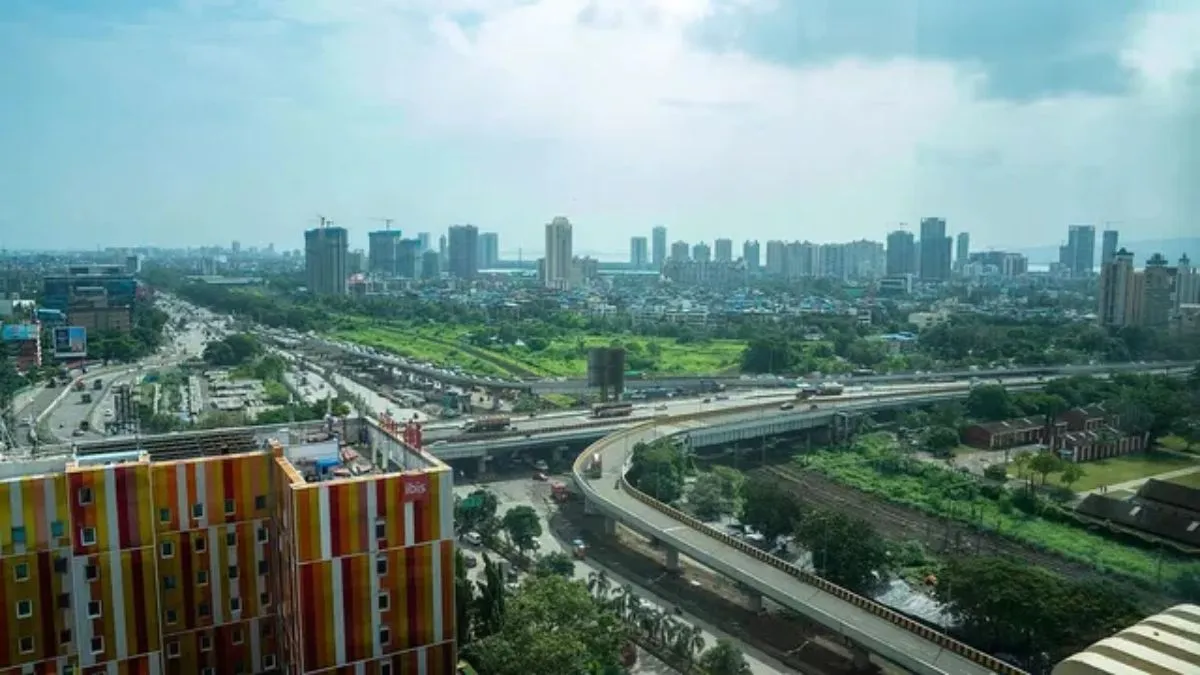
Navi Mumbai has ended Indore's eight-year run at the top of India's cleanliness rankings, emerging as the country's cleanest city in the Swachh Survekshan 2025-26. Surat secured the second position, followed by Vijayawada in third place, marking a change in the rankings of India's best-performing urban centres.
The latest edition of the annual cleanliness survey also recognised cities across different categories, including riverfronts, coastal towns and Himalayan regions. Rewa in Madhya Pradesh was named India's cleanest riverfront city, while Rudrapur topped the Himalayan city category.
Greater Visakhapatnam also secured recognition among cities with a population of over 10 lakh, while Ujjain featured among cities in the 3-10 lakh population category.
Why Indore Was Missing From The Main Rankings
Though Indore did not feature in the top three, it does not mean the city lost its cleanliness rank altogether. This year, the Centre has come up with a separate recognition system aimed at incentivising cities that scored better to mentor other urban local bodies.
As part of the newly launched 'Swachh Shehar Jodi' programme, Indore and Madhya Pradesh's Depalpur were ranked second in the Mentor City category. Ahmedabad and Sanand led in the category, while Tirupati and Kuppam stood third.
The initiative focuses on sharing sanitation practices and improving waste management through partnerships between cities. It brings together 70 mentor cities and 191 mentee cities across 33 states and Union Territories.
New Categories Expand India's Cleanliness Rankings
The 10th edition of Swachh Survekshan introduced additional recognition for riverfront towns, coastal towns and Himalayan cities, taking the assessment beyond conventional urban cleanliness rankings.
The category-wise winners included:
* Cleanest riverfront towns: Rewa (Madhya Pradesh), Bilaspur (Chhattisgarh) and Varanasi (Uttar Pradesh).
* Cleanest coastal towns: Puri (Odisha), Alappuzha (Kerala) and Ratnagiri (Maharashtra).
* Cleanest Himalayan cities: Rudrapur (Uttarakhand), Jammu and Shopian.
The Greater Visakhapatnam Municipal Corporation (GVMC) was ranked number one among cities with a population of more than 10 lakh, followed by Jabalpur and Lucknow.
In terms of population between 3 and 10 lakh, Ujjain was ranked first, followed by Chandigarh and Guntur in second and third place, respectively.
The New Delhi Municipal Council (NDMC) was ranked second among cities with a population ranging from 50,000 to 3 lakh. Dewas of Madhya Pradesh was first, while Sagar was third.
How Were Cities Evaluated In Swachh Survekshan 2025-26?
In the 10th edition of the survey, urban local bodies were graded across 43 indicators in 10 major categories, which were segregation, collection and transportation of waste; solid waste management; visible cleanliness; sanitation access; used water management; welfare of sanitation workers; and community participation.
Recommended For You
These were done on the ground by over 3,000 trained assessors, with real-time GPS-enabled monitoring, across the country, and the assessment process, from evidence upload to verification, was completely digital and had built-in quality checks.
The Ministry also highlighted improvements among cities participating in the mentor-mentee initiative between the 2024 and 2025 survey editions.
Some of the key improvements included:
* Visible cleanliness: Increased from 48 per cent to 70 per cent.
* Door-to-door waste collection: Improved from 52 per cent to 74 per cent.
* Source segregation: Increased from 16 per cent to 30 per cent.
* Access to sanitation: Improved from 11 per cent to 38 per cent.
* Used water management: Increased from 32 per cent to 53 per cent.
* Sanitation advocacy: Rose from 48 per cent to 66 per cent.
These figures reflect the combined progress of mentee cities and not the individual scores of Navi Mumbai or Indore.
Smaller Cities Also Make Significant Progress
The recent survey further witnessed movement in cities outside the top metro ranks. Over 350 Urban Local Bodies (ULBs) improved their rankings by more than 500 positions as compared to the previous edition of the survey, said the Ministry of Housing and Urban Affairs.
Moreover, 1,700-plus urban local bodies, with a population of fewer than 50,000, also enhanced their rankings.
President Droupadi Murmu presented the Swachh Survekshan 2025-26 awards at a ceremony held at Vigyan Bhawan in New Delhi on November 11. More than 4,700 urban local bodies participated in the annual cleanliness assessment.
The 2025-26 edition carried the theme 'Swachhata Ki Nayi Pehel, Badhayein Haath, Karein Safai Saath', highlighting collective participation and new approaches to urban cleanliness.